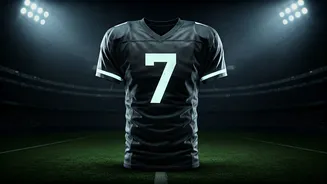






The Mystique of the Number 7
Historically, shirt numbers were assigned based on position, with the number 7 typically going to the right winger in formations like the classic 2-3-5. This position was often home to the team's most technically gifted and creative players. Over time,
as certain legendary players made the shirt their own, the number itself became a symbol of a particular kind of superstar: an individualist, a showman, and a match-winner. At clubs like Manchester United, the No. 7 holds a near-sacred status, passed down through generations of icons.
George Best: The Original Entertainer
Before the era of global branding, George Best was football's first celebrity superstar, and he made the No. 7 shirt synonymous with genius and glamour at Manchester United. The Belfast native was a winger with extraordinary dribbling ability, balance, and an eye for goal. He was instrumental in United's 1968 European Cup victory, a performance that helped him win the Ballon d'Or that same year. Though he wore other numbers, his most iconic moments came with 7 on his back, defining what it meant to be a game-changing attacker.
Kenny Dalglish: The King of the Kop
When Kenny Dalglish arrived at Liverpool in 1977, he was tasked with replacing a legend and immediately inherited the No. 7 shirt. He more than filled the void, becoming one of the greatest players in the club's history. Affectionately known as "King Kenny," Dalglish was a forward of immense intelligence and skill, leading Liverpool through their most dominant era. He won six league titles and three European Cups with the club, cementing the No. 7's legendary status at Anfield.
Eric Cantona: The Catalyst King
When Eric Cantona arrived at Manchester United in 1992, he didn't just take the No. 7 shirt; he transformed the club's destiny. With his collar up and chest out, the Frenchman brought an unparalleled swagger and creativity that kickstarted a period of dominance. Cantona won four Premier League titles in five years and is revered as the catalyst for Sir Alex Ferguson’s dynasty. He was an artist, an enigma, and for United fans, he was simply 'The King'.
David Beckham: The Global Icon
After Cantona's abrupt retirement, the No. 7 shirt at Manchester United was passed to David Beckham. He turned it into a global brand. Known for his incredible free-kicks, pinpoint crosses, and tireless work rate, Beckham was a key member of the famed 'Class of '92'. He helped United win a historic treble in 1999 and became the first English player to win league titles in four different countries. While his fame transcended football, his ability with a ball made him worthy of the iconic number.
Raúl González: The Bernabéu's Beloved Son
For 16 years, Raúl González was the heart and soul of Real Madrid, and for most of that time, the No. 7 was his. He was the club's all-time leading scorer until his record was broken by the next man on this list. A product of the club's youth system, Raúl was a born winner and an instinctive forward who led the line for the 'Galácticos'. He won three Champions League trophies, scoring in two finals, and became the eternal captain for the Madrid faithful.
Cristiano Ronaldo: The Ultimate No. 7
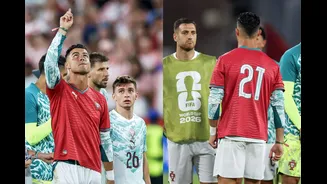
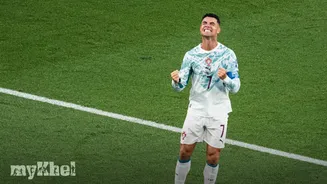
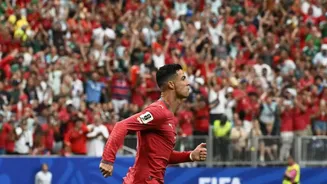
No player is more synonymous with a number than Cristiano Ronaldo is with 7. He has built a global brand, CR7, around it. Handed the shirt by Sir Alex Ferguson at Manchester United, he was initially hesitant but went on to build a phenomenal legacy. He evolved from a flashy winger into one of the most prolific goalscorers in history, winning five Ballon d'Or awards and five Champions League titles. From Manchester to Madrid, and beyond, Ronaldo has redefined what it means to be a modern No. 7, combining athleticism, dedication, and an insatiable hunger for goals.