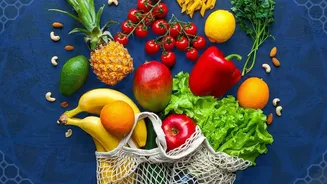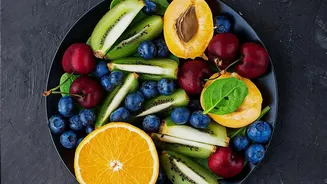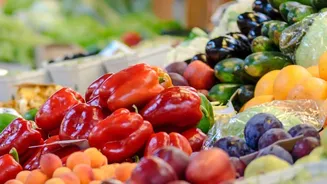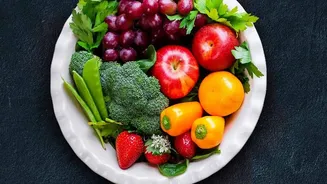







Sticking to a healthy eating plan can feel repetitive. But what if the secret to staying engaged lies not in a rigid diet, but in nature's own delicious calendar? Eating seasonally is the key to unlocking flavour, nutrition, and fun.
The Joy of Peak Flavour
The most compelling
reason to eat seasonally is the undeniable improvement in taste. Fruits that are picked at their peak ripeness are simply more delicious. A strawberry in winter, often picked under-ripe and shipped over long distances, can be watery and bland. In contrast, a summer strawberry is juicy, sweet, and bursting with flavour. The same goes for all produce. Fruits that ripen naturally on the vine or tree develop their full flavour profile, a complex sweetness and aroma that their out-of-season counterparts, which are often harvested early, simply cannot match. This peak flavour makes healthy eating a joy rather than a chore, encouraging you to look forward to your next fruity snack.
A Nutritional Powerhouse
When fruits are allowed to ripen naturally and are consumed shortly after being harvested, they are at their most nutrient-dense. The process of ripening builds up vitamins, minerals, and antioxidants. Produce that travels long distances starts to lose nutrients, especially delicate ones like vitamin C, from the moment it is picked. By choosing what's in season, you are often choosing what's local, which means less time in transit and more nutritional value on your plate. Eating a variety of fruits as the seasons change also diversifies your intake of essential nutrients and antioxidants, which can strengthen your immune system and support overall health.
India's Delicious Seasonal Calendar
India's diverse climate offers a vibrant fruit calendar throughout the year. Aligning your diet with it is an exciting culinary journey. Summer (March-June): This is the season of the magnificent mango, rightly called the 'king of fruits'. Alongside it, enjoy hydrating watermelons and muskmelons, sweet lychees, jamun, and bael (wood apple) to beat the heat. Monsoon (July-September): The rains bring a refreshing change with fruits like jamun (black plum), peaches, plums, and pears from the hill states. This is also a great time to enjoy cherries and the unique taste of custard apple (sitaphal) towards the end of the season. Winter (October-February): As the air cools, the markets fill with citrus. Juicy oranges and sweet limes (mosambi) are at their best, packed with immunity-boosting vitamin C. You'll also find an abundance of guava, pomegranate, amla (Indian gooseberry), apples, and luscious strawberries.
Friendlier to Your Wallet
One of the most practical benefits of eating seasonally is the cost savings. When a fruit is in season, it is abundant. This surplus supply naturally drives down prices at local markets and grocery stores. Conversely, buying produce out of season means you are paying a premium for the transportation, storage, and specialised growing conditions required to make it available, which can significantly increase your grocery bill. By aligning your fruit consumption with nature's rhythm, you can enjoy the freshest produce without straining your budget.
A More Sustainable Choice
Choosing seasonal fruits is also a vote for a healthier planet. Locally grown, seasonal produce has a smaller carbon footprint because it doesn't need to be transported across long distances. This reduction in 'food miles' means less fossil fuel consumption. Furthermore, out-of season produce may require energy intensive greenhouses or the use of more chemicals and preservatives to grow and travel. Supporting local farmers who grow seasonal crops also strengthens the local economy and fosters a closer connection to the food you eat.