



Build a Strong Foundation
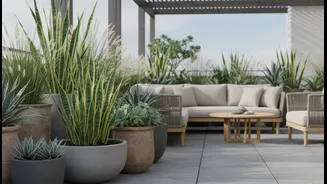
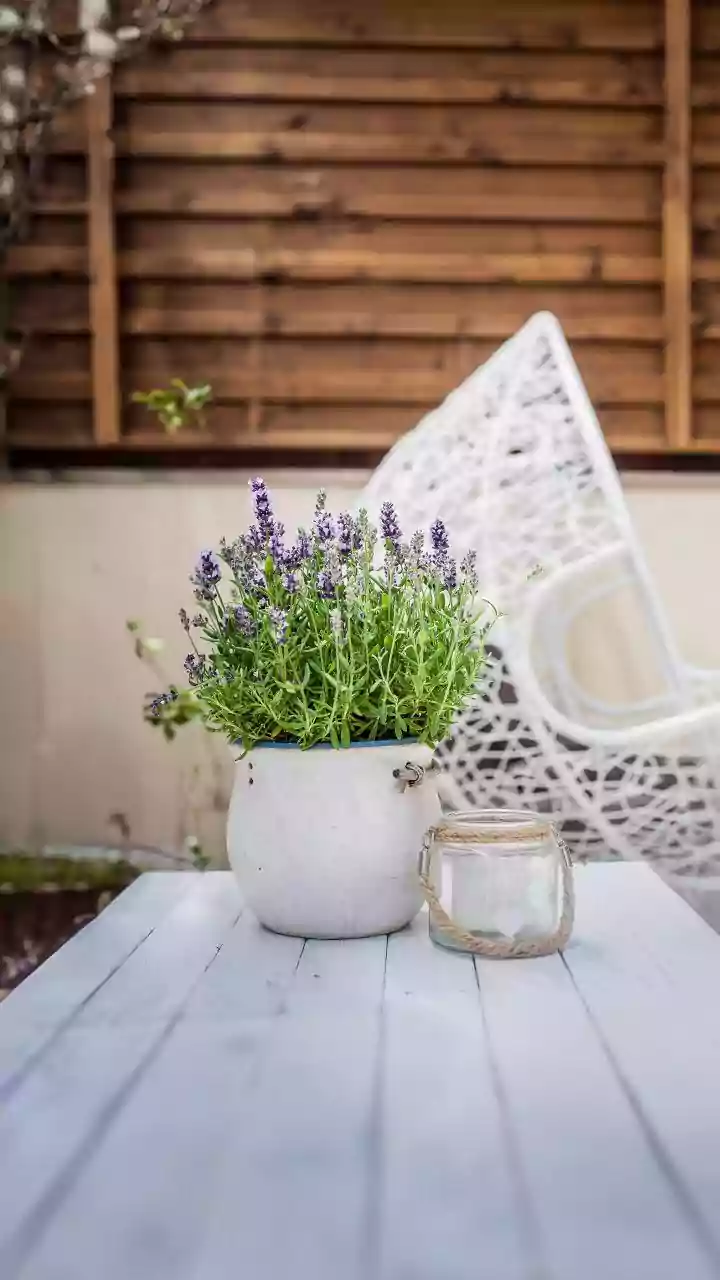
Before you start buying plants, think about their homes. The weight of pots, soil, and water can add up, so it's important to know what your terrace can handle. Lightweight containers made of plastic or fibre are often a better choice than heavy terracotta
or concrete pots. Also, ensure every container has drainage holes to prevent water from rotting the roots of your plants. Using a quality potting mix is crucial, as regular garden soil is too heavy and compact for containers. A good mix often contains cocopeat and vermicompost, which improves aeration and drainage while remaining light.
Choose Your Green Heroes
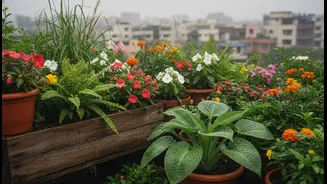
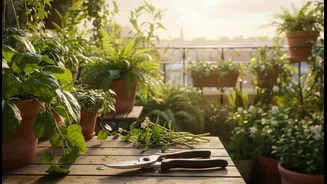
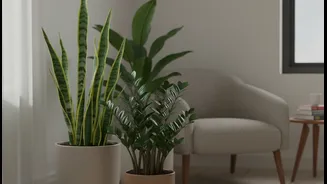
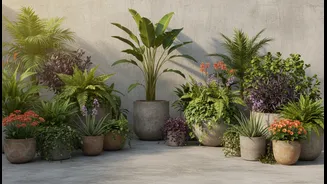
The key to a thriving terrace garden in India is choosing plants that can handle the specific conditions, including intense sun and heat. Heat-tolerant, low-maintenance plants are your best friends. Bougainvillea, hibiscus, and marigolds provide vibrant colour and love the sun. For reliable greenery, consider the Areca Palm, which adds a tropical feel, or the nearly indestructible snake plant. If you enjoy fresh flavours in your cooking, herbs like Tulsi (Holy Basil), mint, and lemongrass are easy to grow in pots and can be harvested year-round in many climates.
Think Vertically
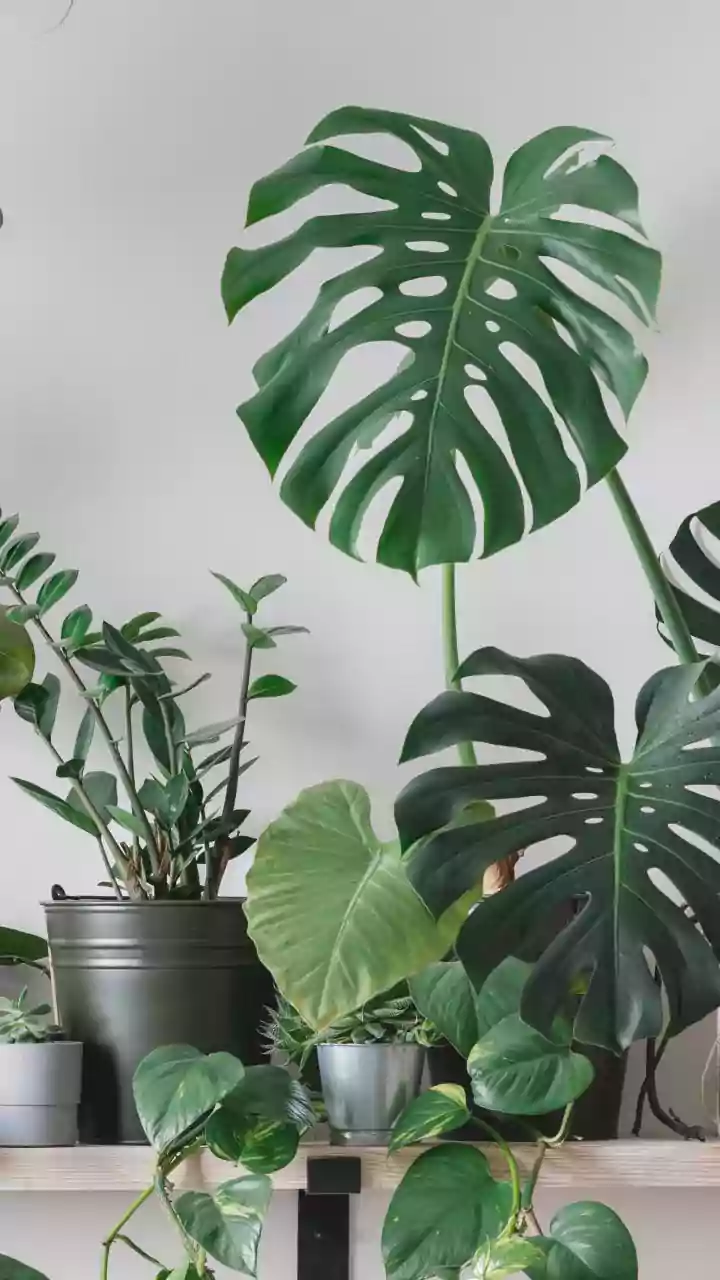
When floor space is limited, the only way to go is up. Vertical gardening is a fantastic way to maximize your green space without cluttering your terrace. You can mount trellises on a wall for climbing plants like money plant or jasmine, creating a living green backdrop. Railing planters are perfect for adding flowers or herbs without taking up any floor area. Other options like tiered plant stands and stackable planters allow you to display many plants in a small footprint, creating a lush, layered look.
Create a Layered Look
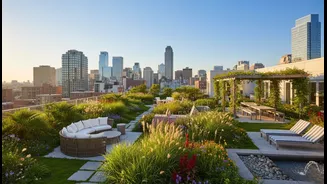
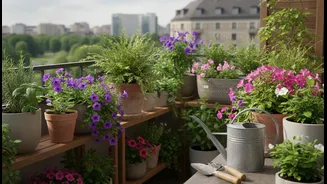
A truly inviting garden has depth and variety. To avoid a flat, one-dimensional look, use a mix of plants with different heights, textures, and leaf shapes. Place taller plants, like an Areca Palm or a dwarf fruit tree in a large pot, at the back or in corners to anchor the space. Use medium-sized shrubs and flowering plants like hibiscus or rose in the middle ground. Finally, let trailing plants like money plant or sweet potato vine cascade from hanging baskets or spill over the edges of pots. This technique of layering creates visual interest and makes the space feel more like a natural garden.
Soften the Floor
The hard grey of a concrete floor can be softened to enhance the green, oasis-like feel. One of the most effective ways to do this is by adding an outdoor rug. This not only adds a touch of comfort and style but also breaks up the large expanse of concrete. For a more permanent green floor, consider high-quality artificial grass. It can cover the entire area or a section of it, instantly transforming the look and feel of the terrace while requiring minimal maintenance. This creates a soft, green base that makes the entire space more inviting.
Smart Watering and Care
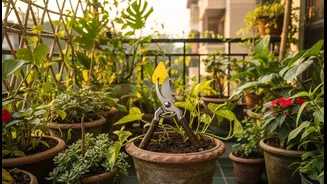
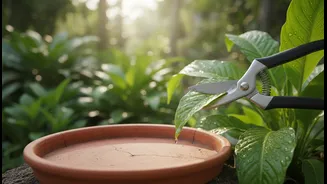
Plants on a windy, sunny terrace can dry out quickly. Check the soil regularly, especially during hot weather. It's often best to water in the early morning or late evening to reduce evaporation. For a large number of plants, a drip irrigation system can be a water-wise and time-saving solution. To keep your plants healthy and productive, apply an organic fertilizer every few weeks, as nutrients can wash out of containers with frequent watering. Also, remember to protect plants from extreme summer heat by using a green shade net if necessary.