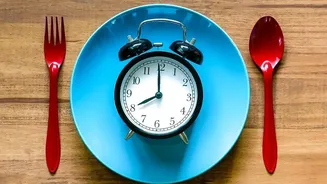







The Gut Has a Clock, Too
Our bodies run on an internal 24-hour cycle known as the circadian rhythm, which tells us when to sleep, wake, and eat. This master clock isn't just in our brain; nearly every organ, including our digestive system, follows its own daily schedule. During
the day, our gut is primed for action, ready to efficiently contract, release digestive enzymes, and process nutrients. However, at night, these processes naturally slow down as the body prepares for rest and repair. Working a night shift forces you to eat when your digestive system is in this low-power mode. This mismatch is a primary reason why shift workers are more likely to experience issues like bloating, acidity, constipation, and general discomfort. Studies show that digestive issues can affect a significant percentage of night shift workers, with some research indicating rates three to five times higher than those of day workers.
Hack 1: Make Your Pre-Shift Meal the Largest
Instead of a large meal in the middle of the night, treat your meal before work as your main 'dinner'. Eating a balanced, substantial meal one to two hours before your shift begins provides your body with sustained energy when its metabolic processes are still relatively active. This front-loads your calories, giving your digestive system a head start. A well-rounded pre-shift meal should include lean protein (like chicken, tofu, or lentils), complex carbohydrates (such as brown rice or whole-grain bread), and plenty of vegetables. This combination helps stabilize blood sugar and keeps you feeling full, reducing the temptation to reach for unhealthy snacks later in your shift.
Hack 2: Adopt a Time-Restricted Eating Window
One of the most effective strategies is to confine all your eating to a specific window, typically 8 to 10 hours. This practice, known as time-restricted eating (TRE), gives your digestive system a long, predictable break each day. For a shift worker, this might mean eating all your meals between 3 p.m. and 1 a.m., for example. Research suggests that avoiding food intake between midnight and 6 a.m. can be particularly beneficial, as this is when the body is least prepared to handle food. Studies on firefighters and other shift workers have shown that TRE can lead to improvements in blood pressure, blood sugar control, and other metabolic health markers. This consistent schedule helps your body adapt, preventing the constant grazing that can lead to indigestion.
Hack 3: Snack Smartly During Your Shift
If hunger strikes mid-shift, the goal is to have a light snack, not another full meal. Your digestive system is sluggish at night, so heavy, fried, or spicy foods can sit in the stomach, causing discomfort and disrupting sleep later. Instead, plan and pack easily digestible snacks. Excellent options include Greek yogurt, a hard-boiled egg, a small portion of soup, a handful of nuts, or fruit. Nutrition experts recommend options like poha or khichdi for those in India. Having healthy, homemade options on hand helps you avoid the temptation of vending machines filled with processed, sugary snacks that can cause energy crashes and further irritate your gut.
Hack 4: Hydrate Wisely and Time Your Caffeine
Dehydration can often be mistaken for hunger, leading to unnecessary snacking. Sipping water consistently throughout your shift is crucial for maintaining energy and alertness. However, be strategic about caffeine. While it can improve performance, its effects can linger for hours. As a general rule, avoid all caffeine for at least six to eight hours before you plan to sleep. Over-reliance on sugary drinks for an energy boost can also backfire, leading to blood sugar spikes and subsequent crashes. Stick to water or herbal teas for most of your shift to stay properly hydrated without interfering with your eventual rest.