

The Great Pre-Festive Cleanse
Before the colours and lights appear, the first step in preparing for Navratri is a thorough cleaning of the home. This ritual is more than just a domestic chore; it’s a symbolic act of purifying your space to welcome positive energy. Traditionally, it is believed
that Goddess Durga is pleased by homes that are clean and full of positive vibrations. This is the perfect time to declutter, remove broken items, and ensure every corner is spotless. A clean home not only feels refreshing but is considered essential for creating a sacred atmosphere for the nine days of worship and celebration.
Decorating with the Nine Auspicious Colours
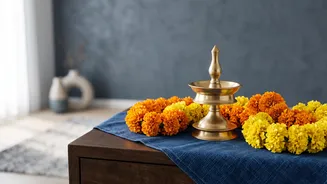
One of the most joyful traditions of Navratri is embracing the specific colour assigned to each of the nine days. In 2026, the sequence begins with Orange on October 11, followed by White, Red, Royal Blue, Yellow, Green, Grey, Purple, and finishing with Peacock Green. You don’t need a complete overhaul each day. Instead, you can introduce these colours through simple accents like cushion covers, throws, table runners, or festive wall hangings. For instance, use orange marigolds on day one, a white floral arrangement on day two, and red diyas or textiles on day three. This daily colour change keeps the decor dynamic and deeply connected to the festival's rhythm.
Illuminating Your Home with Light
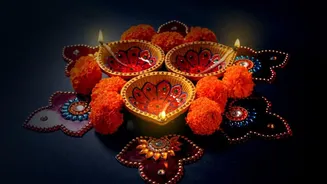
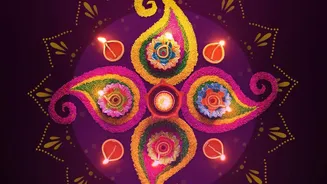
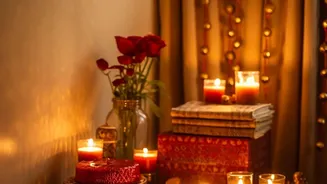
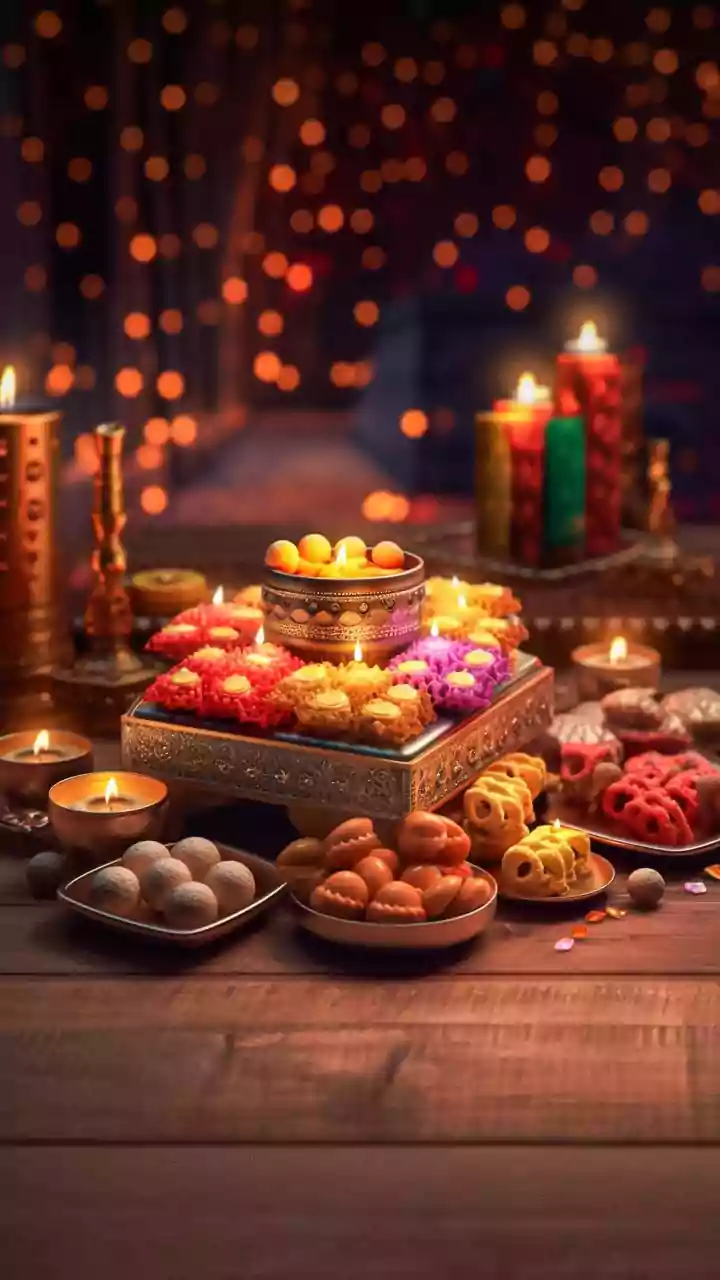
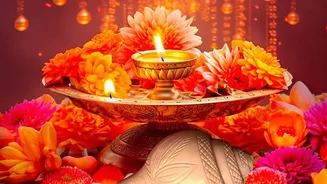
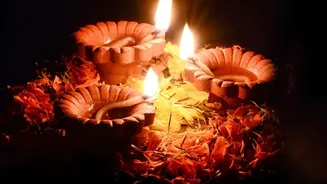
Light is a cornerstone of festive decor, symbolising the triumph of good over evil. Traditional clay diyas, whether plain or hand-painted, add a warm, earthy glow to the puja area, entrance, and balcony. Grouping diyas together can create beautiful points of focus. For a more modern and energy-efficient approach, warm-toned LED fairy lights can be draped around windows, backdrops, or indoor plants. Brass lamps and traditional lanterns also serve as elegant additions that enhance the festive ambience, especially during evening prayers and gatherings.
Embracing Traditional Flourishes
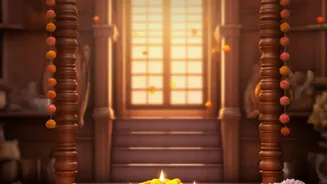
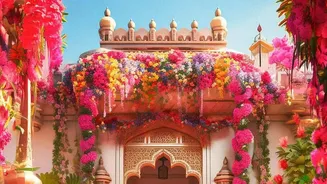
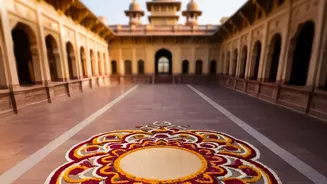
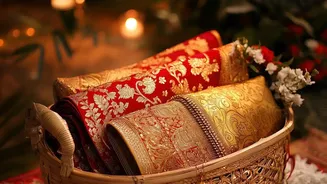
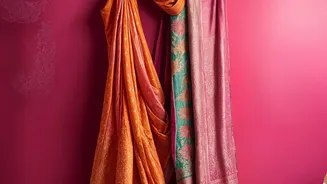
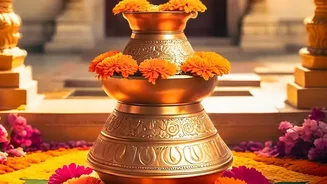
Traditional elements are what truly bring the festive spirit to life. A beautifully decorated entrance starts with a toran (door hanging) made of mango leaves and marigold flowers. Rangoli designs at the entrance are another must-have, created with coloured powders, rice flour, or flower petals. Inside, focus on the puja room or create a dedicated sacred corner. This space can be decorated with a decorated chowki, a backdrop made from a colourful saree or dupatta, and fresh flower garlands. An 'urli', a decorative bowl filled with water, flowers, and floating candles, makes for a stunning and serene centrepiece in the living room.
Making Sustainable Choices
Celebrating with consciousness is a growing trend, and Navratri is the perfect occasion to adopt eco-friendly practices. Instead of plastic decorations, opt for natural and biodegradable materials like clay, jute, and wood. Repurpose old glass jars into candle holders or use colourful dupattas and sarees as vibrant backdrops. For rangoli, use natural colours like turmeric, rice flour, and kumkum. Choosing earthen diyas over plastic lights and using fresh, locally sourced flowers helps reduce waste and supports local artisans, making your celebration both beautiful and responsible.