







The Numbers Behind the Squeeze
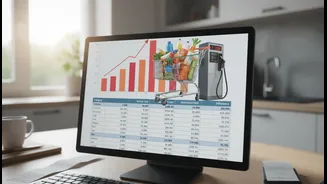
India's retail inflation, measured by the Consumer Price Index (CPI), accelerated to 4.38% in June 2026. This marks the first time in 17 months that the inflation rate has crossed the Reserve Bank of India's (RBI) medium-term target of 4%. While still
within the RBI's tolerance band of 2-6%, the upward trend from May's 3.93% figure shows that price pressures are building, particularly in categories that hit the common person the hardest. The data, released by the National Statistical Office, points to two main culprits: the food on our tables and the cost of getting around.
Your Grocery Bill Tells the Story
The most significant driver behind the recent spike is food inflation, which climbed to 5.32% in June. This isn't a uniform rise across all items. Certain kitchen staples have seen dramatic price jumps. For instance, the price of ginger surged by over 50% compared to last year, and tomatoes were up by nearly 32%. These increases are being driven by a combination of factors, including weather-related disruptions and uneven monsoon distribution, which affects agricultural output. Experts have noted that a steep rainfall deficit in June has put pressure on supplies. While some items like potatoes saw prices fall, the overall trend for the food basket was a sharp increase, hitting rural households particularly hard, where food inflation was higher than in urban centres.
The Rising Cost of Getting Around
The other half of the story is the rising cost of transport. Transport inflation jumped significantly to 4.31% in June, a sharp increase from the 1.7% to 1.75% range seen in May. This surge is directly linked to higher fuel prices. State-run oil marketing companies implemented price hikes in May, and the full effect of these was felt in June. Compounding this are global factors, including geopolitical tensions in the Middle East, which have kept international crude oil prices volatile and elevated. In major cities like Delhi, Mumbai, and Bengaluru, petrol prices remain well above the Rs 100 per litre mark, impacting daily commuters and adding to the operational costs for businesses that rely on transportation. This has a cascading effect, making everything from vegetable delivery to ride-hailing services more expensive.
Why This Matters for Your Wallet
For the average household, this dual inflation in food and transport creates a powerful squeeze on budgets. These are non-discretionary expenses—people must eat and commute to work—so rising prices in these categories mean less money is available for other needs like education, savings, or discretionary spending. The impact is felt most acutely by lower and middle-income families, for whom food and transport make up a larger percentage of their monthly expenditure. The data shows that rural inflation at 4.74% is already higher than urban inflation at 3.92%, indicating that price pressures are more severe outside of the main cities.
What's Next for the Economy?
With inflation now above its target, all eyes are on the RBI. The central bank had already raised its inflation forecast for the financial year to 5.1%. While economists don't expect an immediate interest rate hike in the upcoming August policy meeting, they will be watching these trends closely. A sustained period of high inflation could force the RBI to raise interest rates later in the year to cool down prices, which would make loans more expensive. The progress of the monsoon in July and August will be crucial, as good rainfall can help improve crop yields and bring down food prices. However, with ongoing global uncertainties and firm fuel prices, the pressure on household budgets is likely to remain a key economic story in the months ahead.