




The Secret to Fluffy, Non-Sticky Sabudana Khichdi
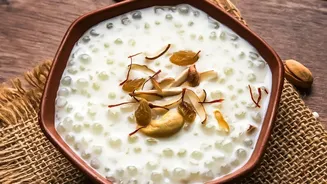
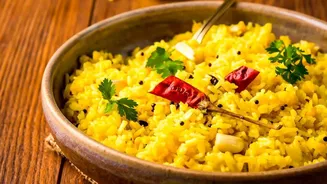
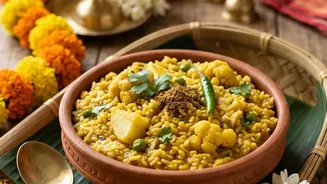
The most common complaint with Sabudana Khichdi is that it turns into a sticky, lumpy mess. The hack lies in how you prepare the sabudana (tapioca pearls) itself. First, rinse the sabudana under cold water multiple times until the water runs clear. This
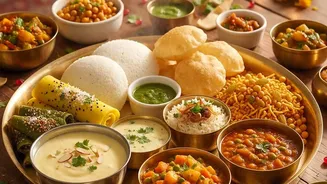
crucial step removes excess starch, which is the primary cause of stickiness. The next step is soaking. Use a wide, shallow bowl and add just enough water to cover the pearls, about a 1:1 ratio of sabudana to water. Let it soak for at least 3-4 hours, or until a pearl can be easily squashed between your thumb and finger. Before cooking, ensure all excess water is drained. When cooking, add roasted and coarsely crushed peanuts to the soaked sabudana; the peanut powder helps absorb any remaining moisture and keeps the pearls separate. Sauté your potatoes and spices first, then add the sabudana mixture and cook gently only until the pearls turn translucent, avoiding overcooking.
Hack Your Way to Soft Kuttu Puris
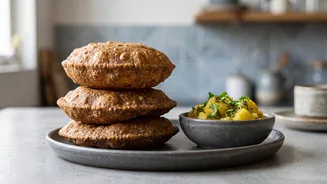
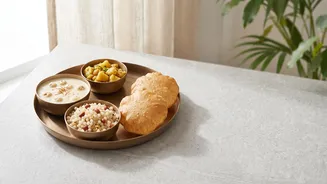
Kuttu (buckwheat) flour is gluten-free, which can make puris dense, hard, or prone to absorbing too much oil. The game-changing hack is to use a binding agent. Boiled and mashed potato is the perfect addition to the dough. The starch from the potato helps bind the flour, resulting in a puri that is soft on the inside with a delightful crispness on the outside. When making the dough, combine the kuttu atta, mashed potato, sendha namak (rock salt), and spices like cumin. Add warm water gradually to form a medium-soft, pliable dough. Letting the dough rest for about 15 minutes is another important step; this allows the flour to hydrate properly, making the puris easier to roll and less likely to break. To prevent the dough from sticking while rolling, you can grease your palms and the rolling surface with a little oil or ghee instead of using dry flour. Fry in medium-hot oil, and gently press the puri with a slotted spoon to help it puff up beautifully.
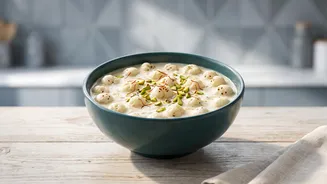
Upgrade Your Makhana Kheer for Creaminess and Nutrition
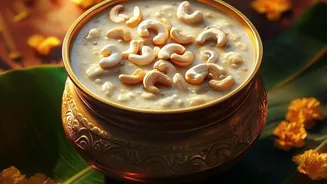
Makhana (fox nut) Kheer is a fasting favourite, but it can sometimes be thin or overly sweet. To achieve a naturally creamy, rabri-like texture without relying on condensed milk, try this simple hack. After roasting the makhana in ghee until crisp, set a small portion aside. Take the larger portion and crush it coarsely in a blender or with a rolling pin. This coarse powder is the secret ingredient. When you add both the whole and the crushed makhana to simmering milk, the powdered bits dissolve slightly, thickening the kheer naturally and creating a luxurious texture. For a richer flavour and more energy, use full-fat milk and consider adding a pinch of saffron soaked in warm milk. Instead of loading it with sugar, which can cause energy crashes, use jaggery or dates for a more natural sweetness. Finish by adding roasted nuts like almonds and cashews for a healthy crunch and an extra dose of protein and good fats.
General Tips for an Energetic Fast
Beyond specific recipes, how you approach your fasting diet makes a huge difference. Instead of one or two large, heavy meals, eat smaller portions more frequently throughout the day to maintain stable energy levels. Prioritise hydration by drinking plenty of water, coconut water, or buttermilk. Dehydration is often mistaken for fatigue or hunger. Balance your meals by pairing carbohydrates like sabudana or potatoes with protein and healthy fats. For example, have sabudana khichdi with peanuts and a side of yogurt. This combination slows digestion and prevents the energy spikes and crashes associated with high-carb meals. Also, try to rotate your ingredients. Instead of relying only on potatoes and sabudana, incorporate other permitted foods like sweet potato, pumpkin, rajgira (amaranth) flour, and plenty of fruits and nuts to ensure a wider range of nutrients. Finally, opt for healthier cooking methods like roasting, steaming, or air-frying instead of deep-frying to keep meals light and easy to digest.