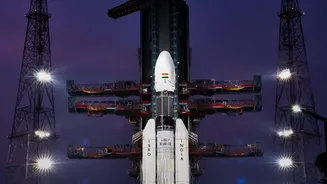




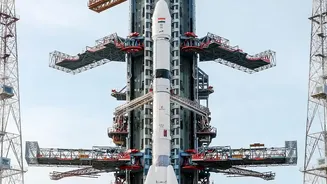
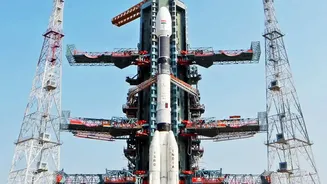
A Major Policy Shift
In early 2024, the Indian government announced significant amendments to its FDI policy for the space sector, a move designed to attract global investors and accelerate growth. Previously, foreign investment in satellite establishment and operation was
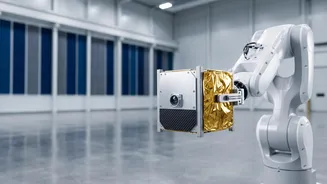
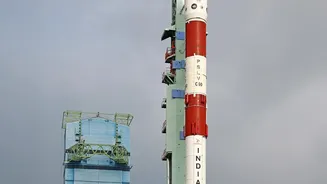
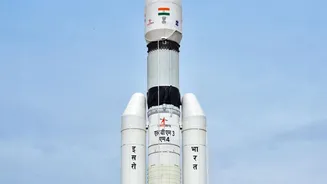
permitted only through the government approval route, a process often seen as a deterrent due to potential delays. The new framework creates a tiered system with more liberalised 'automatic routes'. Now, up to 100% FDI is allowed for manufacturing components and systems for satellites and ground segments. For satellite manufacturing and operations, the automatic route is open for up to 74% FDI. For launch vehicles and the creation of spaceports, the cap for automatic approval is set at 49%. Investments beyond these automatic thresholds still require government approval, striking a balance between attracting foreign capital and addressing national security considerations.
Fueling the Launch with Fresh Capital
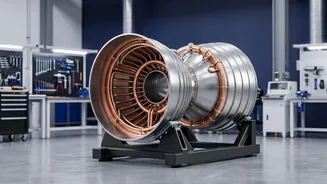
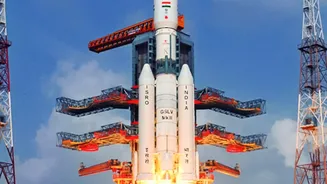
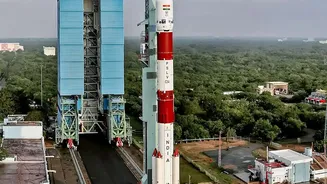
The most immediate impact of these reforms is the potential for a massive influx of funding. India's space economy, currently a fraction of the global total, has ambitious growth targets, aiming to significantly increase its market share by the next decade. However, space exploration is a capital-intensive industry. Startups like Skyroot Aerospace, which is developing the Vikram series of launch vehicles, and Agnikul Cosmos, known for its 3D-printed rocket engines, require substantial, long-term investment. The easier FDI norms provide these companies with access to a much larger global pool of capital. This funding is critical not just for research and development, but for scaling up manufacturing, conducting tests, and eventually achieving commercial launch capability. The streamlined automatic approval process eliminates bureaucratic hurdles, making Indian space startups more attractive to foreign venture capitalists and strategic investors.
Beyond Capital: Technology and Expertise
While money is crucial, the benefits of increased FDI extend far beyond financial resources. Foreign investment often brings with it advanced technology, niche expertise, and established global supply chains. By partnering with international aerospace giants, Indian companies can accelerate their learning curve, adopt world-class manufacturing standards, and gain access to technologies that would take years to develop indigenously. This collaboration can be particularly beneficial in areas like cryogenics, advanced materials, and satellite communication systems. The policy is designed to foster an ecosystem where Indian firms can become global players, not just suppliers to the Indian Space Research Organisation (ISRO). This transfer of technology and know-how is vital for the long-term competitiveness and self-sufficiency of India's space industry.
New Orbits for Indian Startups
With over 200 space-tech startups now active in the country, the policy changes create distinct opportunities across different sub-sectors. Companies focused on manufacturing satellite components are the biggest beneficiaries, with a clear path to 100% foreign ownership. This could turn India into a global hub for space component manufacturing. Satellite builders and operators like Pixxel, which focuses on earth-observation constellations, can now secure larger funding rounds to build and launch more satellites. For launch vehicle developers, the 49% automatic cap provides significant room for foreign partnership while ensuring Indian control over sensitive launch technologies, a key national security consideration. This entire ecosystem is supervised by IN-SPACe, the agency created to promote and authorise private space activities, ensuring a structured and regulated expansion.