


The Invisible Intruder: Indoor Air Pollution
We often worry about outdoor pollution, but the air inside our homes can be just as compromised. Many everyday items release Volatile Organic Compounds (VOCs), which are gases emitted from solids or liquids. Common sources include paint, varnishes, new
furniture, cleaning products, and even pressed-wood cabinetry. Chemicals like formaldehyde, benzene, and xylene are frequently found in indoor environments and can off-gas for years. While modern, well-sealed homes are great for energy efficiency, they can also trap these pollutants inside, leading to higher concentrations than outdoors. This is where the idea of using nature to fight back comes into play.
The Science: Can Plants Really Clean the Air?
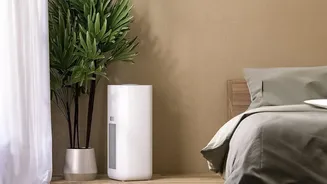
The idea that houseplants can purify indoor air gained popularity from a 1989 NASA study. The research showed that in a sealed, controlled chamber, plants could remove VOCs like formaldehyde and benzene from the air. However, it's crucial to understand the context. Our homes are not sealed labs; they have natural ventilation and constantly changing conditions. More recent analysis has concluded that you would need an enormous number of plants—sometimes hundreds—to match the air-cleaning effect of simply opening a window or using a mechanical air purifier. But this doesn't mean plants are useless. A fascinating discovery is that it's not just the leaves at work; the microorganisms in the soil around the plant's roots also play a significant role in breaking down pollutants. While they aren't a substitute for good ventilation, they are a valuable part of a holistic approach to a healthier home environment.
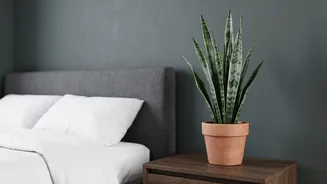
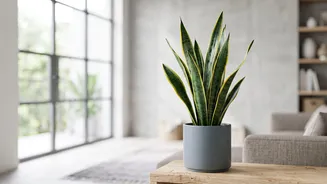
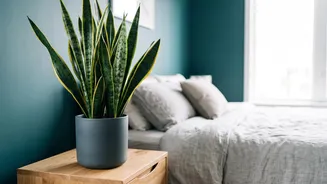
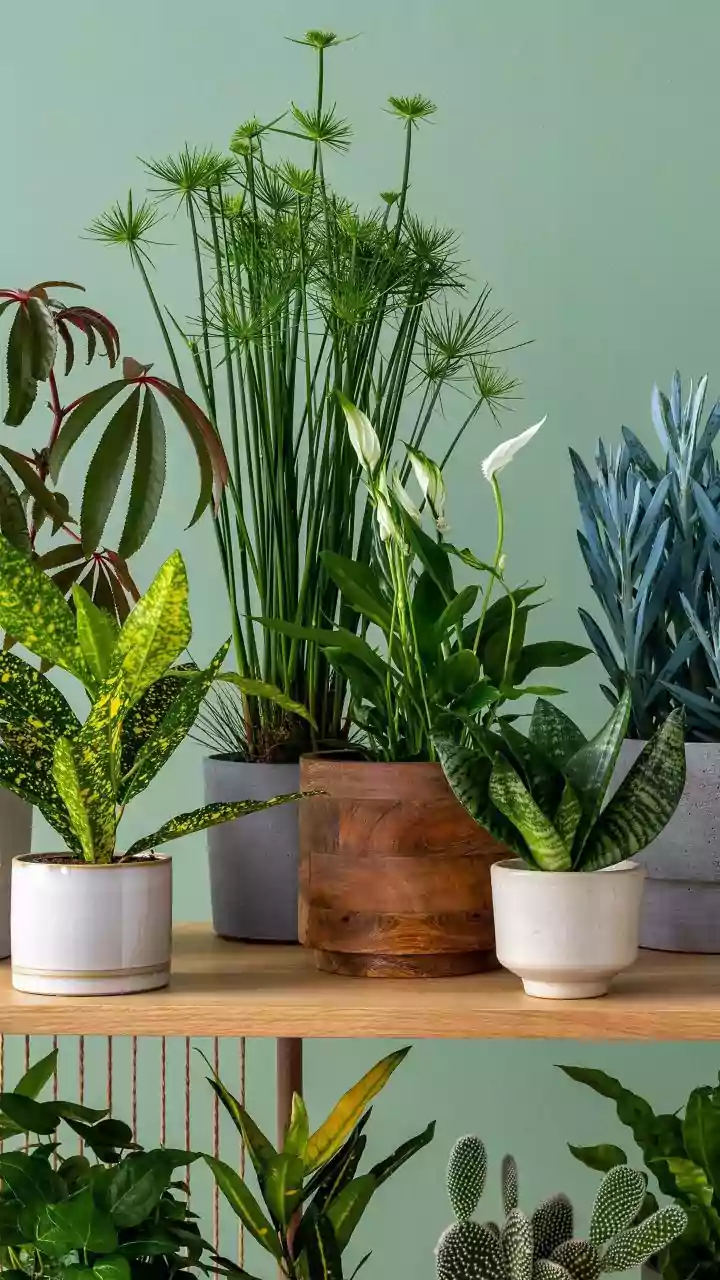
Snake Plant (Sansevieria trifasciata)
Often called Mother-in-Law's Tongue, the Snake Plant is one of the hardiest and most low-maintenance houseplants you can find. It is celebrated for its ability to filter chemicals like formaldehyde, benzene, xylene, and toluene. What makes it particularly suited for the bedroom is its unique ability to perform a type of photosynthesis that allows it to release oxygen at night, whereas most plants do so during the day. This resilient plant thrives on neglect, tolerating low light and infrequent watering, making it a perfect choice for beginners and busy homeowners alike.
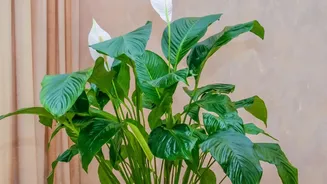
Peace Lily (Spathiphyllum)
The Peace Lily is a powerhouse, known for its ability to remove a wide range of VOCs, including ammonia, formaldehyde, and benzene. Its elegant white blooms and deep green leaves make it a beautiful addition to any room. This plant is also great at communicating its needs; its leaves will visibly droop when it's thirsty, taking the guesswork out of watering. It prefers shady spots and consistently moist soil to flourish. One important note for households with pets or small children: the Peace Lily is toxic if ingested, so it should be placed out of reach.
Spider Plant (Chlorophytum comosum)
The Spider Plant is another champion of air purification that is famously easy to grow. It's particularly effective at removing formaldehyde and xylene from the air. Recognizable by its arching leaves and the small 'spiderettes' that dangle from the mother plant, it's a prolific grower that's simple to propagate. Spider Plants are adaptable and thrive in indirect sunlight. They are also non-toxic, making them a safe choice for homes with curious pets and children.
Areca Palm (Chrysalidocarpus lutescens)
If you're looking to add a tropical feel to your bedroom, the Areca Palm is an excellent choice. It is effective at filtering pollutants like benzene, formaldehyde, and trichloroethylene. Beyond cleaning the air, this plant also acts as a natural humidifier, releasing moisture into the atmosphere, which can be particularly beneficial during dry winter months. The Areca Palm prefers bright, filtered light and moist, well-drained soil to look its best. It's also non-toxic, adding to its appeal for family homes.