



What is Sumac?
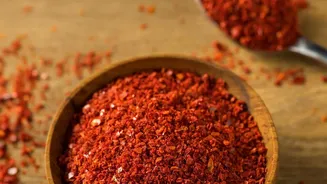
Sumac is a spice made from the dried and ground berries of the wild sumac bush, specifically the Rhus coriaria variety, which is a relative of the cashew family. For centuries, it has been a cornerstone of Middle Eastern and Mediterranean cooking. The
berries are harvested, dried, and crushed to create a coarse powder with a stunning deep red or burgundy colour. Its defining characteristic is its flavour: a bright, tart, and fruity tang that is often compared to lemon. However, unlike lemon juice, sumac provides acidity without adding any liquid, which makes it incredibly versatile. It delivers a sour punch that is balanced and less sharp than citrus, with subtle earthy undertones.
Perfect for Zesty Marinades
One of sumac's greatest strengths is its role in marinades, especially for meats like chicken, lamb, and fish. Its acidity not only imparts a zesty flavour but also helps to tenderize the meat. The tangy profile of sumac is particularly effective at cutting through the richness of fattier cuts. A simple yet powerful marinade can be created by combining sumac with olive oil, crushed garlic, salt, and other complementary spices like coriander and allspice. For a classic Middle Eastern-inspired chicken marinade, whisk together olive oil, lemon juice, sumac, Aleppo pepper, coriander, and allspice. Coat chicken pieces thoroughly and let them marinate for at least an hour, or overnight for a deeper flavour, before grilling or roasting.
Elevate Your Salad Dressings
Sumac is a game-changer for homemade salad dressings. It can be used to complement or even replace vinegar or lemon juice, adding its signature bright tang. For a simple vinaigrette, just whisk sumac with olive oil, red wine vinegar, and a touch of salt. Many recipes also incorporate a bit of Dijon mustard or honey to help emulsify the dressing and balance the flavours. Sumac is the essential ingredient in the dressing for Fattoush, a popular Levantine bread salad. It also works wonderfully in creamy, yogurt-based dressings. Simply mixing sumac into plain yogurt with a squeeze of lemon juice and a pinch of salt creates a refreshing and tangy sauce perfect for salads, grilled vegetables, or as a dip.
Create Dynamic Dry Rubs
Because sumac provides acidity without moisture, it's an ideal component for dry rubs. It adds a bright, citrusy note that balances the deeper, earthier flavours of other spices commonly used in rubs, such as cumin, paprika, and garlic powder. A fantastic dry rub for grilled chicken or lamb can be made by mixing sumac with salt, black pepper, garlic powder, and lemon zest. This mixture can be rubbed all over the meat, getting under the skin where possible, before grilling or roasting. The sumac not only flavours the meat but also contributes to a beautiful, colourful crust.
Beyond the Basics
The uses for sumac don't stop there. It's a key ingredient in the popular Middle Eastern spice blend za'atar, which also includes thyme and sesame seeds. As a finishing spice, a sprinkle of sumac can brighten up almost any dish just before serving. Try it over hummus, avocado toast, roasted vegetables, or even fried eggs. In many parts of the Middle East, it's used as a table condiment, much like salt and pepper, allowing everyone to add a final dash of tangy flavour to their meal. Its ability to pair with everything from savoury meats to fresh vegetables makes it a truly essential and exciting addition to any home cook's pantry.