



Decoding 'Root-Bound'
A plant becomes root-bound, or pot-bound, when its root system has completely outgrown its container. With no more space to expand, the roots start growing in tight circles, pressing against the inside of the pot. Over time, this creates a dense, tangled
mass of roots that displaces the soil. This is a problem because there is very little soil left to hold water and provide essential nutrients, which can effectively strangle the plant by restricting its ability to feed and hydrate itself.
Beyond Water: The Telltale Signs
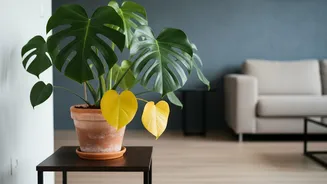
The water-draining-straight-through symptom is a classic indicator, but it’s not the only one. Other signs that your plant needs more space include slowed or stunted growth, yellowing or browning leaves (especially lower ones), and roots visibly poking out of the drainage holes at the bottom or even pushing up above the soil surface. If your plant seems to wilt quickly or you have to water it far more frequently than you used to, it's a strong hint that the roots have taken over the pot, leaving little soil to retain moisture. The surest way to know is to gently slide the plant out of its pot; a solid mass of circling roots confirms your suspicion.
Your Step-by-Step Rescue Mission
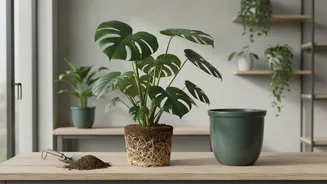
Fixing a root-bound plant is less daunting than it sounds and can give your plant a new lease on life. First, gently remove the plant from its current pot. If it's stuck, try squeezing the sides of a flexible pot or running a knife around the inner edge of a rigid one. Once it’s out, inspect the root ball. You need to 'tease' or loosen the tightly coiled roots to encourage them to grow outwards into the new soil. Gently massage the root ball with your fingers to untangle the outer roots. For very dense root balls, don't be afraid to make a few shallow, vertical cuts (1-2 cm deep) down the sides with a clean, sharp knife to break up the circling pattern. This feels dramatic, but it's crucial for encouraging new, healthy growth.
Choosing its New Home
Selecting the right pot is key. A common mistake is going too big, which can lead to the soil staying wet for too long and causing root rot. As a general rule, choose a new pot that is only about 1 to 2 inches larger in diameter than the old one. This provides enough fresh space for roots to grow without overwhelming the plant. Most importantly, ensure the new pot has adequate drainage holes at the bottom. Without drainage, water will accumulate and drown the roots. Place a layer of fresh, appropriate potting mix in the bottom of the new pot, set the plant in the center, and fill in around the sides, gently firming the soil but not packing it down too tightly.
Aftercare and Recovery
After repotting, your plant will experience a brief period of 'transplant shock' as it adjusts. Give it a thorough watering right after repotting to help the soil settle around the roots. Then, place it in a spot with indirect light for a few days to reduce stress. Hold off on fertilizing for at least a month; the fresh potting mix contains all the nutrients the plant needs to get established, and adding more can burn the sensitive, recovering roots. Water only when the soil begins to dry out, as the plant’s water uptake might be reduced initially. Within a few weeks, you should see signs of happy new growth.
Not All Plants Mind a Tight Squeeze
While being severely root-bound is detrimental for most plants, some species actually thrive or flower better when their roots are a bit snug. These include popular houseplants like Spider Plants, Snake Plants, Peace Lilies, Jade Plants, and Hoyas. For these varieties, you can afford to be more patient between repottings. However, even these plants will eventually need a larger home when their growth slows or they show signs of distress. The key is observation; let your plant’s health and vitality be your ultimate guide.