

What Exactly Is El Niño?
El Niño, which is Spanish for ‘the little boy,’ is a natural climate pattern, not a single storm. It’s the warm phase of a larger phenomenon called the El Niño-Southern Oscillation (ENSO). Normally, trade winds push warm surface water in the Pacific Ocean
from east to west, from South America towards Asia. During an El Niño, these winds weaken or even reverse. This allows a huge mass of warm water to shift eastward, toward the west coast of the Americas. This colossal displacement of ocean heat alters atmospheric pressure and redirects the powerful jet streams that circle the globe, changing temperature and rainfall patterns for months, or even years. These events occur irregularly, typically every two to seven years.
Why This El Niño Is So Strong
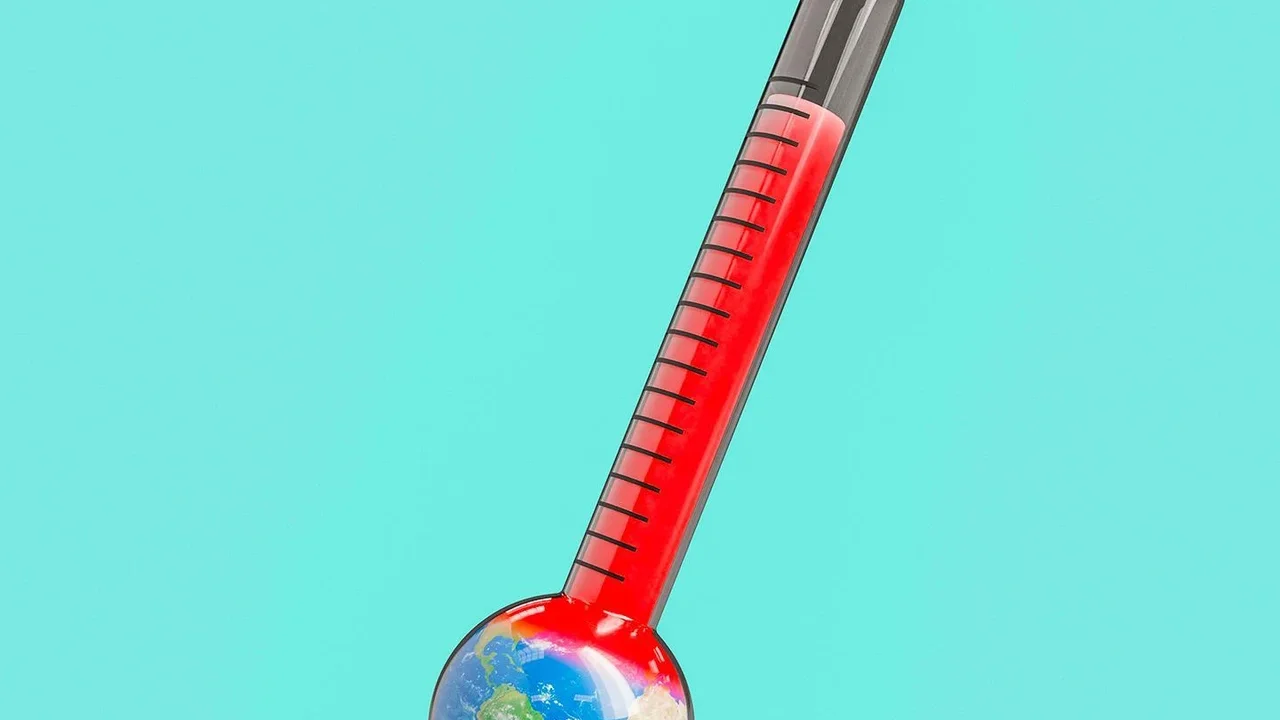
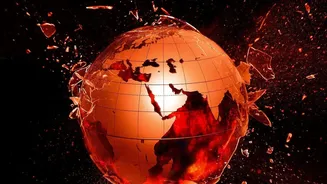
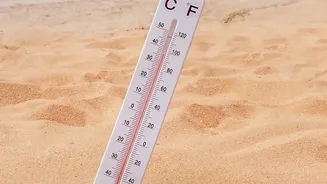
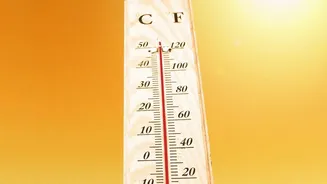
Not all El Niños are created equal. The current 2026-2027 event is tracking as one of the most powerful on record. Scientists at organisations like the World Meteorological Organization (WMO) and the U.S. National Oceanic and Atmospheric Administration (NOAA) are forecasting that it will be a 'very strong' event, with a significant chance of it becoming the strongest since record-keeping began in 1950. Forecasts suggest that sea surface temperatures in the key monitoring region of the Pacific could reach more than 3°C above average, a massive deviation. This event is intensifying on top of existing global warming, which can amplify El Niño's effects, making heatwaves hotter and droughts drier. The WMO has confirmed the El Niño is expected to peak around December 2026 and persist into early 2027.
Potential Impacts on India
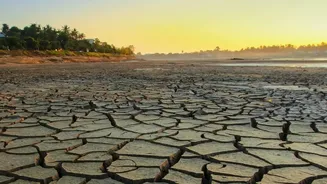
For India, a strong El Niño is often a cause for concern. It is historically associated with weaker monsoon rainfall, which is the lifeblood of the country's agriculture. A powerful El Niño can increase the risk of drought conditions, particularly across northern India. This could lead to lower crop yields, reduced water levels in reservoirs, and higher food prices. Beyond the monsoon, experts warn that its effects could linger into 2027, potentially bringing an unusually warm pre-monsoon season and more intense heatwaves. However, officials note that El Niño is not the only factor; other climate patterns like the Indian Ocean Dipole also play a crucial role in shaping India's weather. Encouragingly, some forecasts suggest a transition to La Niña—El Niño's cooler counterpart—could occur in time for the 2027 monsoon, potentially bringing increased rainfall.
A World of Weather Extremes
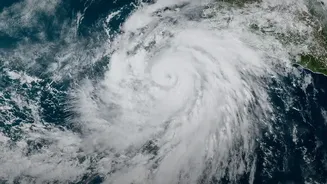
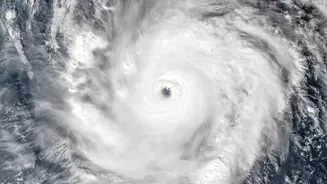
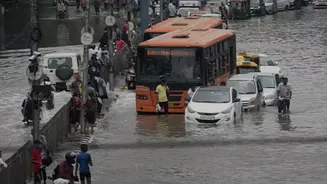
The impacts are truly global. While India may face drier conditions, other regions face the opposite threat. South America, particularly coastal Peru and Ecuador, often experiences heavy rainfall and flooding. The southern United States is also braced for a wetter, stormier winter. Meanwhile, El Niño frequently brings drought and heightened wildfire risk to Australia, Indonesia, and Southeast Asia. Southern Africa may also face drier and warmer conditions. In the Atlantic, El Niño tends to suppress hurricane activity by increasing wind shear, but it can fuel more intense cyclones in the Pacific. The World Health Organization is on alert, warning that these weather extremes can increase health risks, from malnutrition due to food shortages to the spread of diseases like dengue and cholera.
Economic and Environmental Ripple Effects
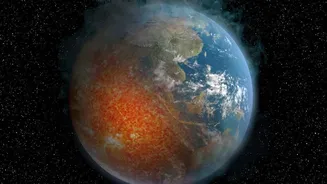
The consequences of a powerful El Niño extend beyond just the weather forecast. Disrupted agricultural seasons threaten food security and can cause price shocks in global commodity markets. Fisheries, like Peru's crucial anchovy catch, can be devastated as warm water disrupts marine ecosystems. Coastal erosion and flooding can damage infrastructure, while droughts strain water and electricity supplies. Furthermore, El Niño releases a tremendous amount of heat from the ocean into the atmosphere. This heat boost, on top of climate change, means that 2027 is very likely to become the new warmest year on record globally, temporarily pushing the world past the 1.5°C warming threshold.