






The Shifting Landscape of Health
For years, the narrative around healthy eating in India focused on cutting down fats and calories. Today, the conversation has become far more sophisticated. An increasing number of consumers are now acutely aware of the role food plays in long-term wellness,
moving from a reactive mindset to one of proactive, preventive health. This shift is largely fuelled by growing consciousness about lifestyle-related ailments and a desire for better immunity, energy, and overall vitality. Consequently, 'empty calories' from sugary snacks and drinks are being viewed with greater suspicion. While taste remains a primary driver, it's no longer the only factor; shoppers are now scrutinizing labels and seeking products that offer tangible benefits.
What Are 'Functional Foods'?
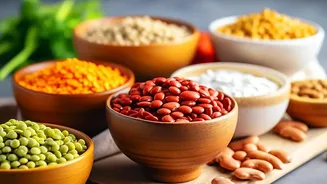
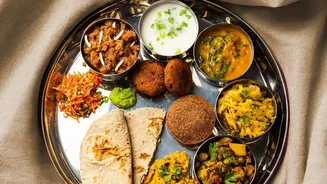
The term might sound technical, but the concept is simple and deeply rooted in Indian tradition. Functional foods are items that provide health benefits beyond basic nutrition. Think of them as foods with a purpose. This isn't about futuristic lab-grown products; many are familiar staples being appreciated in a new light. Examples include probiotic-rich curd and fermented foods that aid gut health, millets like ragi and bajra which are high in fibre and protein, and spices like turmeric, known for its anti-inflammatory properties. The trend also includes modern packaged goods, such as beverages fortified with vitamins, protein-enriched snacks, and sugar-free alternatives that cater to health-conscious but busy lifestyles.
Why the Change is Happening Now
Several factors are converging to drive this trend. A major catalyst is the post-pandemic focus on immunity and preventive health. Consumers are actively seeking foods that can support their body's natural defences. Digital access has also played a huge role, with wellness influencers and online communities making nutritional information more accessible than ever. This has led to a greater interest in gut health, with many understanding its connection to everything from digestion to mood. Furthermore, rising disposable incomes allow more people to invest in premium, nutrient-dense foods. The market for health and wellness foods in India is expanding rapidly, with projections showing significant growth in the coming years.
The Comeback of Ancient Grains and Superfoods
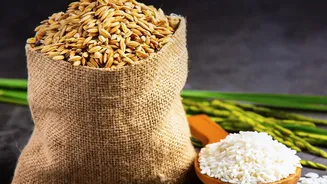
Interestingly, this modern wellness trend has sparked a rediscovery of traditional Indian ingredients. Ancient grains like millets, once considered humble fare, are making a major comeback. Celebrated for being gluten-free, low on the glycemic index, and packed with nutrients, they are now found in everything from breakfast cereals to ready-to-eat meals. Similarly, ingredients like moringa, amla, and ashwagandha, long used in Ayurvedic practices, are being incorporated into new products like teas, juices, and health supplements. This blend of traditional wisdom and modern convenience is a defining feature of the current market, as consumers embrace familiar ingredients in new, easy-to-use formats.
Navigating the New Aisles
As brands rush to meet this new demand, the term 'functional' is appearing on more packages. For consumers, this means learning to be a discerning shopper. The key is to look beyond the splashy claims on the front of the box and read the full ingredient list and nutrition panel. A product marketed as 'high-protein' should have a significant amount of protein per serving, not just a marginal increase. Likewise, a 'gut-friendly' product should ideally contain recognized probiotics or a substantial amount of dietary fibre. The goal is to choose products with simple, recognizable ingredients and to be wary of those that compensate for less sugar with a long list of artificial additives. This movement is ultimately about making food work harder for your health, one informed choice at a time.