





The Quest for Authentic Flavour
The primary driver behind this shift is the pursuit of complex, authentic taste. Factory-made sauces are engineered for consistency and long shelf life, often resulting in one-dimensional flavours dominated by sugar, vinegar, or artificial enhancers.
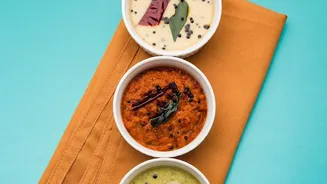
Handcrafted condiments, in contrast, are celebrated for their depth and personality. Small-batch producers can slow-ferment ingredients, toast whole spices moments before they are ground, and make micro-adjustments to every batch. This hands-on approach builds layers of flavour that a machine-led process cannot replicate, resulting in chutneys, pickles, and sauces that taste vibrant and alive.
Clean Labels and Quality Ingredients
Today's gourmet enthusiast is also a discerning label-reader. There's a growing appreciation for products with short, understandable ingredient lists. Handcrafted condiments often feature natural, high-quality produce, and are typically free from the artificial preservatives, thickeners, and flavourings found in many commercial sauces. This 'clean label' appeals to health-conscious consumers who want to know exactly what they are eating. The difference is tangible; you are tasting real tomatoes, fresh herbs, and carefully selected spices, not a formula designed in a lab. This focus on premium, often locally sourced ingredients, is a hallmark of the artisanal food movement.
A Connection to Tradition and Region
Each jar of a handcrafted condiment can be a vessel of culinary heritage. Many small-batch brands are reviving heirloom recipes or showcasing the unique flavours of a specific Indian region, from Bengali kasundi to Maharashtrian thecha. These products offer an edible map of India's diverse culinary landscape, preserving traditions that mass production often ignores. For the gourmet enthusiast, using a specific regional pickle or chutney is a way to connect with a story and a place. It's an appreciation for food that has a provenance and a point of view, something that a generic factory sauce simply cannot offer.
Supporting Small Business and the Creator Economy
The preference for handcrafted condiments is also tied to a conscious consumer mindset. Buying from an artisanal brand often means supporting a small, local business, a passionate chef, or a family enterprise. In an era where consumers seek more connection and transparency, knowing the person or the story behind a product adds immense value. Digital platforms and improved logistics have made it easier than ever for these small producers to reach a wider audience, allowing food lovers across the country to discover unique, high-quality products that were previously unavailable. This creates a vibrant ecosystem where creators are rewarded for their craft and consumers get access to exceptional flavours.
The Rise of 'Quiet Luxury' in Food
The trend also taps into a broader movement known as 'quiet luxury', where the focus is on small, deliberate upgrades to everyday experiences. Instead of a grand, expensive meal, the modern gourmet finds joy in elevating a simple home-cooked dish with a top-shelf condiment. A spoonful of a complex, fermented chilli oil or a meticulously crafted regional pickle can transform a simple bowl of dal and rice into a memorable meal. It's about finding luxury in quality and authenticity rather than price or extravagance, a philosophy that perfectly aligns with the ethos of handcrafted food.