







An urgent call, a serious accusation, and a demand for money to avoid jail. Digital arrest scams are on the rise, and their success hinges on a powerful combination of intense psychological pressure and the chilling appearance of fake authority.
Anatomy of a Deception
The scam
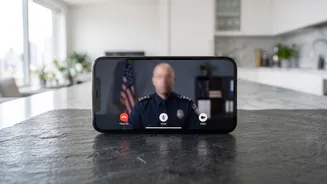
begins with an unexpected phone call. The person on the other end introduces themselves as an official from a prominent agency like the police, CBI, or Enforcement Directorate. They allege that the victim's identity—often their Aadhaar or bank account—has been linked to a serious crime, such as drug trafficking or money laundering. The initial shock is quickly followed by a transfer to a 'senior officer' who escalates the threat. This is when the so-called 'digital arrest' begins. Victims are ordered to remain on a video call, often for hours, creating a high-pressure, isolated environment where rational thinking becomes nearly impossible.
The Engine of Fear and Urgency
The core of this scam is not technological sophistication, but psychological manipulation. Scammers expertly manufacture a sense of extreme urgency and fear. They use phrases like 'immediate arrest' and warn victims that their bank accounts will be frozen. A crucial tactic is isolation; victims are strictly instructed not to talk to anyone else, including family or friends, under the pretext that it would compromise the 'investigation'. This cuts off the victim's support system and prevents them from getting a crucial second opinion that could instantly expose the fraud. Trapped in this cycle of fear and isolation, the victim's ability to think critically is severely impaired, making them more susceptible to the scammer's demands.
The Power of a Fake Badge
To make the threats feel real, fraudsters leverage the power of perceived authority. During the video call, they present seemingly authentic props to build credibility. This includes showing a fake ID card, often with official-looking logos and a stern photograph, or wearing a police uniform. Some scammers even operate from rooms staged to look like a police station or government office. They may also share forged documents like arrest warrants or official notices via WhatsApp. This visual 'proof' exploits our natural respect for and fear of law enforcement. When a person in a uniform flashes a badge, even on a screen, the instinct for most people is to comply, not to question its authenticity. The ease with which such cards can be forged has been a significant factor in the rise of these scams.
The Financial 'Solution'
After hours of psychological conditioning, the scammer presents a way out. They tell the victim they can 'clear their name' or avoid immediate arrest by transferring a large sum of money to a specific bank account for 'verification'. They provide false assurances that the money will be returned once the investigation is complete. The funds are demanded through methods like UPI or direct bank transfers. This is the entire goal of the operation: to use manufactured fear and fake authority to extort money. Once the transfer is made, the scammers disappear, leaving the victim in financial and emotional distress. It is critical to remember that no legitimate government agency will ever demand payment to avoid arrest or conduct an investigation over a video call.
How to Protect Yourself
Awareness is the best defence against digital arrest scams. First, it's essential to know that 'digital arrest' has no legal basis in India; law enforcement cannot arrest you over a phone or video call. If you receive such a call, the first and most important step is to hang up immediately. Do not engage, argue, or try to reason with them. Never share personal information like your Aadhaar number, bank details, or any OTPs. If the caller's claims worry you, independently verify them by contacting your local police station using an official phone number, not one provided by the caller. If you suspect you've been targeted, report the incident to the National Cyber Crime Reporting Portal at cybercrime.gov.in or by calling the helpline number 1930.