




A Nationwide Shift to Conscious Eating
The change in our grocery lists is no accident. It’s part of a larger, nationwide movement towards more conscious eating. As lifestyles become more sedentary and awareness of health issues like diabetes and heart disease grows, Indians are proactively
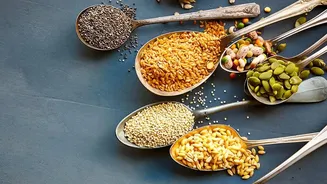
seeking out healthier food alternatives. This isn't about chasing fad diets; it's about making smarter, more sustainable choices. Consumers are looking for foods that are not only nutritious but also convenient and versatile. This has created the perfect environment for traditional powerhouses like makhana and millets to make a grand comeback, while global health staples like oats are being embraced and adapted like never before. It signals a move towards a balanced plate, blending ancient wisdom with modern nutritional science.
Makhana: The Humble Snack's Big Return
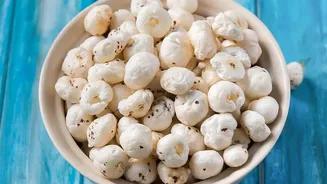
For generations, makhana, or fox nuts, were primarily seen as a food for fasting. Today, they have transformed into a mainstream, guilt-free snack. The reasons are clear: makhanas are low in calories, gluten-free, and rich in protein and fibre, which helps you feel full for longer. They are also packed with essential minerals like magnesium and potassium, which are vital for heart health. The market reflects this surge in popularity, with flavoured and packaged makhana becoming a multi-crore industry. Brands have reinvented this humble seed with a variety of flavours, from classic salted to spicy peri-peri, turning it into a crunchy, convenient, and healthy alternative to fried snacks. This rebranding of a traditional food into a modern wellness product has been a key driver of its success.
Millets: The Ancient Grains' Modern Moment
Millets like jowar, bajra, and ragi were once staples in the Indian diet before the Green Revolution prioritized wheat and rice. Now, they are experiencing a powerful resurgence. This revival has been significantly boosted by government initiatives, including the celebration of 2023 as the International Year of Millets, which has raised awareness about their benefits. Nutritionally, millets are superior to refined grains in many ways. They are high in dietary fibre, rich in minerals like iron and calcium, and have a lower glycemic index, making them an excellent choice for managing blood sugar levels. They are also climate-resilient crops, requiring less water and thriving in poor soil, which makes them a sustainable choice for the future. From millet dosas to ragi cookies, these versatile grains are being incorporated into modern diets, proving they are much more than a passing trend.
Oats: The Global Health Food Gone Desi
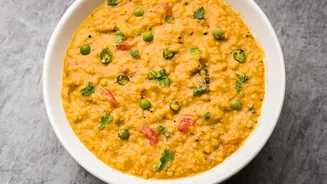
Oats, once considered a purely Western breakfast food, have successfully integrated into the Indian kitchen. Their journey from a niche health product to a household staple is a story of clever adaptation. Brands recognised that to win over the Indian palate, oats had to be versatile. This led to the launch of savoury versions like masala oats, which mimic the taste of popular dishes like poha and upma. The health benefits of oats are well-documented; they are an excellent source of a soluble fibre called beta-glucan, known for its ability to lower cholesterol and improve heart health. Their high fibre content also aids in weight management by promoting a feeling of fullness. With the market for oats and oat-based snacks growing steadily, it’s clear that this global grain has found a permanent and comfortable home in India.