



A Tiny Nutritional Powerhouse
Don't let their small size fool you; sunflower seeds are packed with an impressive array of nutrients. They are an excellent source of vitamin E, a powerful antioxidant that helps protect your body's cells from damage. Just a small handful, about 28 grams,
can provide a significant portion of your daily vitamin E needs. They are also rich in minerals like magnesium, which is crucial for energy production, muscle function, and maintaining stable blood sugar levels, and selenium, an antioxidant that supports immune function. Furthermore, these seeds are a good source of healthy unsaturated fats, plant-based protein, and dietary fibre, a combination that helps you feel full and satisfied for longer.
More Than Just a Garnish
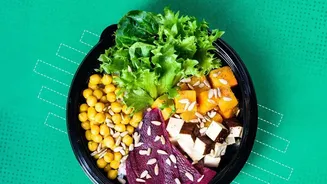
The mild, nutty flavour and firm-but-tender texture of sunflower seeds make them incredibly versatile. While sprinkling them over a bowl of oatmeal or yogurt is a great start, their potential extends much further. Think about adding a delightful crunch to your morning smoothie by blending them in, or stirring them into pancake or muffin batter before cooking for a textural surprise. For those who enjoy savoury breakfasts, sunflower seeds can be a game-changer. Try toasting them and tossing them over a plate of poha or upma. They can even be incorporated into scrambled eggs or an omelette just before serving to add a satisfying crunch and nutty depth.
The Perfect Textural Twist
One of the most immediate benefits of adding sunflower seeds to your breakfast is the textural contrast they provide. So many breakfast foods—oatmeal, smoothies, yogurt, idlis—are soft by nature. The addition of crunchy sunflower seeds can make these meals more interesting and enjoyable to eat. Toasting the seeds in a dry pan for a few minutes can enhance their nutty flavour and make them even crunchier. This simple step elevates them from a simple ingredient to a culinary feature that can make even the most routine breakfast feel a little more special. This satisfying crunch isn't just for pleasure; it can also make you eat more mindfully, paying more attention to your food.
How to Get Started
Incorporating sunflower seeds is simple. Start with shelled, unsalted seeds to control your sodium intake. A serving size of one to two tablespoons (around 15-30 grams) is a great starting point to reap the benefits without adding excessive calories. You can buy them raw or dry-roasted. Storing them in an airtight container in a cool, dark place will help maintain their freshness. For an even bigger nutritional punch, consider making your own sunflower seed butter as a replacement for peanut butter on toast. It’s a fantastic option for those with nut allergies and offers a unique, earthy flavour that pairs wonderfully with both sweet and savoury toppings.