





The New Monsoon Travel Boom
For years, the monsoon season from June to September was considered a lean period for domestic travel. That is decisively changing. Travel and hospitality companies are now reporting a significant surge in bookings during these months, transforming the rainy
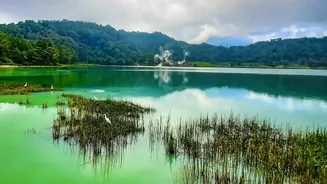
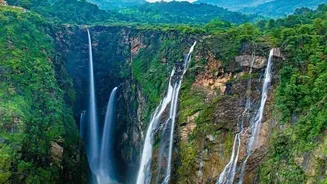
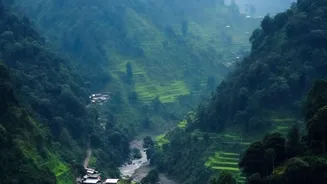
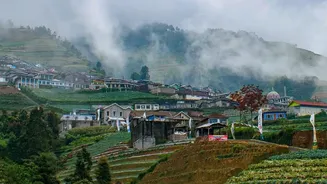
season into a preferred travel window. This shift is driven by a new wave of travellers who are more intentional about their holidays, seeking value and unique experiences away from the peak-season crowds. Instead of seeing rain as a spoiler, they view it as an attraction, creating lush, green landscapes and a serene atmosphere. Destinations across the country, from the Western Ghats to the Himalayan foothills, are seeing increased interest as travellers embrace the magic of the monsoon.
Why Short Trips Are Driving the Surge
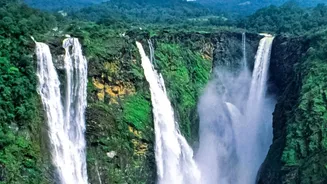
The engine of this monsoon boom is the short stay. Data and travel experts indicate a clear preference for quick trips, often planned around long weekends and public holidays. These brief getaways, typically lasting 2-4 days, are more manageable for busy professionals and young families, allowing for more frequent breaks without requiring extensive leave from work. This pattern is particularly strong for destinations within driving distance of major metro cities. Hill stations like Lonavala, Mussoorie, and Kasauli, as well as coastal retreats in Goa and Kerala, have become hotspots for these impromptu escapes. The focus is less on elaborate itineraries and more on relaxation, wellness, and immersing in nature-led experiences like visiting waterfalls or walking through rain-washed coffee plantations.
The Impact on Popular Destinations
This concentrated demand for weekend travel has a predictable effect: popular spots fill up fast. Destinations like Coorg, Munnar, Udaipur, and Rishikesh are seeing a dramatic rise in searches and bookings. According to data from Booking.com, searches for Rishikesh increased by over 200% year-on-year, and Mussoorie saw a 160% jump. While the monsoon still offers significant price advantages over the peak winter season, with hotel and flight rates often 30-50% lower, the best deals are disappearing quickly. For high-demand weekend dates, villas and well-regarded resorts can be fully booked 3-4 weeks in advance, challenging the notion of the monsoon as a time for last-minute bargains.
Why Early Booking Is Your New Best Friend
The dominance of short, weekend-focused trips means that the booking window has shrunk and competition has intensified. While it might seem counterintuitive for an 'off-season', booking your monsoon getaway early has never been more valuable. The primary benefit is availability. The most desirable properties, from boutique hotels with stunning views to private villas, are the first to go. Booking ahead secures your spot and gives you a wider choice of accommodations. The second benefit is price. While last-minute deals can sometimes be found for mid-week travel, weekend prices tend to spike as availability dwindles. Travel companies themselves advise booking in advance to lock in early bird offers and avoid the surge pricing that accompanies high last-minute demand. Planning at least a few weeks out is now the key to unlocking the best value the monsoon season has to offer.
A Smarter Strategy for Monsoon Travel
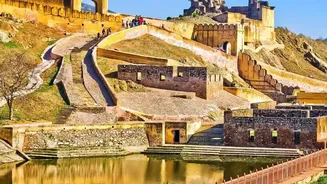
To make the most of the 2026 monsoon season, a slight shift in planning is required. First, identify potential long weekends and start your research early. Second, be flexible if you can. Traveling mid-week instead of on a Friday or Saturday can yield significant savings on both flights and hotels. Third, consider exploring less-crowded destinations. While places like Lonavala and Munnar are popular, a host of other locations in the Western Ghats, Rajasthan, and the Himalayan foothills offer stunning monsoon beauty with fewer crowds. Finally, use technology to your advantage. Set up price alerts for flights and hotels on your preferred routes. Many travel platforms are also running specific monsoon sales, offering discounts and bundled packages that reward those who plan ahead.