


The Ultimate Convenience Hack
The single biggest driver behind the one-pan trend is its sheer simplicity. For young professionals and students, time is a precious commodity. The thought of a sink piled high with pots, pans, and various utensils after a long day can be enough to discourage
home cooking altogether. One-pan or one-pot recipes eliminate this barrier almost entirely. Everything—from the protein to the vegetables and grains—cooks together in a single vessel, whether it's a skillet, a baking sheet, or a wok. This not only streamlines the cooking process but, more importantly, reduces cleanup to a single item. It’s a time-saving solution that makes a nutritious, home-cooked meal feel achievable even on the busiest of weeknights.
Healthy, Mindful, and In Control
The shift towards one-pan meals aligns perfectly with a growing health consciousness among young Indians. Unlike ordering in, cooking at home provides complete control over every ingredient. This method makes it easy to pack a meal with a balanced mix of protein, carbohydrates, and plenty of vegetables. Cooking everything together also helps retain more nutrients that might otherwise be lost when boiling and draining ingredients separately. For a generation increasingly interested in wellness and mindful eating, a colourful one-pan dish offers a straightforward way to create a wholesome, satisfying meal without resorting to complicated recipes or calorie counting.
Good for the Wallet and the Planet
Beyond convenience and health, economics plays a crucial role. One-pan meals are inherently budget-friendly. They often rely on affordable staples like legumes, seasonal vegetables, and grains, allowing a little to go a long way. This method also helps reduce food waste, as it's easy to use up leftover vegetables or small amounts of ingredients. Furthermore, there's a growing awareness of the environmental impact of our choices. Using a single pan consumes less energy and, critically, less water for washing up. For a generation that values sustainability, this small act of conservation in the kitchen adds another layer of appeal.
The Social Media Aesthetic
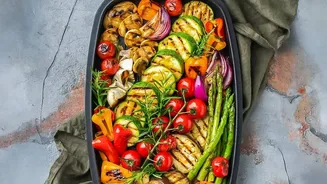
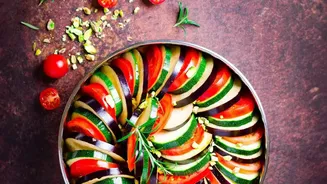
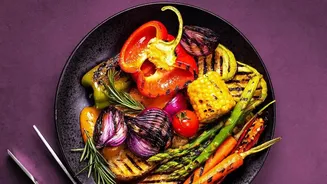
In the age of Instagram and TikTok, we eat with our eyes first. One-pan meals, especially those roasted on a sheet pan, are incredibly photogenic. The vibrant colours of roasted bell peppers, broccoli, and paneer or tofu arranged on a pan create a visual feast that's perfect for sharing online. Social media has become a primary source of recipe discovery for Gen Z, with quick, visually appealing videos of one-pan creations going viral. This has transformed home cooking from a chore into a creative and shareable hobby. The appeal is twofold: the meal is easy to make, and it looks impressive with minimal effort.
A Modern Nod to Tradition
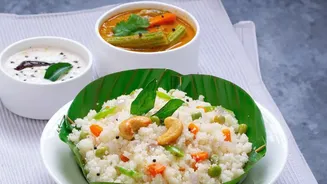
While the trend might feel modern and global, the concept of a one-pot meal is deeply rooted in Indian culinary tradition. Dishes like khichdi, tehri, and biryani are classic examples of complete meals cooked in a single vessel. Today's young cooks are simply adapting this age-old concept to their contemporary lifestyles and global palates. They might be making a one-pan tandoori pasta or a skillet-roasted vegetable medley with Italian herbs, but the underlying principle of simplicity, flavour fusion, and comfort remains the same. It’s a fusion that feels both innovative and comfortingly familiar, perfectly suiting the tastes of modern, young India.