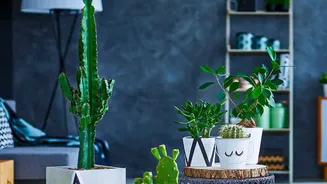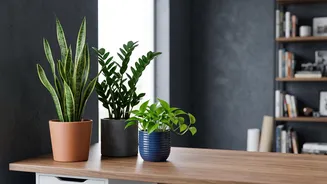





Start Small and Simple
One of the biggest mistakes new gardeners make is starting too big, too fast. The idea of a huge garden is lovely, but the reality of weeding, watering, and pest control can become overwhelming. Instead, begin with just three to five resilient plants
in containers. This approach makes gardening feel manageable and allows you to learn the rhythms of your plants without pressure. A few pots on a balcony or a small, dedicated patch is perfect. Once you gain confidence by keeping a few plants happy, you can expand your garden naturally. This method turns potential mistakes into small, low-stakes learning opportunities.
Choose the Right Location
Sunlight is the lifeblood of most plants. Before you buy a single seed, observe your space. Find a spot on your balcony, terrace, or near a window that receives at least four to six hours of sunlight per day. This is crucial for everything from flowering plants to vegetables. South-facing balconies tend to get strong, all-day sun, while west-facing spots get intense afternoon heat. If you have harsh sun, you might need to provide some shade during the hottest part of the day. Also consider accessibility—make sure your chosen spot is easy to reach for watering and daily care. Out of sight often means out of mind.
Focus on Healthy Soil
Healthy soil is the foundation of a successful garden. Simply digging up dirt from the ground and putting it in a pot often leads to disappointment, as it can be too dense, lack nutrients, and drain poorly. For container gardening, always use a good quality potting mix. A common and effective mix for beginners in India is a combination of coco peat, compost (like vermicompost), and garden soil. This blend is light, retains moisture without becoming waterlogged, and provides essential nutrients. You can also improve your soil with organic matter like well-rotted manure, which feeds your plants naturally.
Watering Wisely Is Key
More beginner plants are killed by overwatering than by almost any other cause. It's a classic case of killing with kindness. Instead of watering on a rigid schedule, check the soil first. A simple rule is to stick your finger about two inches into the soil. If it feels moist, wait to water. If it's dry, it's time to give your plant a thorough drink. Water until you see it running out of the drainage holes at the bottom of the pot. This ensures the entire root system gets hydrated. It’s generally best to water in the early morning or evening to reduce evaporation.
Pick Beginner-Friendly Plants
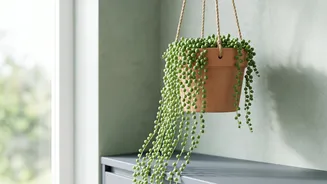
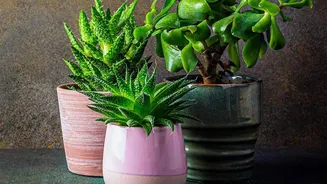
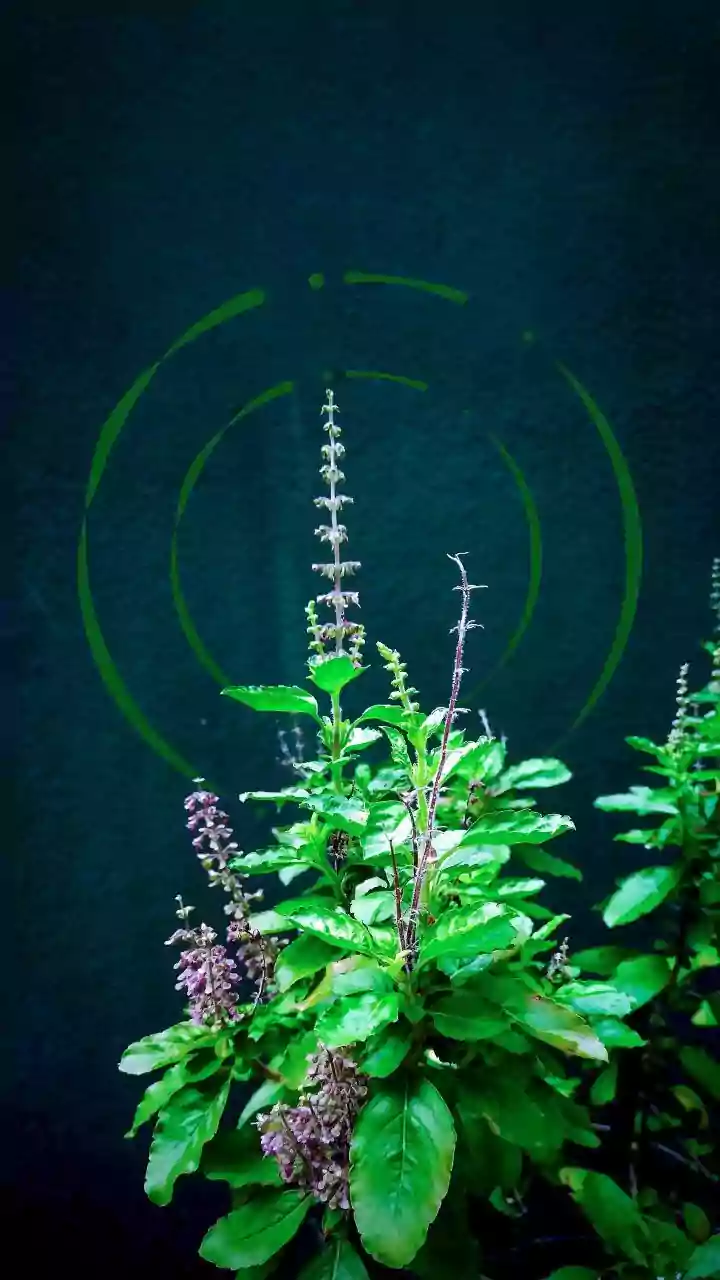
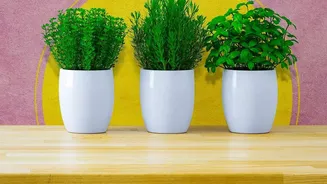
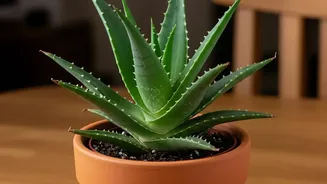
Set yourself up for success by choosing plants that are known to be forgiving. For a home kitchen garden in India, some of the easiest vegetables to start with are spinach (palak), coriander (dhaniya), tomatoes, and green chillies. These grow relatively quickly and don't require expert-level care. Herbs like mint and tulsi are also incredibly resilient and useful. If you're more interested in decorative plants, start with low-maintenance options like the money plant or aloe vera. Choosing seasonal varieties will also give you a much better chance of success, as the plants will be naturally suited to the climate.