







The Real Cost of 'Cheap'
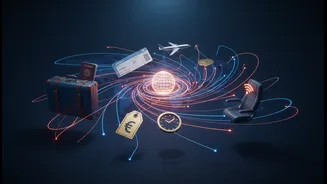
The era of unbundling, pioneered by budget carriers, has reshaped the airline industry. What starts as a bargain can quickly become expensive once necessary extras are added. These ancillary fees for things like checked bags, carry-on luggage, and even
seat selection have become a major source of revenue for airlines but a point of frustration for flyers. This has led to a savvier consumer who understands that the initial ticket price is often just a starting point. Travelers are increasingly doing the full math, comparing the total cost of a journey on a budget airline versus a full-service carrier. When a legacy airline includes a bag and a seat assignment in a slightly higher fare, it can often prove cheaper and less stressful than the bare-bones alternative. This frustration is compounded by a lack of transparency, with studies showing that these fees can make it difficult for consumers to compare the true price of travel across different airlines.
Reliability Is the New Luxury
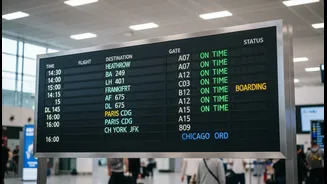
After years of unpredictable schedules and operational meltdowns, reliability has become a top priority for passengers. A cheap ticket offers little value if the flight is severely delayed or, worse, cancelled. Travelers, especially those on business or tight schedules, are increasingly willing to pay a premium for an airline with a strong on-time performance (OTP) record. A carrier's ability to get passengers to their destination as scheduled is now seen as a crucial component of service quality. This foundation of trust builds customer loyalty far more effectively than a rock-bottom price. Airlines with consistent OTP are perceived as more professional and customer-focused, making them a more attractive choice for travelers seeking a smooth, stress-free experience.
The Growing Demand for Comfort
As the gap between a cramped economy seat and a lie-flat business class bed widens, a crucial middle ground has emerged: premium economy. This cabin class, offering more legroom, wider seats, and enhanced amenities, is booming in popularity. The global market for premium economy is projected to grow significantly, expanding from $9.8 billion in 2025 to $19.2 billion by 2034. This growth is driven by both leisure and business travelers who are willing to pay more for comfort on long-haul flights but are not prepared for the expense of business class. Airlines are responding by adding more premium economy seats, which are often the fastest-growing cabin class on many routes. This trend highlights a clear shift: flyers are increasingly investing in the quality of their journey, not just the destination.
A Shift Toward Overall Value
Ultimately, the trend reflects a broader evolution in consumer behavior. Travel is increasingly seen as an essential part of a fulfilling life rather than a discretionary luxury. Because of this, travelers are becoming more strategic, focusing on maximizing the overall value of their experience, not just minimizing the initial cost. This value-driven mindset means weighing multiple factors: convenient flight schedules, loyalty program benefits, service quality, and the overall travel experience. While price remains a significant factor, it is no longer the only one. People are often willing to cut spending in other areas to preserve their travel plans, but they want to ensure the money they do spend delivers a worthwhile and memorable experience. This marks a move from being price-conscious to being value-conscious, where the total experience justifies the total cost.