








Why the Money Talk Is So Awkward
Let's be honest: talking about money, especially with friends and family, can be uncomfortable. Everyone comes from different financial backgrounds and has a different comfort level with spending. What one person considers a budget-friendly meal, another
might see as a splurge. This difference in perception is the root cause of many group travel conflicts. When costs are hidden or vaguely discussed, it creates a vacuum filled with assumptions. People might silently agree to a plan, all while worrying about a huge bill at the end. This underlying stress can ruin a trip before it even begins, turning what should be a relaxing experience into a minefield of financial anxiety and potential resentment. Poorly managed disagreements can disrupt group cohesion and turn a fun getaway into a burden.
The Power of a Pre-Trip Budget
The best way to avoid financial drama is to tackle it head-on before any bookings are made. Gather the group—in person or on a call—and have an open, non-judgmental conversation about the budget. The goal isn't for everyone to spend the exact same amount, but to agree on a framework that works for everyone. Start by discussing the big-ticket items: flights, accommodation, and any non-negotiable group activities. This helps establish a baseline cost. Research shows that younger travellers in particular often face repayment issues and damaged friendships over shared expenses, with many going into debt to cover group costs upfront. By discussing and agreeing on a budget from day one, you create a sense of shared ownership and financial safety.
A Simple Blueprint for Transparency
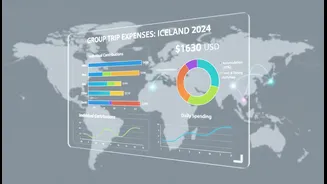
Creating a transparent budget doesn't have to be complicated. Start by creating a shared spreadsheet or using a budgeting app. List all anticipated shared expenses, such as accommodation, group transport, and groceries. For activities, it can be helpful to create different tiers. For example, have a 'must-do' list that everyone agrees to and is part of the core budget. Then, add optional activities that people can join based on their interest and personal budget. This approach allows flexibility and ensures that no one feels pressured to spend more than they are comfortable with. It respects both the group's desire for shared experiences and the individual's financial reality.
Let Technology Do the Hard Work
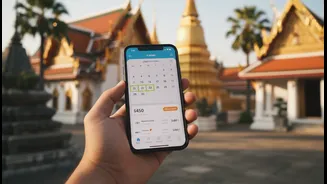
Once you're on the trip, tracking every little expense can be a chore. This is where technology becomes your best friend. Instead of scribbling notes or trying to remember who paid for the chai, use an expense-splitting app. In India, there are several great options built for local needs. Apps like Splitwise, The Hisaab, FairShare, and Lekhhaa are designed to make tracking and settling group expenses simple. Many of these apps integrate with UPI, allowing you to settle debts with a single tap. Using an app removes the personal awkwardness of asking for money back and provides a clear, real-time summary of who owes what, preventing confusion and misunderstandings at the end of the trip.
Beyond Money: It's About Respect
Ultimately, being transparent about costs isn't just a financial strategy; it's a sign of respect for everyone in the group. It acknowledges that everyone's financial situation is different and that their comfort is a priority. When you create a clear financial plan, you are telling your friends and family that you value their presence more than any fancy dinner or expensive activity. This upfront communication builds trust and allows everyone to relax and genuinely enjoy the shared experience without a dark cloud of financial worry hanging over them. The goal is to preserve friendships and create memories, and a little financial planning is a small price to pay for that.