



Why the Shift to 'Slow Coasts'?
The post-pandemic traveller is different. There's a growing desire for authenticity over artifice, and connection over commercialism. Instead of high-rise hotels and packed beach shacks, people are seeking homestays, fresh local food, and the simple pleasure
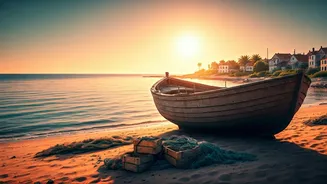
of watching fishing boats return at sunset. This isn't just about avoiding crowds; it's about finding a more meaningful way to unwind. It's a pivot from the ‘see and be seen’ vibe of popular beaches to a more introspective, ‘be and experience’ mindset. This ‘slow coast’ movement values cultural immersion and supports local economies directly, offering a richer, more sustainable travel experience.
Mararikulam, Kerala: The Fishermen's Hamlet
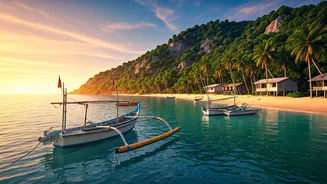
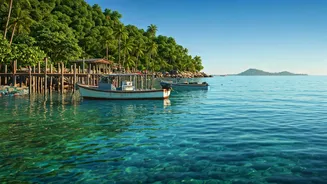
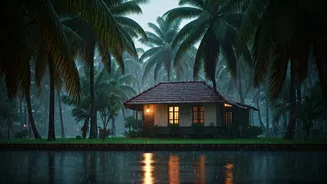
Forget the crowded backwaters and bustling beach towns. Nestled between Alleppey and Kochi, Mararikulam (or Marari) offers a glimpse into the serene life of a traditional Kerala fishing village. The days here are governed by the sea. You can wake up to the sight of fishermen launching their wooden boats and spend your afternoons cycling through quiet lanes shaded by coconut palms. The concept of time seems to melt away. Accommodations range from eco-friendly resorts that blend into the landscape to charming family-run homestays where you can learn to cook the day’s catch. It's the perfect antidote to a fast-paced urban life, offering quiet contemplation and genuine connection.
Vengurla, Maharashtra: The Konkan Secret
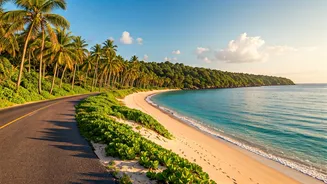
While the rest of the world flocks to Goa, the discerning traveller heads north to the unspoiled stretch of the Konkan Coast. Vengurla, a historic port town in southern Maharashtra, is a prime example. Surrounded by lush hillsides thick with mango, cashew, and coconut groves, Vengurla’s beaches are pristine and often deserted. The town itself has a quiet, old-world charm, with a Dutch-era market and a lighthouse offering panoramic views. The local Malvani cuisine, known for its fiery seafood curries, is a major draw. Here, the holiday is about long walks on the beach, exploring sea-caves at low tide, and savouring the silence.
Tranquebar, Tamil Nadu: A Slice of Denmark in India
Officially known as Tharangambadi, or 'Land of the Singing Waves', this coastal village on the Coromandel Coast offers a unique blend of Tamil culture and Danish colonial history. For over 200 years, it was a Danish trading post, and its legacy remains in the stunningly preserved Fort Dansborg and the quaint colonial architecture. The beach here isn't for swimming but for strolling, watching fishermen mend their nets against a backdrop of historic ramparts. The pace of life is incredibly slow. It’s a destination for history buffs and peace-seekers, a place where the waves seem to whisper stories of a bygone era. It proves that an offbeat coastal trip can be as much about history as it is about scenery.
Gopalpur-on-Sea, Odisha: Faded Glory, Timeless Charm
Once a bustling seaport during the British Raj, Gopalpur is now a tranquil beach town with a distinct air of nostalgia. The crumbling old jetties and colonial-era mansions speak of its grand past, but its present is a picture of peaceful coastal life. The main beach is a hub for local fishermen, and their colourful boats dotting the shoreline make for a picturesque scene. Unlike the more spiritually-focused Puri, Gopalpur is all about leisure. Visitors can enjoy the golden sands, visit the nearby olive ridley turtle nesting sites in season, or simply relax and enjoy the fresh sea breeze from a heritage hotel balcony. It’s a quiet corner of India’s eastern coast that remains beautifully untouched by mass tourism.