



Understanding the Monsoon's Fury
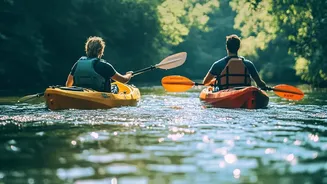
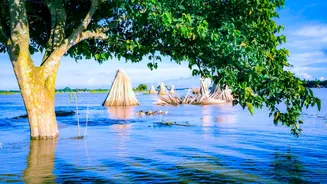
Kayaking in Meghalaya during the monsoon is fundamentally different from paddling in other seasons. The clear, gentle rivers of winter, like the popular Umngot, become raging, chocolate-brown torrents. Rainfall can exceed 300 mm in a single day, causing
water levels to rise dramatically and without warning. This creates extreme conditions, including Class IV and Class V rapids, powerful whirlpools, and hydraulics that can challenge even the most skilled kayakers. The defining danger is the flash flood. What starts as a manageable run can become a life-threatening situation in minutes as water surges through the narrow canyons, altering the riverbed and creating new, unseen hazards. This is not a place for improvisation; it's an environment that requires rigorous planning.
Pre-Expedition Intelligence is Crucial
Before your paddle even touches the water, your survival depends on diligent research. Weather in Meghalaya is notoriously fickle and can change in an instant. Monitor multiple, reliable weather forecasts obsessively, paying close attention to rainfall predictions in your specific watershed. Roads can become impassable due to landslides, affecting your access to put-in and take-out points, so build buffer days into your itinerary. Study topographical maps and, if possible, satellite imagery to understand the canyon's morphology, potential escape routes, and areas prone to flooding. Never paddle alone. Ensure your entire team is aligned on the plan, has matching skill levels, and has established clear communication protocols and hand signals for high-noise environments. Everyone must be prepared to cancel the trip if conditions appear even slightly uncertain.
Gear That Goes Beyond the Basics
Standard whitewater gear is just the starting point. For Meghalaya's monsoon canyons, your equipment is your lifeline. A properly fitted helmet and a reliable personal flotation device (PFD) are non-negotiable. Your kayak should be a creek boat designed for steep, technical whitewater. Given the potential for rescue scenarios in tight gorges, a comprehensive safety kit is essential. This must include multiple throw bags, pulleys, carabiners, and sufficient rope for complex rescues. Communication devices like satellite messengers or personal locator beacons (PLBs) are critical, as mobile service is non-existent in most canyons. Pack for exposure: quick-dry thermal layers are vital, as hypothermia is a real risk even in the tropical climate. Finally, a well-stocked first-aid kit, waterproofed and easily accessible, is mandatory.
Local Knowledge is Non-Negotiable
This is the single most important safety rule: you must engage with local experts. The Khasi and Jaintia people who live by these rivers possess generations of knowledge about their behaviour. Hiring a certified local guide is the smartest decision you can make. They understand flash flood patterns, know the river's character at different water levels, and have established relationships with villagers along the route—an invaluable asset in an emergency. These guides are not just navigators; they are your connection to the environment and its unwritten rules. They know which sections are prone to landslides, where safe eddies are located during high flow, and when the river is simply too dangerous to attempt. Disregarding this local expertise is a risk no kayaker should ever take.
The Most Important Skill: Knowing When to Walk Away
Confidence in your skills is essential, but arrogance is fatal. The power of a monsoon-swollen river in Meghalaya is absolute and must be respected. One of the most critical parts of your pre-trip planning is defining your group's risk tolerance and agreeing on clear, objective turn-back conditions. This could be a specific rate of rainfall, a rising water level marker, or a gut feeling that something isn't right. There is no shame in portaging a rapid that feels wrong or scrubbing a mission entirely. The mountains and rivers will still be there tomorrow. The goal of any expedition is to return safely, with stories to tell. Sometimes, the best story is the one about the wise decision to wait for a better day.