




From Hand-Me-Downs to Conscious Choice
The idea of wearing used clothes is nothing new in India, where hand-me-downs have been a part of family life for generations. However, today's trend is driven by a completely different mindset. It's not about making do; it's about making a statement.
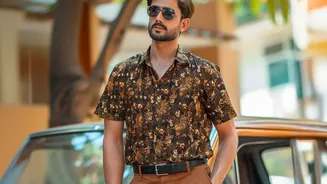
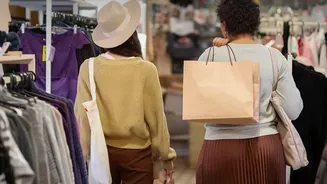
For a growing number of Gen Z and Millennial consumers, choosing a pre-loved garment is a deliberate act. It's a rejection of the mass-produced uniformity of fast fashion and an embrace of individuality. Social media platforms like Instagram have been pivotal in this cultural shift, transforming secondhand shopping from a private necessity into a public expression of personal style and values. The 'thrift haul' is now a popular content format, and online stores run by young entrepreneurs are curating unique collections that feel more like boutique discoveries than bargain-bin finds.
Understanding the Circular Fashion Ecosystem
This trend is a key component of a larger concept: the circular fashion ecosystem. Unlike the traditional linear model of 'take-make-waste' that defines fast fashion, a circular system is designed to keep clothing in use for as long as possible. It’s about extending the life of a garment through reuse, resale, repair, and eventually, recycling it back into new textiles. This model tackles the massive environmental footprint of the fashion industry, which is a significant global polluter responsible for vast amounts of water consumption, carbon emissions, and landfill waste. In India, where an estimated 7.8 million tonnes of textile waste are generated annually, fostering a circular economy is not just a trend but an environmental and economic necessity.
The Drivers: Conscience, Creativity, and Cost
The motivations behind this shift are threefold. Firstly, there is a rising environmental consciousness among young Indians. They are increasingly aware of the dark side of fast fashion, from polluting dyes entering rivers to the mountains of non-biodegradable clothing filling up landfills. Secondly, there's a strong desire for uniqueness. In a world of globalised trends, vintage and thrifted items offer a chance to stand out and cultivate a personal aesthetic that cannot be bought off the rack at a mall. Finally, affordability remains a powerful driver. With the rising cost of living, thrifting allows young, budget-conscious individuals to access high-quality and stylish pieces without breaking the bank.
The New Digital Bazaar
The ecosystem is thriving online. Instagram has become the de facto marketplace, with hundreds of 'thrift stores' catering to every imaginable style. Pages like Bombay Closet Cleanse, Bodements, and Carol's Shop are not just selling clothes; they are building communities and promoting a new way of thinking about fashion. These online platforms make it easy for sellers to curate and market their finds and for buyers across the country to access a diverse range of clothing, from vintage band tees to designer pieces. This digital-first approach has also lowered the barrier to entry for young entrepreneurs, many of whom have turned their passion for thrifting into a full-time business.
More Than a Fleeting Trend
While some might dismiss it as a passing fad, the move towards secondhand clothing represents a deeper cultural shift. It signifies a change in consumer values, moving away from the hyper-consumption promoted by fast fashion towards more mindful and responsible habits. This is not just about clothes; it's about a broader lifestyle choice that prioritises sustainability, individuality, and community. The Indian secondhand apparel market is projected to grow significantly, indicating that this is a sustainable trend in more ways than one. As more consumers and brands participate, the circular fashion ecosystem in India is poised to become a powerful force for positive change, proving that style and sustainability can, and should, go hand in hand.