





The All-Important Fibre Factor
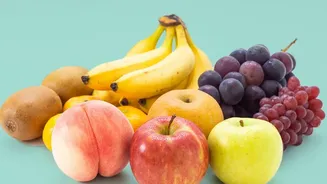
The most significant difference between drinking juice and eating fruit is fibre. Whole fruits are packed with dietary fibre, which is largely found in the pulp and skin. This fibre is a digestive powerhouse; it aids gut health, helps manage cholesterol,
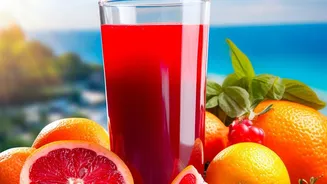
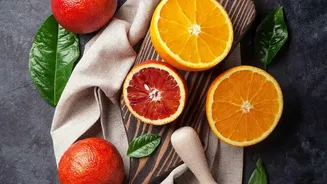
and makes you feel full. The juicing process, however, removes almost all of this beneficial fibre, leaving you with the liquid but without the substance that helps your body process it slowly. For example, a cup of orange segments contains over three and a half grams of fibre, while a cup of orange juice has less than one gram. This loss of fibre is a major reason why nutritionists consistently recommend the whole fruit.
A Tale of Two Sugars
While the sugar in fruit is natural, the way our bodies handle it changes dramatically once the fruit is juiced. In whole fruit, sugars are 'intrinsic', meaning they are bound within the fruit's cellular structure along with fibre. This structure means your body has to work to break it down, leading to a slower, more gradual release of sugar into the bloodstream. In contrast, the juicing process breaks down these cell walls, releasing the sugars and turning them into 'free sugars'. These are the same type of sugars found in honey, syrups, and even sugary sodas. Your body absorbs these free sugars much more rapidly, which can cause a sharp spike in blood sugar levels, followed by a crash.
Satiety and Calorie Consumption
Have you ever noticed that you could drink the juice of three or four oranges in a single glass but would feel quite full after eating just one whole orange? This comes down to satiety—the feeling of fullness. The combination of fibre and the physical act of chewing sends signals to your brain that you're full, helping to regulate your appetite. Because juice lacks fibre and requires no chewing, it's far less filling. This makes it easy to consume a large number of calories and sugar in a very short time without feeling satisfied, which can contribute to weight gain over time.
What About the Vitamins?
Freshly squeezed juice does contain vitamins and minerals, which is one of its main appeals. It can be a convenient way to get a dose of nutrients like Vitamin C, especially for those who don't eat enough whole fruits. However, the juicing process can lead to a loss of some nutrients and antioxidants that are bound to the fibre in the pulp and skin. While a glass of 100% fruit juice is a better choice than a sugar-sweetened soda, it is not nutritionally equivalent to the fruit it came from. The complete package of vitamins, minerals, antioxidants, and fibre is found only in the whole fruit.
Making the Healthier Choice
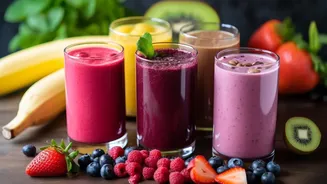
The evidence is clear: whole fruit is the superior choice for your health. Its fibre content ensures slower sugar absorption, better digestive health, and greater satiety. Does this mean you must banish juice forever? Not necessarily. An occasional small glass (around 150ml) of 100% fruit juice can be part of a balanced diet, but it should not be used as a regular replacement for whole fruit. Think of it as a treat rather than a health staple. If you do opt for juice, consider diluting it with water to reduce the sugar concentration or choosing a smoothie that blends the whole fruit, retaining at least some of the fibre.