



The Shambles, York, UK
Walking down The Shambles is like stepping into a time machine. Arguably the best-preserved medieval street in the world, its timber-framed buildings date back to the 14th century. The upper floors overhang so much that you can almost touch both sides
of the street at once. Originally a street of butchers, its name comes from 'fleshammels', the Anglo-Saxon word for the shelves where meat was displayed. Today, the old meat hooks remain, but the shops now sell everything from souvenirs to magical memorabilia, thanks to its resemblance to Harry Potter's Diagon Alley.
Lombard Street, San Francisco, USA
Famously called 'the crookedest street in the world', the one-way block of Lombard Street between Hyde and Leavenworth features eight hairpin turns. This iconic design wasn't for show; it was a practical solution proposed in 1922 to make the hill's dangerously steep 27-percent grade navigable for vehicles. Surrounded by beautiful Victorian mansions and lush flower gardens, walking down the staircases on either side offers fantastic photo opportunities and stunning views of the city and bay.
Hosier Lane, Melbourne, Australia
A vibrant open-air art gallery, Hosier Lane is the epicenter of Melbourne's world-renowned street art scene. This bluestone laneway is a constantly evolving canvas of colour, where local and international artists create everything from detailed murals and stencils to political commentary. Since the late 1990s, it has become a major tourist attraction where you can wander through a dizzying array of characters and shapes that cover every surface, including walls, windows, and even bins.
The Blue Streets of Chefchaouen, Morocco
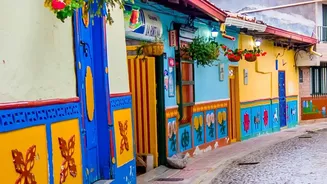
Nestled in Morocco's Rif Mountains, the entire old town, or medina, of Chefchaouen is a maze of brilliant blue alleyways. There are several theories for the colour: some say it was introduced by Jewish refugees in the 1930s to symbolize the sky and heaven, while others believe it helps keep mosquitoes away or was simply done to attract tourists. Whatever the reason, getting lost in its peaceful, blue-washed streets is a serene and unforgettable experience.
Acorn Street, Boston, USA
Often called the most photographed street in America, Acorn Street is a charming throwback to 19th-century Boston. Located in the historic Beacon Hill neighborhood, this narrow lane is one of the few places in the city that still has its original cobblestone paving. The quaint Federal-style brick row houses were originally home to artisans and coachmen who worked for the wealthy families in the grander mansions nearby. Its gas lamps, flower boxes, and quiet atmosphere feel like a portal to the past.
Heerstrasse, Bonn, Germany
For a few weeks each spring, Heerstrasse in Bonn transforms into a breathtaking cherry blossom tunnel. This otherwise ordinary residential street becomes one of Germany's most magical sights as the vibrant pink flowers bloom, creating a canopy over the road. It attracts photographers and romantics from around the world who come to walk under the beautiful floral archway, making it a perfect example of how nature can turn a simple street into an extraordinary destination.
Caminito, Buenos Aires, Argentina
Located in the La Boca neighborhood, Caminito is a vibrant street museum bursting with colour and culture. The brightly painted tenements, made from scrap materials from the local shipyard, reflect the area's immigrant history. Tango dancers perform on the cobblestones, artists sell their work, and a lively atmosphere buzzes throughout the day. This short pedestrian street celebrates the artistic and bohemian soul of Buenos Aires in the most colourful way imaginable.
Via dei Fori Imperiali, Rome, Italy
There are few walks in the world as historically significant as the Via dei Fori Imperiali. This grand boulevard runs in a straight line from Piazza Venezia to the Colosseum, cutting directly through the heart of the ancient Roman Empire. Flanked by the ruins of the imperial forums of Caesar, Augustus, Trajan, and others, a stroll here is a walk through history itself. On Sundays, the road is often pedestrianized, allowing you to wander freely among millennia-old monuments under the shade of Rome's iconic pine trees.
Haji Lane, Singapore
Once a collection of pre-war shophouses providing lodging for pilgrims on their way to Mecca, Haji Lane is now Singapore's indie hub. This narrow, vibrant lane in the Kampong Glam district is packed with independent boutiques, quirky cafes, and some of the city's most dynamic street art. Walking down this short street offers a completely different experience from Singapore's modern malls, with a unique blend of heritage, creativity, and laid-back charm.
Rua Augusta, Lisbon, Portugal
Lisbon's main pedestrian street, Rua Augusta, is a lively thoroughfare connecting the grand Praça do Comércio with Rossio Square. The street is famed for its beautiful Portuguese mosaic pavement, outdoor cafes, and street performers. It is anchored by the magnificent Rua Augusta Arch, a triumphal arch built to commemorate the city's recovery from the devastating 1755 earthquake. A walk here is a quintessential Lisbon experience, blending grand history with a relaxed, modern vibe.