




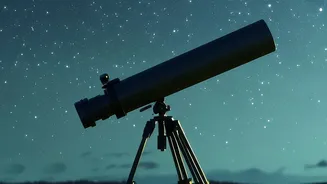


An Escape to the Cosmos
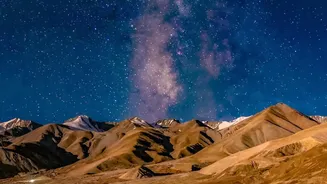
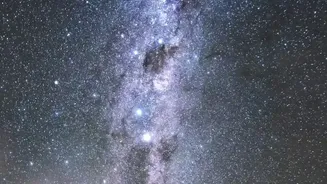
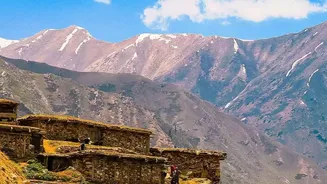
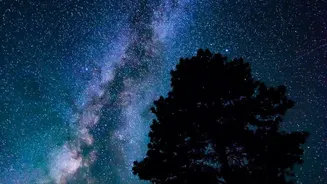
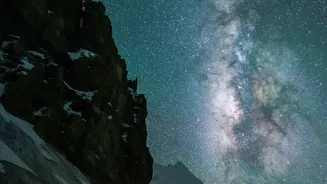
Imagine standing 14,500 feet above sea level, the air thin, crisp, and cold. Above you, the Milky Way isn't a faint, mythical smudge but a brilliant, textured river of light, so clear it feels close enough to touch. This is the nightly spectacle in Langza,
a remote village in the Spiti Valley. For travellers from bustling cities like Delhi, Mumbai, and Bengaluru, the experience is profound. Surrounded by the profound silence of the Himalayas, broken only by the whistling wind, visitors find themselves humbled by the sheer scale of the universe, a perspective easily lost in the glare of urban life.
The Dark Sky Movement
Langza is at the heart of a growing movement to preserve one of nature's most endangered resources: darkness. Spiti Valley is recognized as an ideal location for a Dark Sky Reserve—an area dedicated to minimizing light pollution to protect the natural night environment. Unlike a typical park, a Dark Sky Reserve is a concerted effort involving local communities to adopt responsible lighting practices, like shielded fixtures and warm-toned LEDs. While India's first officially certified Dark Sky Reserve is in Hanle, Ladakh, and Pench Tiger Reserve has been named the country's first Dark Sky Park, the initiative in Spiti aims to follow this path of conservation-led tourism. The goal is to safeguard the pristine skies that make places like Langza a global asset for astronomy.
A Journey to the 'Middle Land'
Getting to Langza is an adventure in itself. Located in Spiti, known as the 'Middle Land' between India and Tibet, the journey involves traversing winding mountain roads through a stark, cold desert landscape. The village is famous not only for its skies but for what lies beneath the ground. It is known as the 'Fossil Village' of Spiti, where ammonites and other marine fossils are found scattered across the land—a reminder that the mighty Himalayas were once under the Tethys Sea. A towering statue of Lord Buddha sits majestically, watching over the valley, creating a spiritual and photogenic backdrop for the celestial drama that unfolds each night.
Community at the Core
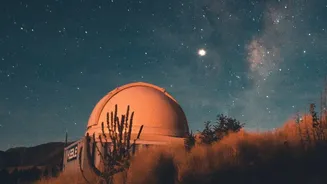
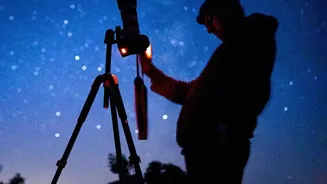
This astro-tourism boom is not just for visitors; it's a lifeline for the local community. In July 2025, the Himachal Pradesh government launched a program to formally boost astro-tourism in the region, distributing high-end telescopes to local youths in Kaza, Langza, and nearby areas. The initiative aims to empower local entrepreneurs, particularly young people and homestay owners, by providing them with training to become astro-guides. This model of community-led tourism ensures that the economic benefits of preserving the night sky flow directly to the people who call this magnificent landscape home, strengthening the local economy and creating sustainable livelihoods.
Why We Seek the Dark
The pull of places like Langza stems from a growing issue in urban India: rampant light pollution. Major cities like Delhi, Mumbai, and Bengaluru now have night skies that are up to 40 or 50 times brighter than natural levels, making all but a few stars invisible. This constant illumination disrupts human sleep cycles and harms wildlife. The search for dark skies is more than a niche hobby; it's a reaction to our disconnect from the natural world. It reflects a desire to witness a sky our ancestors saw nightly and to find a sense of wonder that no screen can replicate.