




The Core Monsoon Problem: Overwatering, Not Underwatering
The irony of monsoon gardening is that the biggest danger isn't a lack of water, but an excess of it. Constant rain, high humidity, and overcast skies mean that pots stay saturated for days. For many plants, this is a death sentence, as waterlogged soil
suffocates roots and invites fungal diseases. The secret to a successful monsoon balcony isn't finding plants that love rain, but rather those that are resilient to its effects. This means choosing species that naturally prefer their soil to dry out, have fleshy leaves to store their own water, and are inherently resistant to rot. The key is to pair these plants with excellent drainage—using pots with holes and a gritty, sandy soil mix. This combination allows the monsoon downpours to drain away quickly, preventing the roots from sitting in stagnant water.
Snake Plant (Sansevieria trifasciata)
Often called the most indestructible houseplant, the Snake Plant is a champion of low-water living. Its thick, upright leaves are designed to store water, making it incredibly drought-tolerant. This quality makes it perfectly suited for the monsoon, as its primary enemy is overwatering. Kept on a covered balcony or a spot shielded from direct, heavy downpours, it will thrive on the ambient humidity alone, requiring almost no manual watering throughout the rainy season. Ensure it's in a well-draining pot, as sitting in water is the one thing it cannot handle. As a bonus, it is also a fantastic air purifier.
ZZ Plant (Zamioculcas zamiifolia)
The ZZ Plant is another hero for forgetful gardeners and a star performer during the monsoon. It thrives on neglect and has underground rhizomes that retain water, meaning it prefers to be on the drier side. Like the Snake Plant, the ZZ Plant is susceptible to root rot if overwatered, so the constant moisture of the monsoon is its main challenge. It's an ideal candidate for a covered balcony where it can enjoy the bright, indirect light and high humidity without getting drenched. Its glossy, dark green leaves add a touch of lushness without demanding any fuss.
Succulents: Jade Plant & Aloe Vera
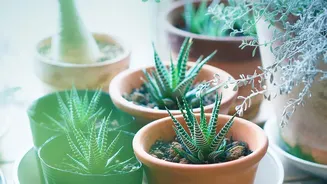
While it seems counterintuitive, many succulents can be great monsoon plants, provided you take one crucial precaution: protect them from direct rain. Species like the Jade Plant (Crassula ovata) and Aloe Vera have fleshy leaves built for arid conditions. During the monsoon, they absorb moisture from the humid air and require very infrequent watering—perhaps only once every few weeks. The key is to keep them under a roof or overhang to prevent their pots from becoming waterlogged. Plant them in a gritty cactus/succulent mix with plenty of sand or perlite to ensure any excess moisture drains away immediately. If you manage their exposure to rain, they will remain healthy and rot-free.
Portulaca (Table Rose)
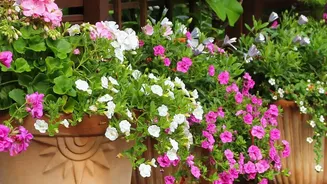
Portulaca, also known as Table Rose or Moss Rose, is a sun-loving plant that genuinely suffers from monsoon excess, making it a perfect "less water" candidate. Its succulent-like leaves indicate its drought-tolerant nature. For it to survive the rainy season, exceptional drainage is non-negotiable. It does best in shallow planters or hanging baskets where water can drain away instantly. While it needs sun to produce its vibrant flowers, you may need to move it under cover during prolonged, multi-day downpours to prevent it from rotting. It prefers to be dry and is one of the few flowering plants that actively dislikes the constant wetness of the season.
Bougainvillea
A common sight across India, Bougainvillea is famously drought-tolerant once established. It thrives in full sun and actually flowers best when its roots are slightly restricted and the soil is not overly moist. This makes it a surprisingly good candidate for monsoon balcony gardening. The main condition is that it must be in a pot with excellent drainage. While it can handle getting rained on, it will not tolerate sitting in a waterlogged container. For balconies, growing it in a large but well-draining pot and ensuring it gets at least 5-6 hours of sun will keep it happy through the wet months, rewarding you with brilliant colour.
Tulsi (Holy Basil)
Almost every Indian home has a Tulsi plant, and it is known for its hardiness. Tulsi loves the warmth and humidity of the monsoon, which encourages vigorous growth. However, it dislikes constantly soggy roots. While it can handle rain, lashing downpours can damage its stems, and waterlogged soil can lead to rot. For a balcony, the ideal spot is one that receives 4-6 hours of sun but is partially sheltered from the heaviest rain. Plant it in a well-draining soil mix and let the surface dry out slightly between waterings; the monsoon rains might be enough to sustain it without any extra help from you.