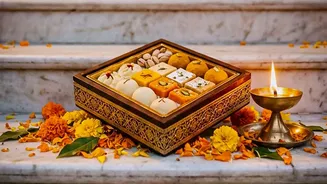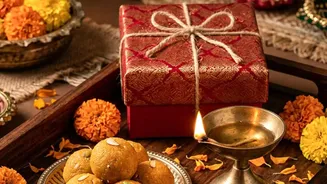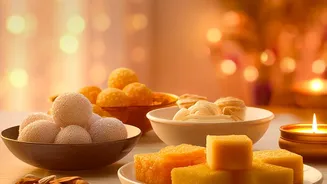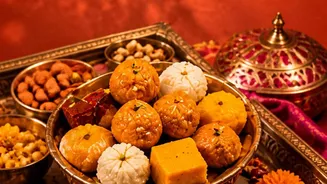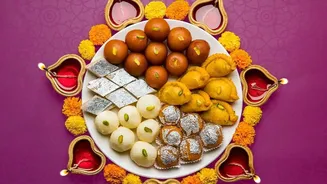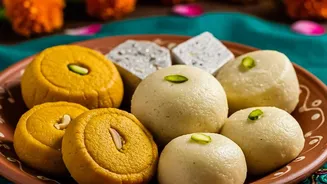

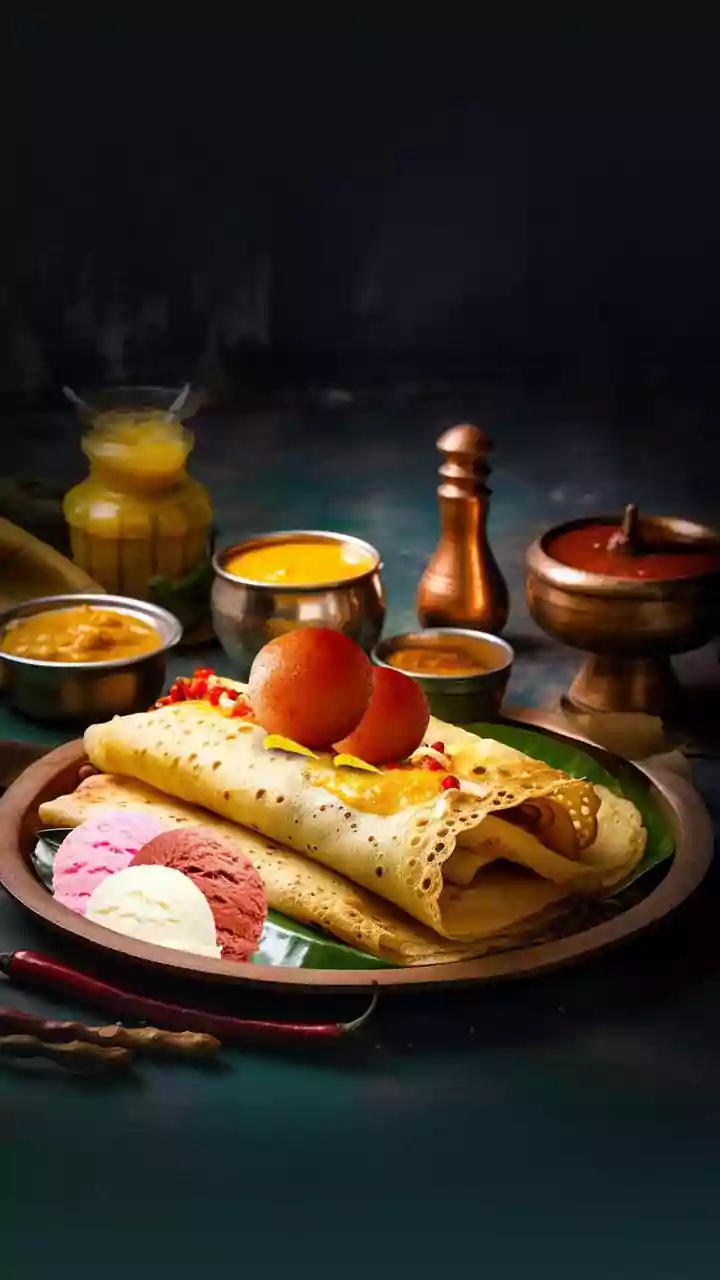
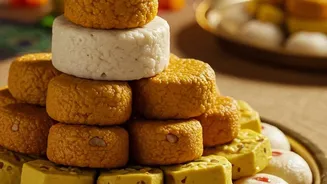
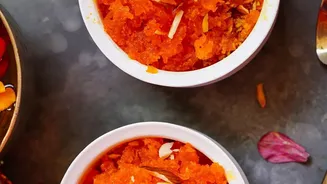
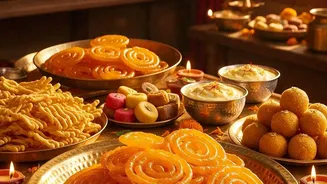
The magic of Diwali is incomplete without the aroma of homemade sweets. But pleasing everyone, from grandparents who love timeless classics to kids who want something fun, can be a challenge. Here’s how to cater to every taste at the table.
For the Traditionalists: Timeless Classics
Some family
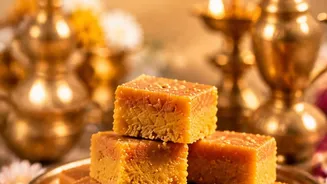
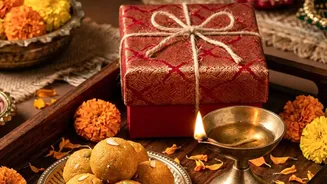
members find comfort in the classics, the sweets that have defined Diwali for generations. For them, nothing beats a perfectly made Besan Ladoo or a melt-in-the-mouth Mysore Pak. Besan Ladoo, made by patiently roasting gram flour in ghee until it turns nutty and aromatic, is a nostalgic favourite. Another cherished classic is Gulab Jamun, where soft, deep-fried milk-solid balls are soaked in a fragrant sugar syrup. These sweets are not just desserts; they are carriers of tradition and evoke memories of Diwalis past. Preparing them at home connects the family to a rich culinary heritage, making the celebration feel even more special.
For the Health-Conscious: Guilt-Free Indulgence
Festive indulgence doesn't have to mean compromising on health. For family members who are mindful of their sugar intake, there are plenty of delicious alternatives. Dry Fruit Ladoos are a popular choice, naturally sweetened with dates, figs, and raisins, and packed with the goodness of nuts like almonds and walnuts. Another excellent option is to replace refined sugar with jaggery or honey. You can make classics like Coconut Ladoo or Moong Dal Halwa using jaggery for a deeper, more rustic flavour. Baked Gujiyas, instead of deep-fried ones, filled with a mixture of nuts and jaggery, offer the same festive crunch with less fat. These thoughtful adjustments ensure everyone can enjoy the festive treats without worry.
For the Modern Palate: Creative Fusion Sweets
For those who love a surprise, fusion sweets are the perfect way to bring a contemporary twist to the Diwali platter. These innovative desserts blend traditional Indian flavours with Western techniques. Imagine the delight of serving a Rasmalai Tiramisu, where the creamy texture of rasmalai meets coffee-soaked layers of cake, or a Gulab Jamun Cheesecake, which marries the syrupy sweetness of the mithai with the rich tang of cheesecake. Other popular fusion ideas include Gajar Ka Halwa Truffles or Chocolate Barfi, which add a modern, elegant touch to the festivities. These creations are conversation starters and show how beautifully culinary traditions can evolve.
For the Little Ones: Fun and Easy Bites
Getting children excited about traditional sweets is easy when they are fun to look at and eat. Coconut Ladoos are a fantastic choice, as they require minimal cooking and kids can help roll the mixture into balls. Shakarpara, or sweet diamond cuts, are crispy, bite_sized fried flour cookies that are a favourite among children. Chocolate is always a winner, so a simple Chocolate Peda or Chocolate Barfi can be a great way to introduce them to Indian mithai. These sweets are not only delicious but also offer a wonderful opportunity to involve kids in the kitchen, making the festival a hands_on experience for them.
Tips for a Stress_Free Mithai Session
Making Diwali sweets should be a joyous activity, not a stressful one. A little planning goes a long way. Many sweets can be prepared a day or two in advance. Ladoos and barfis, for instance, store well in airtight containers. It's also helpful to prep your ingredients beforehand—roast the nuts, powder the sugar, and measure everything out. Don’t be afraid to start simple. If you're new to making mithai, choose easy recipes like Coconut Ladoos or Instant Peda, which come together in under 30 minutes. Most importantly, involve the family. Turning sweet_making into a group activity shares the workload and creates lasting memories, which is what the festival of lights is all about.