

Why Seasonal Eating is Crucial in Monsoon
The shift from dry heat to damp humidity affects the body significantly. According to traditional Indian and Ayurvedic wisdom, the digestive system, or 'Agni', becomes weaker during the rainy season. This makes us more susceptible to issues like bloating,
indigestion, and stomach infections. Foods that are naturally harvested during this time are lighter and easier to digest. They contain the specific nutrients and properties needed to counteract the dampness, boost immunity, and keep common monsoon illnesses at bay. Opting for seasonal produce also means you are getting the freshest, most nutrient-dense food available, as it is grown and harvested at its natural peak.
Your Monsoon Vegetable Basket
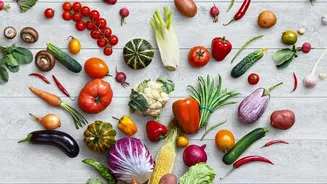
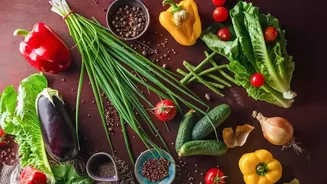
Forget exotic imports and stick to the humble, locally grown vegetables that thrive during the Indian monsoon. These are not only easy on the stomach but are also packed with benefits tailored for the season. When preparing them, it's best to opt for warm, cooked meals like soups, stews, or simple stir-fries rather than raw salads, as cooking helps eliminate germs that flourish in the humid weather. Be sure to wash all produce thoroughly before cooking.
Embrace Gourds and Tubers
Vegetables like bottle gourd (lauki), bitter gourd (karela), and ridge gourd (turai) are monsoon staples for a reason. They are rich in water, low in calories, and incredibly easy to digest, making them perfect for a sluggish monsoon digestive system. Bitter gourd, in particular, is known for its infection-preventing properties. Another powerhouse is turmeric, a root that is widely celebrated for its antiseptic and anti-inflammatory qualities, making it a must-add to your meals. Sweet potatoes and corn are also excellent choices, providing sustained energy and essential fibre.
Power-Packed Seasonal Fruits
The monsoon offers a delightful bounty of fruits that are perfect for strengthening your body’s defences. These fruits are typically rich in Vitamin C and other antioxidants that are crucial for a strong immune system. Instead of cold, pre-cut fruit platters, which can be a source of contamination, enjoy these fruits fresh and whole.
Jamun, Plums, and Pomegranate
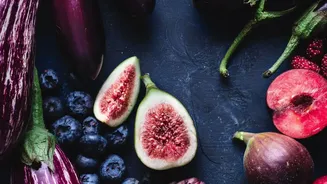
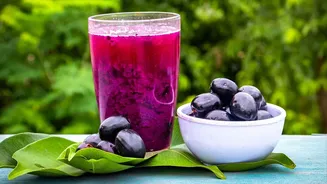
The Indian blackberry, or Jamun, is a quintessential monsoon fruit. It is low in calories but high in iron, potassium, and antioxidants that aid digestion and help manage blood sugar levels. Plums (aaloo bukhara) are another seasonal gem, packed with fibre and immunity-boosting vitamins. Pomegranates, which are also widely available, are excellent for improving haemoglobin levels and overall vitality. Other great fruit choices for the season include pears, peaches, and cherries.
Essential Spices and Kitchen Habits
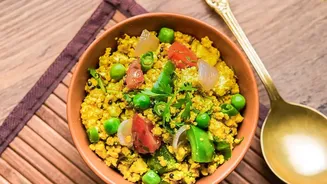
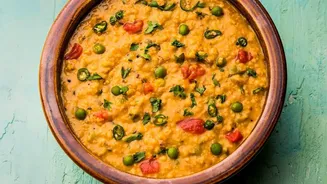
Beyond fruits and vegetables, certain kitchen staples play a vital role. Spices like ginger, garlic, and black pepper have natural antibacterial and anti-inflammatory properties that aid digestion and help fight infections. Incorporating them into your daily cooking through herbal teas, soups, or dals is a simple and effective habit. Traditional wisdom also advises eating warm, freshly prepared meals and avoiding heavy, oily, and street foods, which are harder to digest and carry a higher risk of contamination. Simple meals like khichdi are considered ideal during this season as they are nourishing yet light on the stomach.