






The Dawn of the Fourth Meal
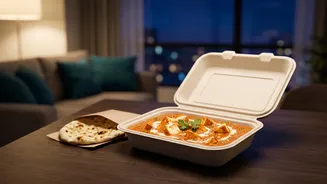
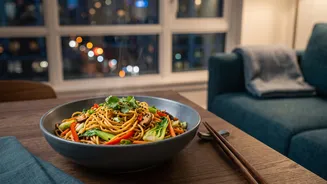
The traditional rhythm of breakfast, lunch, and dinner is being rewritten in India's urban centres. A new dining occasion, often called the 'fourth meal', has firmly taken root between 11 PM and 3 AM. Food delivery platforms have been central to this
shift, transforming late-night eating from a niche necessity into a mainstream habit. Over the past few years, late-night delivery volumes have surged, with some reports noting that orders have doubled in a single year, reflecting a broader lifestyle change. This trend is driven by a young demographic with later sleep schedules, the rise of remote and flexible work hours, and the culture of binge-watching entertainment deep into the night. Major platforms like Swiggy and Zomato now feature dedicated 'late-night cravings' sections, making post-dinner ordering a seamless part of daily life.
From Maggi and Leftovers to Biryani and Burgers
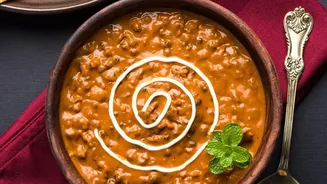
The late-night menu has undergone a dramatic upgrade. While instant noodles once dominated the midnight snack scene, today's choices are vast and varied. According to data from delivery platforms, the most popular late-night orders include pizzas, burgers, and biryani. These comfort foods often serve as a reward after a long day or a way to unwind. Desserts have also carved out a significant space in the late-night market, with items like chocolate cake, waffles, and ice cream seeing a major spike in orders after dinner. This expansion of choice means consumers are no longer limited by what's in their own kitchen. Instead, they can access everything from single-serving desserts to full meals suitable for group orders, like pizzas and biryani combos for late-working teams or friends watching a match.
The Engine Room: Cloud Kitchens and 24/7 Operations
This round-the-clock food availability is powered by a revolution in the restaurant industry: the rise of cloud kitchens. These delivery-only establishments, also known as ghost kitchens, operate without a physical storefront, drastically reducing overhead costs and allowing them to focus exclusively on fulfilling online orders. Many of these kitchens are designed specifically to cater to the late-night rush, a time when traditional dine-in restaurants are closed. This has created a new economic ecosystem, enabling food entrepreneurs to tap into a growing market with lower initial investment. In response to the demand, major fast-food chains like McDonald's and Domino's have also extended their operating hours, with many outlets now delivering until 3 AM or even later. The entire system is supported by quick-commerce platforms and a fleet of delivery partners who navigate the quiet city streets to make these midnight meals possible.
A Pan-India Phenomenon
While metro cities like Bengaluru, Hyderabad, and Mumbai lead in late-night order volumes, this trend is no longer confined to the biggest urban hubs. Double-digit growth in late-night orders has been reported in Tier-2 and Tier-3 cities such as Lucknow, Bhubaneswar, Surat, and Patna. This indicates a widespread shift in consumer behaviour across the country, driven by increasing smartphone penetration and the expansion of delivery networks. Platforms are actively targeting this growth; Swiggy's "Late Night Eats" program, for example, caters specifically to professionals working late hours in over 30 cities, highlighting the growing economic importance of the night-time economy beyond just residential orders.
The Social and Health Implications
The convenience of late-night food delivery comes with its own set of considerations. On one hand, it offers a practical solution for night-shift workers, students pulling all-nighters, and anyone with a non-traditional schedule. On the other hand, health experts point to potential downsides. Late-night meals often tend to be higher in calories, salt, and unhealthy fats. The habit of eating a large meal shortly before sleeping can also affect digestion and metabolic health. The choice is often driven by stress and a lack of meal planning, with readily available comfort food providing an easy, if not always healthy, solution after a demanding day. As the fourth-meal economy grows, the conversation is shifting towards balancing convenience with mindful consumption.