



More Than Just Speed
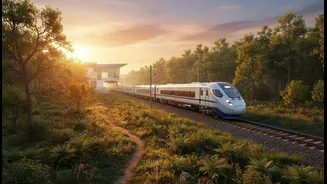
The rapid expansion of the Vande Bharat Express network is part of a deliberate strategy to transform domestic travel in India. It's not just about getting from point A to B faster; it's about redefining the journey itself. Indian Railways is increasingly
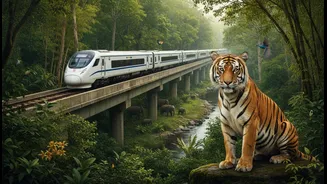
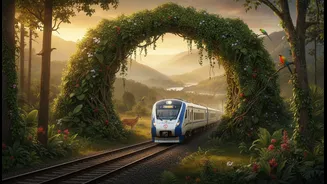
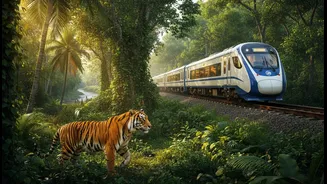
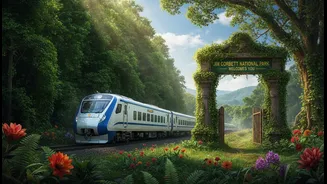
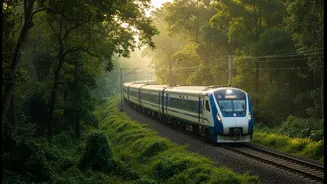
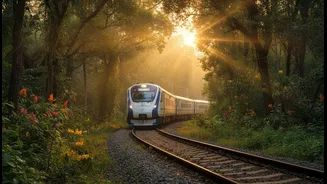
positioning these semi-high-speed trains as a catalyst for tourism, connecting major urban centres with cultural, spiritual, and now, natural heritage sites. This push is making wildlife holidays more accessible and appealing to a new generation of travellers who value both comfort and convenience. By linking cities to the doorsteps of famous national parks and tiger reserves, the Vande Bharat network is encouraging weekend trips and longer explorations that might have previously required complex flight and road combinations.
The Vande Bharat Advantage
So, what makes these trains a game-changer for a wildlife enthusiast? The answer lies in a blend of modern amenities and practical connectivity. The trains are known for their high-speed capability, significantly cutting down on travel time compared to previous rail options. Inside, passengers find comfortable, ergonomic seating and large panoramic windows, perfect for watching the Indian landscape transform from urban sprawl to scenic countryside. This focus on passenger experience, combined with routes that terminate at railway stations just a short drive from major park gates, removes many of the logistical hurdles that once made such trips daunting. It represents a shift toward more seamless and enjoyable travel, where the holiday truly begins the moment you board the train.
Route Guide: The Rajasthan Tiger Trail
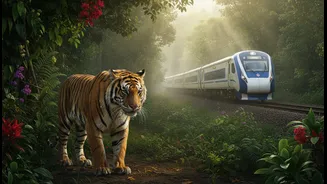
One of the most popular wildlife circuits now made easier is the journey to Ranthambore National Park in Rajasthan. Travellers can board a Vande Bharat service that connects to Sawai Madhopur Junction, the nearest railhead to the park. Famed for its population of Bengal tigers that roam amidst historical ruins, Ranthambore offers a unique blend of nature and history. The convenience of a fast train journey followed by a short road trip makes it possible to plan a weekend safari to spot tigers, leopards, sloth bears, and a variety of bird species without the exhaustion of a long drive.
Route Guide: Southern & Western Safaris
In the south, the Chennai-Mysuru Vande Bharat Express opens up access to Bandipur National Park, a key part of the Nilgiri Biosphere Reserve. After arriving in Mysuru, a scenic two-hour drive takes you to the park, which is home to Asian elephants, tigers, and over 200 species of birds. Meanwhile, in Gujarat, the Sabarmati-Veraval Vande Bharat Express brings travellers closer to Gir National Park, the exclusive home of the Asiatic lion. The nearest station, Veraval, is only about 45 km from the main Sasan Gir safari gate, making it incredibly convenient to visit this world-renowned conservation success story.
Route Guide: The Northeast Rhino Retreat
The Vande Bharat network also extends into Northeast India, providing a vital link to Assam’s natural treasures. By taking a train to Guwahati, travellers can embark on a road journey to the celebrated Kaziranga National Park, a UNESCO World Heritage Site. Kaziranga is globally famous for its thriving population of the one-horned rhinoceros. Beyond rhinos, the park's vast grasslands are home to elephants, tigers, and wild water buffalo, offering a comprehensive wildlife experience in one of India's most biodiverse regions.
Travel and Conservation Hand-in-Hand
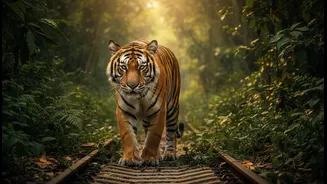
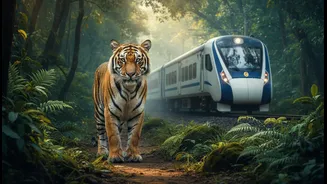
While this enhanced connectivity is a boon for tourism, it also raises important questions about conservation. Increased human presence near sensitive wildlife corridors requires careful management. Encouragingly, Indian Railways is also investing in technology to mitigate human-animal conflict. Initiatives like the AI-powered 'Gajraj Suraksha' system use optical fibre cables along tracks to detect elephant movements and alert train drivers in real-time. Furthermore, extensive surveys have identified railway stretches in elephant and tiger ranges where mitigation measures like underpasses, ramps, and fencing are being planned or implemented to ensure safer passage for wildlife. This two-pronged approach—boosting access while simultaneously enhancing safety measures—is the true 'bigger story' behind these new travel opportunities.