






A Climate Pattern with Global Reach
El Niño is a naturally occurring climate phenomenon defined by warmer-than-average sea surface temperatures in the central and eastern Pacific Ocean. This warming alters atmospheric circulation worldwide, disrupting typical weather patterns. For India,
it often means a weaker southwest monsoon, the season that delivers about 70% of the country's annual rainfall. The current event is developing rapidly and is forecast to be particularly strong, with some scientists calling it a potential 'super El Niño' that could be one of the most intense since the 19th century. While the term 'super El Niño' is not an official category used by the India Meteorological Department (IMD), the strengthening event is being monitored closely for its potential impacts.
A Weaker, More Erratic Monsoon
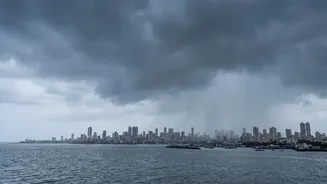
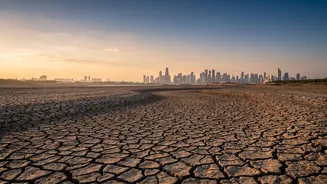
The most immediate consequence for India is on the monsoon. As of late August 2026, rainfall across the country is already 13% below normal, with some sources predicting the season could end with a deficit as high as 15%, the lowest since 2009. Around 40% of the country has seen rainfall shortfalls of 20% or more. Paradoxically, a weaker monsoon doesn't always mean less flooding. Studies show that El Niño can lead to fewer rainy days overall but more intense, concentrated downpours when it does rain, increasing the risk of localised flooding even within a drought-prone season. This erratic pattern makes water management exceptionally difficult for both authorities and farmers.
Reservoirs Under Strain
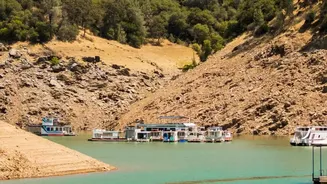
Deficient rainfall directly translates to lower water levels in India's critical reservoirs. These reservoirs are the backbone of the country's water security, supplying water for drinking, industry, and, most importantly, agriculture. A weaker monsoon means less runoff to replenish these storage systems, putting immense pressure on water availability for the Rabi (winter) crop season and for urban centres in the months ahead. States are already taking action; Andhra Pradesh, facing a staggering 51% rainfall deficit, has deployed a contingency plan that includes promoting low-water crops and advancing water release from certain reservoirs to manage the shortfall. The situation highlights the cascading effect from rainfall to resource scarcity.
Stress on the Farm
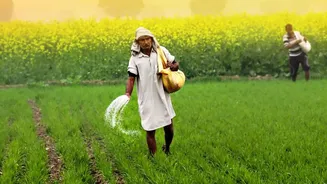
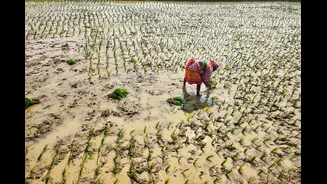
Agriculture is on the front lines of El Niño's impact. The Kharif (summer) crops, which are heavily dependent on monsoon rains, are particularly vulnerable. Key crops like cotton, soybean, corn, and pulses are facing moisture stress during crucial growth stages due to the lack of September rain. Poor soil moisture also threatens the prospects for the upcoming winter crops, such as wheat and rapeseed. While states with extensive irrigation like Punjab and Haryana may be partially insulated, a significant portion of Indian agriculture remains rain-fed. The government has identified over 300 districts as potentially vulnerable and is advising farmers on contingency measures, but the risk of lower yields and reduced farm incomes remains high.
The Pinch at the Market
The chain of events that starts in the Pacific Ocean inevitably ends at the local market. Lower agricultural output leads to tighter supplies, and when supply is down, prices go up. This phenomenon, sometimes called 'climateflation', is a direct threat to household budgets. Economists warn that a strong El Niño can cause a significant surge in global food commodity prices. In India, this could manifest as higher prices for staples like rice, sugar, and vegetables. Even before the full impact is felt, retail inflation has already been inching upward, driven partly by food prices. For the average consumer, this means the cost of the daily thali is directly linked to these large-scale climate patterns.