


The Simple Science of Size
The magic behind this kitchen hack is a concept called the surface-area-to-volume ratio. Imagine you have a large potato. It has a certain amount of outside surface and a lot of dense inside volume. Heat has to travel from the outside all the way to the center,
which takes time. Now, imagine cutting that same potato into eight small cubes. The total volume of potato is the same, but you've dramatically increased the amount of surface area that's exposed to the heat of the oven or pan. With more surface to attack, heat can penetrate each smaller piece much more quickly and cook it through in a fraction of the time. It's the difference between melting a large block of ice versus a handful of crushed ice; the crushed ice, with its greater surface area, melts far faster.
More Than Just Speed
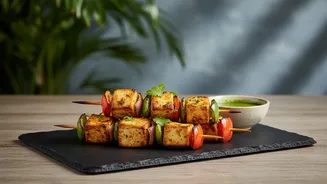
Cutting food into smaller pieces doesn’t just save you time; it can also lead to tastier results. More surface area means more opportunity for browning and crisping. This browning is a result of the Maillard reaction, a chemical process between amino acids and sugars that creates hundreds of delicious new flavour compounds. Think of the crispy edges on roasted vegetables or the savoury crust on a seared steak. By cutting your food into smaller, uniform pieces, you create more of that desirable surface, leading to more flavour in every bite. This principle also applies to marinades. Smaller pieces of meat or vegetables will absorb a flavourful marinade more quickly and thoroughly than a single large piece.
Putting It Into Practice
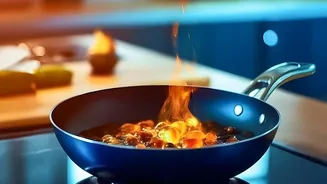
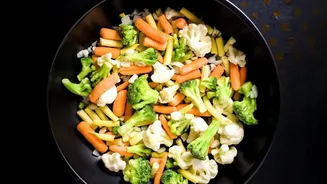
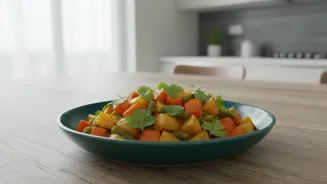
Applying this concept is easy. For a quick weeknight stir-fry, slice your chicken and dense vegetables like carrots and broccoli thinly so they cook in minutes. If you're roasting root vegetables like potatoes or sweet potatoes, cutting them into smaller, uniform one-inch cubes instead of large, irregular chunks can shave significant time off your roasting. Even ground meat follows this rule; a thin patty or crumbled mince cooks much faster than a thick meatloaf because the heat can access more of the meat at once. The key is consistency. Cutting your ingredients to a similar size and thickness ensures that everything cooks at the same rate, preventing some pieces from becoming mushy while others are still raw.
When Bigger Is Better
While cutting things small is great for speed, there are times when a larger piece of food is exactly what you want. For low-and-slow cooking methods like braising a pot roast or smoking a pork shoulder, a large cut is essential. The longer cooking time is needed to break down tough connective tissues into tender gelatin, and the lower surface-area-to-volume ratio helps the meat retain moisture over the long cook. A whole roasted chicken will be juicier than if you were to roast all the individual parts separately, as the larger form protects the interior from drying out. Similarly, if you want a steak with a truly rare center, a thicker cut is necessary to allow you to get a deep sear on the outside without overcooking the inside.