




First, Why Does It Smell So Bad?
Before you can defeat the enemy, you have to understand it. That distinct, sharp odour is primarily ammonia, which is released when bacteria in the litter box begin to break down the urea in your cat's urine. This process is supercharged by moisture and warmth,
making a damp litter box an ideal breeding ground for smelly bacteria. Fecal odours and other compounds contribute to the problem, but ammonia is the main offender that can quickly take over a room. If the smell persists even after a fresh scoop, it might be due to urine residue soaking into the plastic of the box itself.
The Golden Rule: Scoop Daily
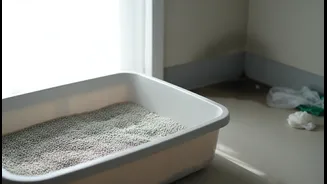
There is no magic wand, but there is a golden rule: scoop the litter box at least once a day. Twice is even better, especially in a multi-cat household. Daily scooping removes waste before the ammonia-producing bacteria can get to work. It's the single most effective habit you can adopt. This not only keeps smells at bay but also encourages your cat to consistently use their box, as many felines will avoid a dirty toilet. Keeping the litter level consistent, around two to three inches, also helps ensure there's enough material to absorb waste without creating a sludgy mess at the bottom.
Choose Your Litter Wisely
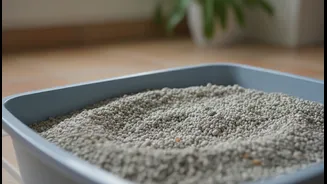
The type of litter you use is your front-line defence. Clumping clay litters are popular for a reason; they form tight, solid clumps around waste, trapping odours and making scooping easy and efficient. Many brands now include odour-absorbing additives like activated charcoal or baking soda. For those seeking natural alternatives, litters made from pine, corn, wheat, or walnut shells can also be effective, though their performance varies. Crystal litter, made of silica gel, is highly absorbent and excellent at odour control, often lasting longer than other types, but some cats dislike the texture. The key is to find an unscented or lightly scented option that your cat will actually use. A strong perfume can be a turn-off for a cat's sensitive nose.
The Deep Clean Is Non-Negotiable
Even with daily scooping, you need to perform a regular deep clean. Depending on the type of litter and number of cats, plan to completely empty the box, scrub it, and refill with fresh litter every one to four weeks. Use a mild, unscented soap and warm water. Harsh chemicals or scented detergents can leave a residue that offends your cat and may even deter them from using the box. Over time, plastic litter boxes can get tiny scratches that trap bacteria and odour. Plan on replacing the plastic box entirely every one to two years to ensure you're always starting with a fresh, clean surface.
Location and Ventilation Matter
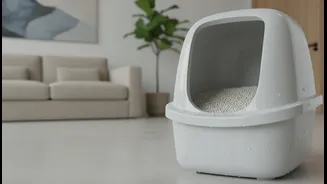
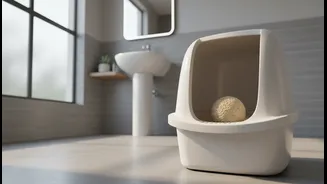
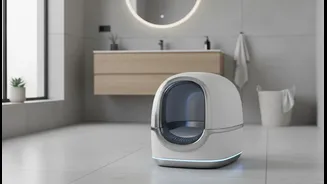
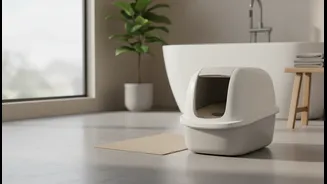
Where you place the litter box has a significant impact on odour control. Avoid small, enclosed spaces like closets, which concentrate smells. A well-ventilated area is best to help dissipate odours before they build up. Also, consider your cat's comfort. They prefer quiet, low-traffic areas where they won't be startled. And a cardinal rule: never place the litter box near your cat's food and water bowls. For multi-cat homes, the standard recommendation is one litter box per cat, plus one extra, placed in different locations to prevent territorial issues.
Helpful Add-Ins and Final Tips
If you need an extra boost, a sprinkle of baking soda at the bottom of the box can help neutralize odours. There are also many commercial litter deodorizers, but use them with caution. Opt for fragrance-free versions with ingredients like activated charcoal, and always check that they are cat-safe. Some products with essential oils can be toxic to cats. An air purifier with a HEPA and carbon filter placed near the box can also work wonders by trapping airborne odour particles.