






Guarding Against Mosquitoes
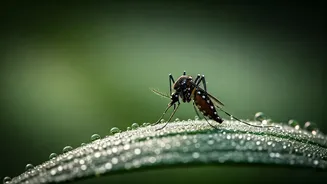
The monsoon is peak breeding season for mosquitoes. Puddles, waterlogged pots, and any form of stagnant water become breeding grounds for insects that transmit serious diseases. Dengue, malaria, and chikungunya are three of the most common mosquito-borne
illnesses that see a spike during this time. India contributes significantly to the global burden of both dengue (34%) and malaria (11%) cases, with incidents rising sharply during the rains. Symptoms to watch for include high fever, severe headache, joint and muscle pain, chills, and rashes. The best defence is prevention: use mosquito nets and repellents, wear long-sleeved clothing, and diligently clear any standing water around your home, including in coolers and plant trays.
The Danger in Contaminated Water
Heavy rainfall can overwhelm sanitation systems, leading to the contamination of drinking water sources with sewage and other waste. This creates a high risk for waterborne diseases. Nearly 70% of disease outbreaks in India are waterborne. Illnesses like cholera, typhoid, hepatitis A, and gastroenteritis become much more common. These are primarily caused by consuming contaminated food or water. Symptoms often include diarrhoea, vomiting, stomach cramps, and fever. To protect yourself, always drink boiled or purified water. Avoid street food, especially items like chaat and pre-cut fruits, which can be exposed to contaminated water. Thoroughly wash all fruits and vegetables with clean water before consumption.
Viral Fevers and The Flu
Sudden fluctuations in temperature and high humidity during the monsoon create an ideal environment for viruses to thrive. This leads to a rise in cases of the common cold, flu, and other viral fevers. These infections are easily transmitted through the air and are often marked by a runny nose, sore throat, cough, body aches, and fever. While generally mild, they can be particularly risky for children, the elderly, and those with weakened immune systems. Building a strong immune system is a key preventive measure. Ensure a balanced diet rich in Vitamin C, get adequate sleep, and try to incorporate some form of regular indoor exercise like yoga to stay active when outdoor activities aren't possible.
Skin Infections and Fungal Issues
The constant dampness and humidity in the air can lead to a host of skin problems. Walking through waterlogged streets can expose your skin to harmful bacteria, leading to infections like leptospirosis, which is spread through water contaminated with animal urine. Fungal infections of the skin and feet are also very common due to wearing damp clothes or wet shoes for extended periods. It's crucial to stay as dry as possible. If you get wet in the rain, change into dry clothes immediately. Pay special attention to drying your feet and the areas between your toes. Wearing open, waterproof footwear can help, as can using antifungal powders in areas prone to sweating.
Simple Habits for a Healthy Monsoon
Beyond specific precautions, a few general habits can significantly lower your risk of falling ill. Personal hygiene is paramount. Wash your hands frequently with soap and water, especially before meals and after being outdoors. Keep your home environment clean and dry, allowing for ventilation when it's not raining to reduce indoor humidity. Be mindful of your diet by opting for fresh, home-cooked meals over outside food. Including immunity-boosting foods like ginger, turmeric, and citrus fruits in your diet can also be beneficial. These simple, consistent actions form a strong defence against the health challenges of the season.