



Why October is Saturn's Month
The main event is an astronomical phenomenon known as opposition. Around mid-October 2026, Earth will be positioned directly between the Sun and Saturn. This alignment means two things for us on the ground: Saturn will be at its closest point to Earth,
making it appear larger and more brilliant. Secondly, the planet will rise in the east just as the sun sets in the west, remaining visible for the entire night. This provides a generous viewing window for everyone, from casual observers to dedicated astronomers. It’s the perfect opportunity to marvel at one of the solar system’s most iconic sights.
When and Where to Look
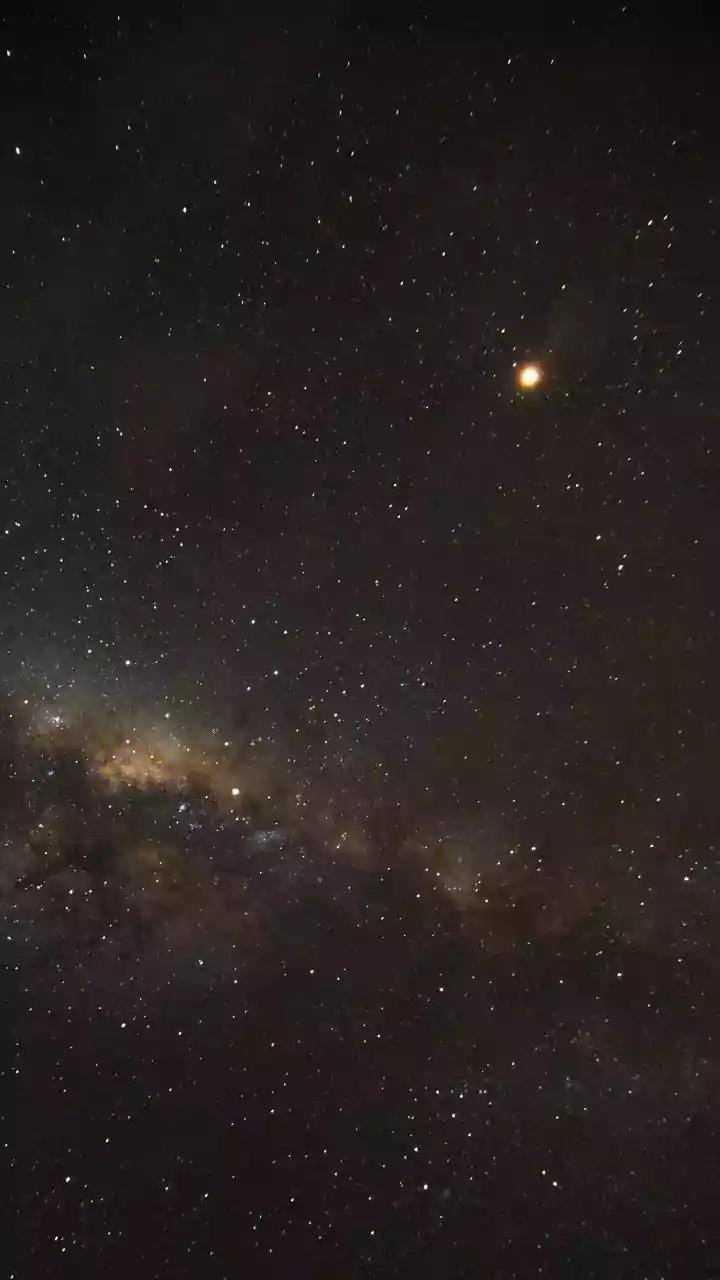
The peak of the opposition occurs around the middle of the month, but the entire month of October offers prime viewing opportunities. Look for Saturn in the constellation Aquarius. To locate it, find a spot with a clear view of the eastern horizon shortly after sunset. Saturn will appear as a bright, non-twinkling, yellowish 'star'. Unlike true stars that twinkle due to atmospheric distortion, planets shine with a steady light, which makes Saturn relatively easy to distinguish. As the night progresses, it will trace an arc across the southern sky, setting in the west before sunrise. Several smartphone apps can help you pinpoint its exact location from your specific city in India.
Your Guide to Viewing
The beauty of this event is its accessibility. You don’t necessarily need expensive equipment to enjoy the show. A simple naked-eye observation allows you to appreciate Saturn's brightness and steady glow against the backdrop of distant stars. It’s a peaceful way to connect with the cosmos from your own balcony or rooftop. For a better view, a standard pair of binoculars will work wonders. While they may not resolve the rings with perfect clarity, they will reveal Saturn as a distinctly non-circular object, an elongated oval of light. You might even glimpse its largest moon, Titan, appearing as a faint star-like point very close to the planet itself.
Unlocking the Rings
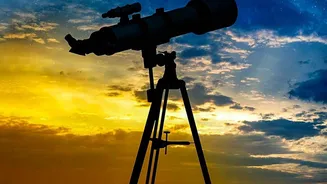
To truly witness Saturn in all its glory, a telescope is required. Even a small, entry-level telescope with a magnification of 50x or more can provide a breathtaking view. This is where the planet’s famous rings become clearly visible, a sight that has captivated astronomers for centuries. With a decent telescope and stable viewing conditions, you might even be able to spot the Cassini Division, a faint gap between the main A and B rings. Depending on the telescope's power and the clarity of the sky, other smaller moons like Rhea, Dione, and Tethys may also appear as tiny pinpricks of light orbiting the planet. Local astronomy clubs in major Indian cities often host public viewing events during such oppositions, offering a chance to look through powerful telescopes.
Tips for Urban Skywatchers
Viewing from a brightly lit Indian city can be challenging, but not impossible. The key is to minimize the effects of light pollution. Try to find the darkest possible spot available to you, such as a park, a high rooftop, or an area away from direct streetlights. Give your eyes at least 15-20 minutes to adapt to the darkness; this will significantly improve your ability to see fainter objects. Patience is crucial. Wait for moments of steady air, as atmospheric turbulence can make the view blurry. Even with city lights, Saturn is bright enough to put on a great show, so don't be discouraged if you can't travel to a remote dark-sky location.