




As the festive season approaches, the annual conversation around firecrackers is shifting. City-wide regulations and court orders are tightening rules, making it crucial for residents to understand why traditional crackers are being banned.
The Driving Force Behind the Bans
The push to
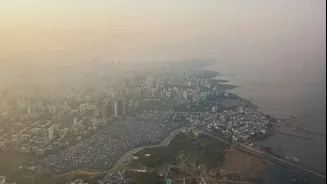
regulate firecrackers is a direct response to a public health and environmental crisis. Major cities like Mumbai and Delhi have seen alarming spikes in air and noise pollution during festival seasons, often surpassing hazardous levels. The Bombay High Court recently noted that Mumbai's pollution levels were even worse than Delhi's. Traditional firecrackers release a cocktail of harmful pollutants, including fine particulate matter (PM2.5), sulphur dioxide, and heavy metals like barium. These toxins contribute to dense smog and pose serious health risks, particularly for children, the elderly, and individuals with respiratory conditions like asthma. In response, courts and local authorities have implemented strict measures, including outright bans on bursting firecrackers on public roads and in designated 'silence zones' near hospitals and schools.
What Are 'Certified Alternatives'?
The primary certified alternative is the 'green cracker'. Developed by the Council of Scientific and Industrial Research-National Environmental Engineering Research Institute (CSIR-NEERI), these are not pollution-free but are designed to be significantly less harmful. Green crackers reduce particulate matter emissions by at least 30% and do not contain highly toxic chemicals like barium nitrate, arsenic, and lead. They also produce less noise, with levels generally capped at 125 decibels at a four-metre distance, as per regulatory guidelines. There are three main types: SWAS (Safe Water Releaser), which releases water vapour to suppress dust; STAR (Safe Thermite Cracker), which uses less potassium nitrate and sulphur; and SAFAL (Safe Minimal Aluminium), which reduces noise.
How to Identify Genuine Green Crackers
With the market potentially flooded with fakes, identifying authentic green crackers is essential. Every box of genuine green crackers must feature two key identifiers. First, look for the official CSIR-NEERI green logo printed on the packaging. Second, the box must have a scannable QR code. Using a dedicated app, this QR code allows you to verify the manufacturer's details and confirm that the product is certified by NEERI. Any product simply marketed as 'green' without these official marks is likely not a certified, legal alternative. Consumers should purchase only from licensed sellers and be wary of unbranded boxes or loose crackers.
Rules, Penalties, and Enforcement
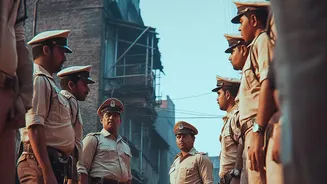
Regulations are not uniform and can vary significantly by city and state. In late 2026, courts across the country, including the Supreme Court, have been reinforcing a balanced approach: rejecting a blanket, nationwide ban but insisting on strict, regulated use. Many cities have established specific time windows for bursting crackers, often a twond hour period in the evening. For instance, cities like Pune and Mumbai have banned bursting crackers on public roads, footpaths, and near silence zones. Violators face serious consequences, including fines and criminal cases under laws like the Environment Protection Act and the Explosives Act. Police departments have been directed to form standard operating procedures to enforce these rules and have encouraged residents to report illegal sales or use.
The move towards certified alternatives represents more than just a regulatory hurdle; it signals an evolution in how communities celebrate. The emphasis is shifting from loud, polluting displays to safer, more environmentally conscious festivities. While green crackers are an important step, they are a 'lesser polluting' option, not a 'zero pollution' one. Experts and authorities encourage a mindset of moderation. The goal is to balance cherished cultural traditions with the collective responsibility for public health and environmental well being. This transition requires public awareness and a willingness to adapt ensuring that the spirit of celebration does not come at the cost of clean air and safety for all.