


The Key Drivers of Change
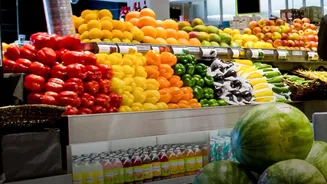
Several powerful forces are reshaping India's snack aisles. A surge in health consciousness, amplified by the pandemic, has made consumers more mindful of what they eat. Concerns about lifestyle diseases like obesity and diabetes are encouraging people
to seek healthier alternatives to traditional fried snacks. This shift is coupled with the reality of modern urban life; busy schedules and long commutes leave little time for elaborate food preparation, making convenience a non-negotiable factor. Rising disposable incomes also empower consumers to spend more on premium and specialised food products that align with their wellness goals. According to market forecasts, India's healthy snacks market is projected to grow significantly, with some estimates suggesting it could reach over USD 9 billion by 2035.
Redefining the Indian Snack
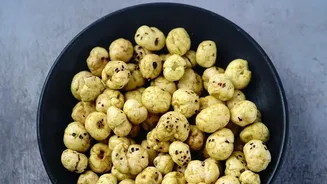
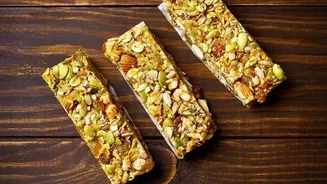
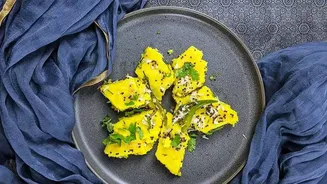
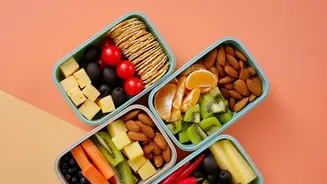
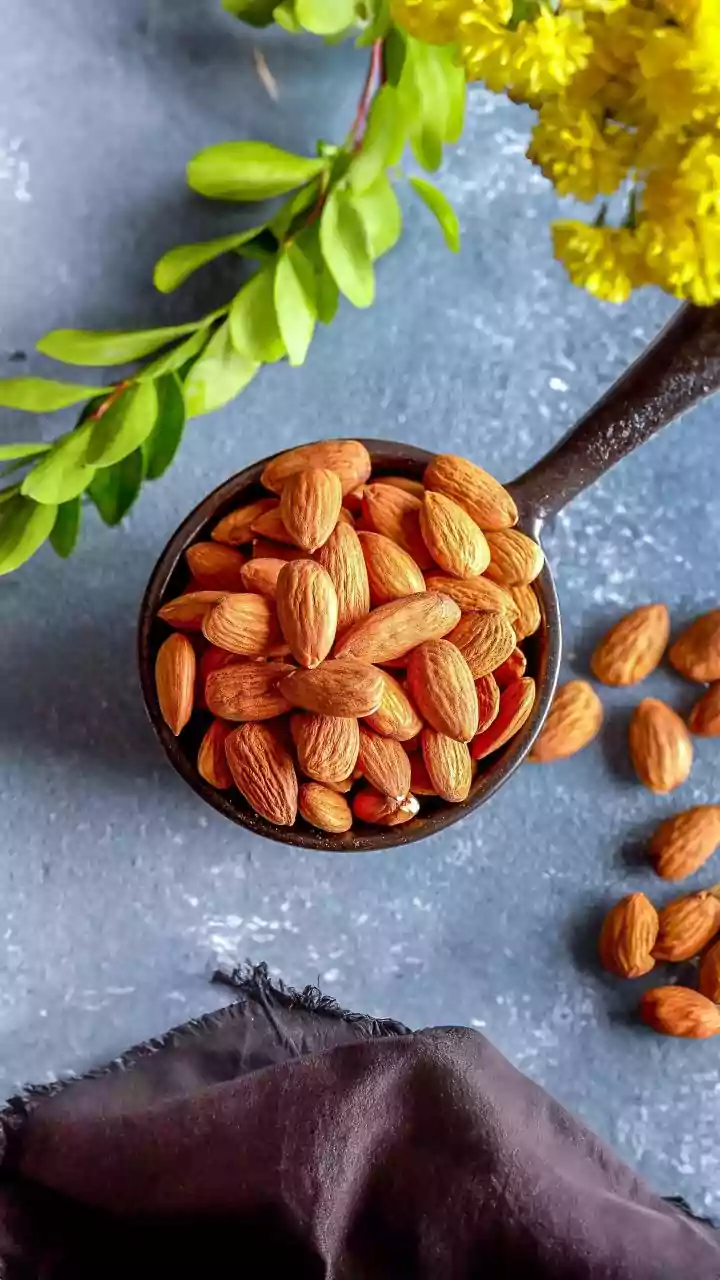
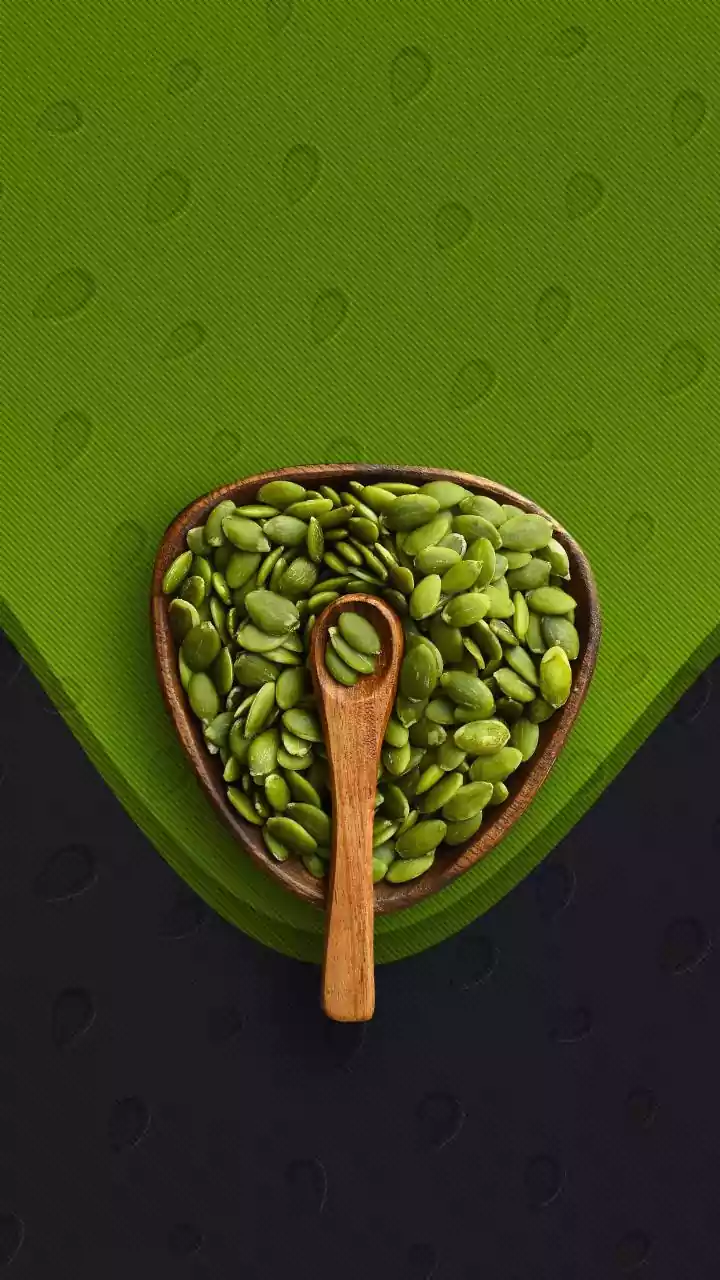
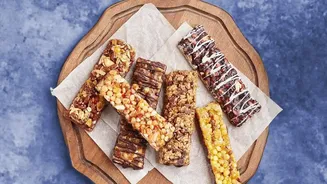
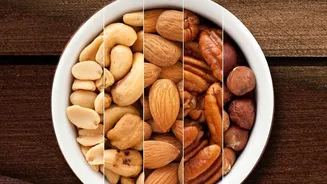
So, what are people eating? The new healthy snack landscape is diverse and innovative. Traditional ingredients are being reinvented for the modern palate. Roasted makhana (fox nuts), once a fasting food, is now a mainstream alternative to potato chips, available in various flavours. Millets like jowar, bajra, and ragi are no longer just staples but are appearing in crackers, puffs, and cookies, fueling a market segment growing at over 20 percent annually. Nuts, seeds, and trail mixes are being positioned as everyday on-the-go snacks instead of festive ingredients. Other popular options include protein bars, Greek yogurt, baked or air-popped multigrain chips, and roasted chickpea snacks. The common thread is a move away from deep-frying and refined flour towards methods like baking and roasting and ingredients that offer functional benefits like protein and fibre.
The Generational Shift
This transformation is largely being led by younger consumers, particularly Millennials and Gen Z. These generations grew up with greater exposure to global trends and are more digitally savvy, often researching products and reading labels before making a purchase. According to one recent survey, ingredient transparency was the most important factor for 62% of respondents when choosing a snack brand. This digitally native cohort is also driving the success of direct-to-consumer (D2C) brands that specialise in healthy snacks. Brands like The Whole Truth, Yoga Bar, and Farmley have successfully built a following by communicating their focus on clean labels, natural ingredients, and transparent sourcing directly to consumers online.
Taste Remains King
While nutrition is a growing priority, taste is still the ultimate deciding factor. A recent consumer insights study found that while 72% of people seek functional benefits from their snacks, a massive 94% are unwilling to sacrifice flavour for health. The success of the new wave of snacks lies in their ability to deliver both. Brands are infusing healthy bases like millets and makhana with popular regional spices and contemporary flavours to make them more appealing. The emphasis is on 'functional indulgence'—snacks that are both tasty and contribute positively to wellbeing. Furthermore, consumers are showing a willingness to pay more for snacks that deliver on this promise; one report found that nearly a third of respondents would pay a premium for protein-rich products.
The Industry's Response
The food industry, from large legacy companies to agile startups, is taking note. The market is buzzing with innovation, as brands rush to meet the evolving demand. Supermarkets and hypermarkets remain the dominant distribution channels, but online platforms, including quick-commerce apps like Blinkit and Zepto, are the fastest-growing segment. These platforms make discovering and purchasing healthy snacks easier than ever. The rise of 'clean-label' products—those with simple, natural, and easy-to-understand ingredients—is a clear response to consumer demand for transparency. Many now prefer snacks sweetened with natural alternatives like dates or jaggery over refined sugar, signalling a permanent shift in consumer expectations.