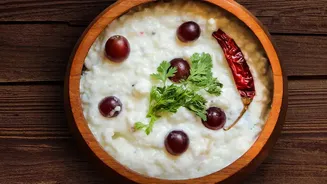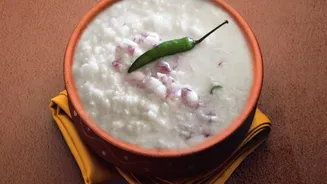



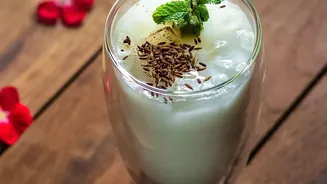

It’s a familiar winter warning in many Indian homes: ‘Don’t eat curd, you’ll catch a cold!’ This age-old advice has made us sideline one of our favourite foods for months. But is there any truth to this belief, or is it just a chilling myth?
The Scientific Reality: Viruses Cause Colds, Not Curd
Let's get
the main point out of the way first: the common cold is caused by viruses, not by the temperature of your food. There is no scientific evidence to support the idea that eating something cold, like curd, can directly cause a viral infection like a cold or cough. In fact, modern science points in the opposite direction. Curd is a probiotic powerhouse, packed with beneficial bacteria that are crucial for maintaining good gut health. Since a significant portion of our immune system resides in the gut, a healthy gut microbiome can actually strengthen your immunity and help your body fight off infections. Studies have shown that consuming fermented dairy products like curd may even help reduce the risk and duration of upper respiratory tract infections, which are common in winter. So, from a purely scientific standpoint, a bowl of dahi is more likely to help your immune system than harm it during the colder months.
The Ayurvedic Perspective: It's About Quality, Not Temperature
If science gives curd a green light, why does the traditional warning persist? The answer lies in Ayurveda, but it’s more nuanced than a simple ban. Ayurveda advises caution with curd in winter, not because it's chilled, but because of its inherent properties. In Ayurveda, curd is considered 'guru' (heavy to digest) and is known to increase 'Kapha' dosha. Winter is already a Kapha-dominant season, characterized by coldness and dampness. Consuming foods that also increase Kapha, like curd, can theoretically lead to an imbalance, which may manifest as increased mucus, congestion, or sluggishness, especially in people who are already prone to these conditions like asthma or sinus issues. Therefore, the Ayurvedic concern isn't about catching a cold virus from the curd itself, but about creating an environment in the body where such conditions might thrive if you're already susceptible. Interestingly, some Ayurvedic texts even classify curd as 'ushna' or heating in nature once digested, which is why it's sometimes recommended in winter to maintain body warmth.
So, Should You Eat Curd in Winter?
For the vast majority of healthy people, the answer is a resounding yes. The immune-boosting benefits of the probiotics, protein, and vitamins in curd are too good to pass up, especially in a season when you need extra protection. The key is not if you should eat it, but how you should eat it. The consensus from both modern nutritionists and Ayurvedic practitioners is to consume it smartly. For individuals with respiratory issues or a strong Kapha constitution, it might be wise to limit intake or be more mindful, as they may be more sensitive to the potential mucus-thickening effects. However, this is an individual response, not a universal rule. Most people can enjoy curd without any negative side effects.
The Smart Way to Enjoy Winter Curd
To get the best of both worlds—enjoying your dahi while respecting traditional wisdom—you can follow a few simple guidelines. First, avoid eating curd straight from the refrigerator. Let it sit out and come to room temperature before consumption. This simple step can reduce any potential irritation a cold food might cause to a sensitive throat. Second, timing is everything. Ayurveda strongly recommends consuming curd during the day, preferably with lunch, when your digestive fire ('agni') is at its strongest. It's best to avoid it at night, as the body's metabolism slows down and Kapha naturally increases in the evening. Finally, you can balance its 'heavy' nature by adding warming spices. A pinch of roasted cumin powder, black pepper, or a little ginger can help counteract its Kapha-aggravating properties and aid digestion, making it even more suitable for winter consumption.