





A Tale of Two Sweetnesses
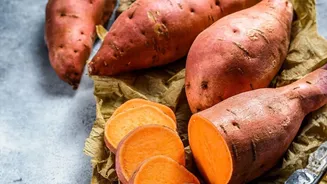
The most immediate difference lies in their sweetness. A sweet potato, as its name proudly declares, is intensely sweet with a starchy undertone. When cooked, its sugars caramelize deeply, delivering a rich, almost honeyed flavour. Butternut squash, while
also sweet, offers a more restrained and nuanced profile. Its sweetness is lighter and often described as nutty and earthy. Roasting enhances these characteristics, bringing out a caramelised flavour, but it rarely reaches the sugary intensity of a sweet potato. This difference is rooted in their composition; a cup of cooked sweet potato contains about 13 grams of sugar, while the same amount of butternut squash has only 4 grams.
Texture and Mouthfeel
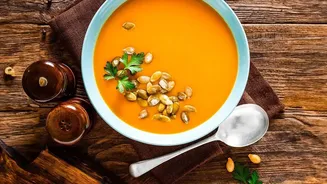
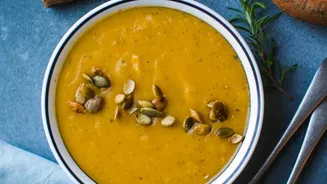
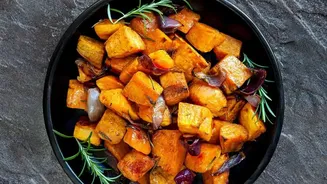
How they feel in the mouth is another major point of departure. Sweet potatoes have a denser, starchier, and sometimes more fibrous texture. When roasted, they can achieve a fluffy interior with crispy, caramelised edges, which is why they make excellent fries. Butternut squash has a higher water content, resulting in a smoother, more watery flesh that becomes exceptionally creamy when cooked. This quality makes it the undisputed champion for silky, blended soups and purées, where a sweet potato might yield a heavier, thicker result. While you can mash both, butternut squash will give you a creamier consistency, whereas sweet potato will be more substantial and dense.
Beyond the Obvious: Flavour Nuances
Beyond their primary sweet notes, each has a unique aromatic profile. Sweet potatoes carry earthy undertones that ground their intense sweetness. Different varieties can introduce other notes; some are purely sweet, while others have a richer, slightly vegetal character. Butternut squash’s flavour is more complex, with distinct nutty and buttery notes that complement its sweetness. Some palates even detect hints of toast or caramel in a well-roasted squash. Botanically, this makes sense: the sweet potato is a dense storage root from the morning glory family, while butternut squash is a fruit that grows on a vine, which contributes to its lighter, more aqueous nature.
A Quick Nutritional Snapshot
From a nutritional standpoint, both are excellent choices, but they serve different goals. Butternut squash is the winner for those watching calories and carbohydrates, containing less than half the calories of sweet potato per cup (about 82 vs. 180). Sweet potatoes, however, pack more protein and are exceptionally high in Vitamin A, providing nearly double the daily recommended value in a single cup. Both offer a nearly identical, and significant, amount of dietary fibre. For those managing blood sugar, butternut squash has a lower and more stable glycemic index, whereas a baked sweet potato can cause a more significant spike.
The Kitchen Verdict: When to Use Which
Choosing between them comes down to the role you want the ingredient to play. For dishes where you need structure and intense, sugary caramelisation—like fries, wedges, or a hearty mash—the dense, starchy sweet potato is your best bet. Its lower water content allows it to crisp up in a way butternut squash cannot. For silky soups, creamy risottos, or as a lighter, lower-carb substitute in casseroles, butternut squash is the superior choice. Its high moisture content helps it blend into a velvety purée. While they can be substituted for one another in many puréed or mashed applications, the final dish's taste and texture will be noticeably different.