





Beyond the Monolith
The era of Indian food being represented solely by Punjabi staples like butter chicken and naan is officially over. A culinary renaissance is underway, one that celebrates the subcontinent's staggering regional diversity. International diners and chefs,
tired of the generic, are now seeking authenticity and complexity. They're discovering that India’s culinary map is as varied as its geography, with each state offering a unique lexicon of ingredients, techniques, and tastes. This shift is paving the way for lesser-known regional champions, and two cuisines leading this exciting charge are from opposite ends of the country: the smoky, fiery bowls of Nagaland and the tangy, vibrant dishes of Goa.
The Fire of the Naga Hills
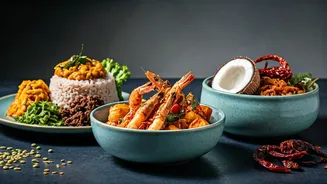
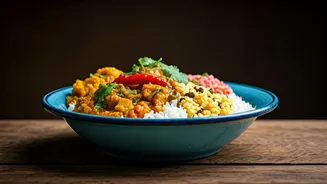
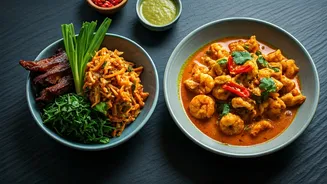
Nagaland's cuisine is a direct reflection of its rugged, hilly terrain and tribal heritage. It's primal, potent, and built on a foundation of smoking, drying, and fermenting. The star ingredient is often pork, smoked to perfection and infused with the earthy aroma of woodfire. But the real signature of Naga food is its fearless use of spice, most famously the bhut jolokia, or ghost pepper, once the world’s hottest chilli. Beyond the heat, however, lies incredible complexity. Fermented bamboo shoots and soybeans (axone) provide a pungent, umami depth that is an acquired but unforgettable taste. Served in hearty bowls with rice, boiled vegetables, and fiery chutneys, Naga food is a communal, comforting, and intensely flavourful experience that tells a story of self-sufficiency and resourcefulness.
Goa's Coastal Melody
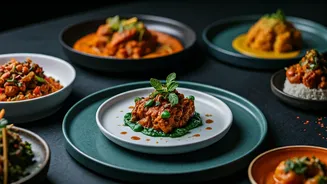
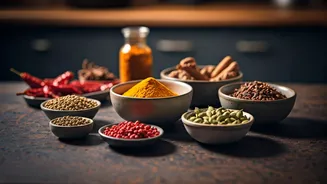
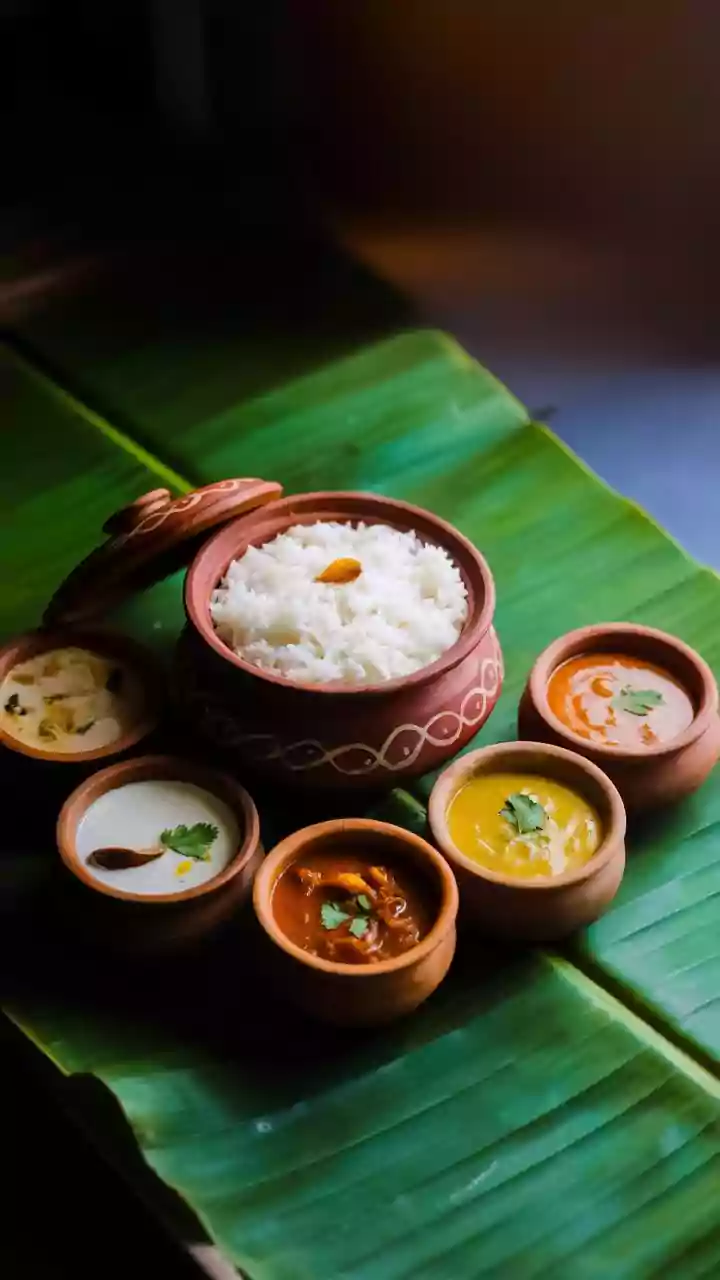
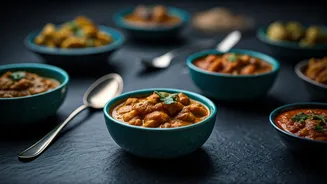
If Naga food is about earth and fire, Goan cuisine is a song of the sea and sun, deeply influenced by over 450 years of Portuguese rule. This history is deliciously evident in dishes like Vindaloo, which originated from the Portuguese 'carne de vinha d'alhos' (meat in wine and garlic) but was transformed in Goa with the addition of local chillies and spices. The Goan pantry is rich with coconut, kokum (a sour fruit), and fiery red chillies. The result is a perfect balance of spicy, sour, and sweet. From the creamy coconut-based Xacuti curry, typically made with chicken or lamb, to the tangy fish curries that are a daily staple, Goan food is vibrant, fresh, and deeply satisfying. It's a cuisine that speaks of coastal living, tropical abundance, and a unique cultural fusion.
Why Are They Trending Now?
Several factors are fueling the global rise of these regional cuisines. Firstly, the modern diner is an adventurer, actively seeking new and intense flavour profiles that go beyond the familiar. The pungency of axone and the sharpness of Goan vinegar are exactly the kind of bold tastes that excite today’s foodies. Secondly, social media has become a powerful platform for showcasing visual, authentic food stories, with chefs and home cooks from the diaspora proudly sharing their heritage. Chefs in culinary capitals like London and New York are also moving beyond pan-Indian menus, opening restaurants dedicated to specific regions, earning critical acclaim, and educating diners. This trend is less about 'discovery' by the West and more about Indian chefs confidently claiming their space and telling their own diverse stories.