




The Monsoon's Earthy Gift
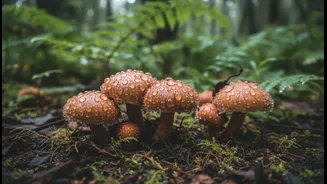
Across India, the monsoon is more than just a change in weather; it's a culinary season. As the rains soak the earth, forests and hillsides come alive with a host of wild edibles, none more prized than mushrooms. For chefs and home cooks, this period
marks a brief, exciting window to access ingredients that cannot be commercially cultivated. The arrival of these fungi is entirely dependent on nature, making them a true seasonal delicacy. Their appearance signals a time for earthy, deeply satisfying dishes that offer a taste of the wild landscape, a stark contrast to the uniformly available produce of other seasons. This annual event is a celebration of terroir, with each region yielding its own unique and much-anticipated varieties.
Beyond the Button Mushroom
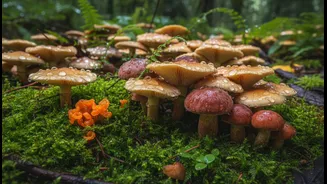
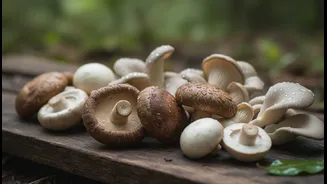
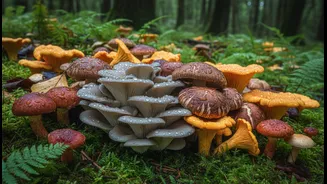
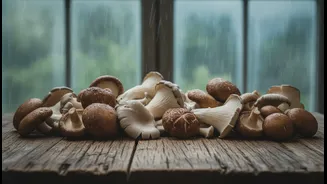
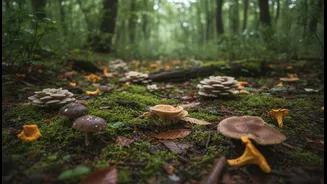
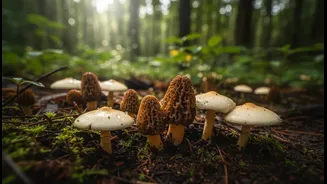
This is the season to forget the common button mushroom and explore India's incredible fungal diversity. In the Himalayan foothills, particularly Kashmir, foragers search for Gucchi, or morel mushrooms. With their distinctive honeycomb-like caps and intense, nutty flavour, Gucchi are among the world's most expensive mushrooms, often commanding prices upwards of ₹30,000 per kilogram. Down in Goa and the Konkan coast, the star is the Termitomyces mushroom, locally known as 'Olmi' or 'Alami'. These fleshy, robust mushrooms grow on termite mounds and have a devoted following for their meaty texture. Other regions boast their own treasures, from the Rugda mushroom of Jharkhand, which has a unique meat-like crunch, to the golden chanterelles of Himachal Pradesh.
From Forest Floor to Chef's Table
The journey of these mushrooms is one of skill and tradition. They are not farmed but foraged by indigenous communities and local experts who possess generations of knowledge. They know precisely where to look, what to pick, and when the time is right. This hyper-local supply chain is what makes these mushrooms so special. Chefs in urban centres and luxury hotels eagerly await deliveries from their trusted suppliers, planning entire seasonal menus around the short-lived availability of these ingredients. The limited supply and laborious harvesting process contribute to their exclusivity and high price, turning them into a true gourmet experience that diners anticipate all year.
A Celebration on the Plate
In restaurants, chefs tend to treat these prized mushrooms with reverence, creating dishes that allow their unique flavours to shine. The famed Gucchi often appears in rich, aromatic pulaos or delicate Kashmiri curries, where its earthy notes can be fully appreciated. A Gucchi Pulao, for instance, is a celebratory dish, combining the mushrooms with fragrant basmati rice and whole spices. In Goa, Olmi mushrooms are the star of regional specialities like Xacuti, a complex coconut-based curry, or a simple, delicious chilly fry. Many chefs prefer minimalist preparations—a simple stir-fry or a light grilling with a touch of garlic and herbs—to avoid overpowering the mushroom's natural, delicate taste. These dishes are a direct connection to the season, offering a taste that is both fleeting and unforgettable.
A Word of Caution for the Adventurous
While the allure of wild mushrooms is strong, it comes with a critical warning: foraging is not a task for amateurs. Many poisonous mushrooms bear a striking resemblance to edible varieties, and misidentification can be dangerous, even fatal. Always purchase wild mushrooms from reputable vendors who are experts in their trade. If you are lucky enough to source some, keep the preparation simple. Clean them gently to remove any grit, especially from the honeycomb-like crevices of morels. A quick sauté in butter or ghee with minimal spices is often all that’s needed. This approach respects the ingredient and allows you to experience the true, unadulterated flavour of India's monsoon bounty.