







From Textbooks to Trails
For generations, environmental education in India was often confined to a single chapter in a science textbook, focusing on rote memorisation of food chains and pollution types. While well-intentioned, this approach rarely fostered a genuine connection
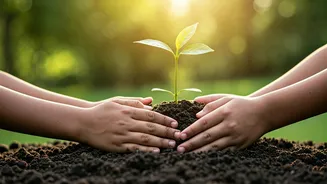
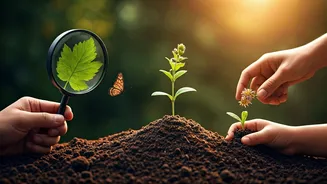
to the natural world. Today, that is changing. A burgeoning movement of educators, NGOs, and citizen groups is championing experiential learning. Instead of just reading about ecosystems, children and adults are participating in guided nature walks, learning to identify local birds, and getting their hands dirty in butterfly gardens. This hands-on approach transforms abstract concepts into tangible, memorable experiences, making conservation personal and immediate.
The Urban Green Awakening
Perhaps the most surprising part of this trend is where it’s flourishing: India's bustling cities. In places like Bengaluru, Mumbai, and Delhi, weekend birding groups are swelling with new members. Organisations like the Bombay Natural History Society (BNHS) and numerous local initiatives are organising tree walks in city parks, teaching residents to see their familiar surroundings in a new light. These urban safaris reveal a hidden world of biodiversity thriving amidst the chaos. People are discovering that they don’t need to travel to a national park to experience nature; it’s in the parakeets nesting in a building cavity, the native trees lining their street, and the insects pollinating a balcony garden. This urban focus is democratising nature, making it accessible to millions.
Technology as a Bridge, Not a Barrier
Counterintuitively, the same smartphones often blamed for disconnecting us from reality are becoming powerful tools for nature education. Mobile apps like eBird and iNaturalist are turning ordinary citizens into valuable data collectors. By simply taking a photo of a bird or a plant, anyone can contribute to global biodiversity databases. These platforms not only help with identification but also connect users with a community of fellow enthusiasts and experts. Social media groups dedicated to Indian flora and fauna have become vibrant hubs for sharing sightings, asking questions, and organising local events. Technology is lowering the barrier to entry, empowering a new generation of self-taught naturalists.
Catching Them Young
The long-term success of any environmental movement depends on the next generation. Recognising this, many initiatives are specifically targeting schools and young children. Programmes like WWF-India’s Ek Prithvi bring conservation education directly into classrooms, using interactive modules and activities to engage students. Other organisations set up 'nature clubs' in schools, encouraging projects like campus biodiversity audits and waste management drives. By fostering a sense of wonder and responsibility at a young age, these programmes are cultivating future environmental stewards who will carry the torch of conservation forward. This is not just about creating future ecologists, but about raising a generation of citizens who value their natural heritage.
Why This Matters Now More Than Ever
This growing interest in nature education isn’t just a feel-good trend; it’s a critical development for India. As the country faces mounting environmental challenges like climate change, water scarcity, and habitat loss, a well-informed and engaged citizenry is our best line of defence. People who feel a personal connection to their local environment are more likely to advocate for its protection, whether it’s opposing the felling of a neighbourhood tree or supporting policies for cleaner rivers. Furthermore, in an age of rising stress and digital fatigue, connecting with nature offers proven benefits for mental and physical well-being. This movement is nurturing not just healthier ecosystems, but healthier people.