


The Rise of the Vegetarian Baker
The home baking scene in India has exploded in recent years, fueled by social media, online tutorials, and a desire for healthier, homemade options. This boom, which gained significant momentum during the pandemic lockdowns, has transformed kitchens into
creative laboratories. A fascinating trend has emerged from this movement: the widespread adaptation of global dessert recipes to be vegetarian. What was once a niche market is now a mainstream phenomenon, with a growing number of home bakers building entire businesses on platforms like Instagram and WhatsApp, catering to a clientele that wants world-class treats without compromising their dietary choices.
More Than Just A Diet
To understand this trend, one must look at India's cultural and social fabric. With a significant portion of the population being vegetarian for religious or ethical reasons, eggs are often off the menu. Many Hindu traditions, for instance, consider eggs non-vegetarian. This preference becomes especially important during festivals, religious ceremonies, and family celebrations, where inclusivity is key. No host wants a guest to turn down a slice of birthday cake. By making desserts eggless, bakers ensure that everyone can partake in the celebration, blending culinary trends with deep-seated cultural values. This isn't just about removing an ingredient; it's about adding community.
The Science of Substitution
Making a delicate pastry without eggs or setting a cheesecake without gelatin is no simple task. It requires skill, creativity, and a bit of food science. Indian home bakers have become masters of substitution, moving beyond simple swaps to truly re-engineer recipes. For eggs, which typically provide structure, leavening, and richness, the alternatives are varied. Yogurt, condensed milk, and pureed fruits like bananas are popular choices for adding moisture and binding. For lighter textures, bakers turn to aquafaba (the brine from chickpeas) or a 'flax egg' (ground flaxseed mixed with water). To replace gelatin, a gelling agent derived from animals, agar-agar, a plant-based alternative derived from seaweed, is the go-to ingredient, creating perfectly set pannacottas and cheesecakes that are completely vegetarian.
Global Desserts, Desi Twist
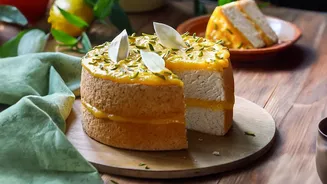
The results of this ingenuity are stunning. Classic Italian tiramisu is reimagined with an eggless zabaglione-style cream. The notoriously tricky French macaron, which relies heavily on egg whites, is being conquered with aquafaba, resulting in crisp shells and chewy centers. Rich, dense chocolate lava cakes flow perfectly without a single egg, and delicate Basque cheesecakes get their signature creamy texture from clever combinations of dairy and setting agents. It's a testament to the bakers' skills that these vegetarian versions are not seen as compromises. In many cases, they are celebrated for their unique textures and clean flavours, proving that tradition and innovation can create something truly special.
From Kitchens to Commerce
This trend has also empowered a new wave of entrepreneurs. Many home bakers who started out sharing their creations on social media have successfully turned their passion into profitable businesses. They cater to a specific, and large, market that was previously underserved by commercial bakeries that often relied on traditional, egg-based recipes. These home-based businesses offer customisation, freshness, and a personal touch that resonates with customers. The rise of the vegetarian baker is not just changing what's on the dessert table; it's creating new economic opportunities and fostering a vibrant community built around a shared love for inclusive, delicious food.