






Understand the Dangers
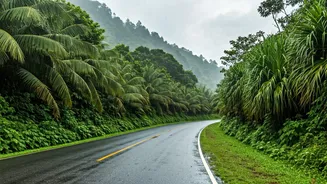
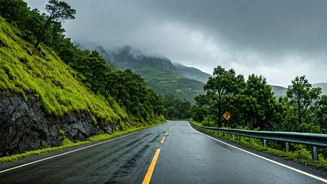
Travelling in the Ghats during a heavy rain alert is more than just dealing with a downpour. The region's steep slopes and soil composition make it highly susceptible to landslides, especially after intense rainfall. Unregulated construction and deforestation
have increased this vulnerability over the years. The primary risks include sudden landslides that can block roads for hours or days, flash floods in low-lying areas, and extremely poor visibility due to thick fog and heavy rain, which makes driving treacherous. Waterlogged roads can hide deep potholes and other hazards, and small streams can quickly turn into raging torrents. Being aware of these specific dangers is the first step toward a safer journey.
Pre-Travel Preparation is Key
Before you even start the engine, a thorough check is non-negotiable. First, monitor weather forecasts from the India Meteorological Department (IMD) for your specific route and destination. Red and orange alerts for districts in Maharashtra, Karnataka, and Tamil Nadu should be taken seriously. Second, get your vehicle monsoon-ready. This means checking your tyres for good grip, ensuring your wipers are functioning perfectly, and testing your headlights, fog lamps, and brakes. Inform a friend or family member about your exact travel itinerary, including the route you plan to take and your estimated time of arrival. Finally, plan to travel only during daylight hours, as visibility drops dangerously after dark.
Safe On-Road Practices
Once on the road, your driving style must adapt to the conditions. Maintain a slow and steady speed, leaving ample distance between your vehicle and the one ahead. On winding ghat roads, resist the urge to overtake on blind corners, especially in the fog. Use your headlights or fog lamps even during the day to improve your visibility to others. If you encounter a waterlogged patch, do not attempt to drive through it unless you are certain of its depth; it's often better to wait or find an alternative route. Be vigilant for any signs of a potential landslide, such as trickles of mud, falling rocks, or newly cracked ground on the slopes above you. If you spot these, do not stop; move past the area as quickly and safely as possible.
Build Your Monsoon Emergency Kit
An emergency kit can be a lifesaver if you get stranded. Your kit should be waterproof and easily accessible. Essential items include a powerful torch with extra batteries, a fully charged power bank for your mobile phone, and a comprehensive first-aid kit. Pack high-energy dry food like biscuits and nuts, along with several bottles of clean drinking water. It is also wise to include a sturdy rope, a whistle to signal for help, and waterproof sheets or bags to protect your electronics and important documents. Having these items on hand can make a long wait in a traffic jam due to a landslide much more manageable.
Heed Official Warnings and Helplines
Always follow the instructions of local police and disaster management authorities. They have the most current information about road closures and hazardous zones. If a road is blocked, do not attempt to find risky 'shortcuts' that Google Maps might suggest, as these are often unpaved and more dangerous. If you find yourself in an emergency, India has a single national emergency number, 112, which can connect you to police, fire, or ambulance services. It's also a good idea to save the national tourist helpline (1363) and the highway emergency number (1033) on your phone before you leave. Staying calm and contacting the right authorities is the smartest thing you can do when faced with an unexpected situation.