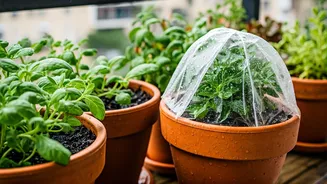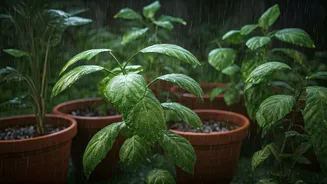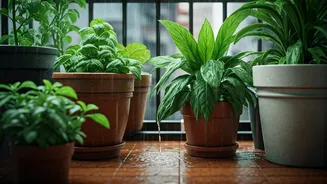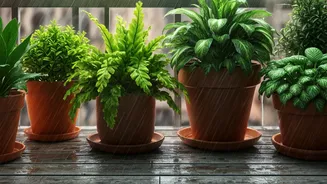


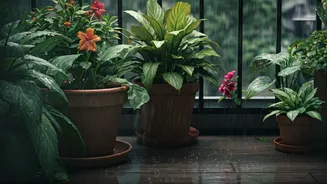


Prioritise Perfect Drainage
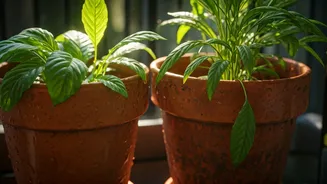
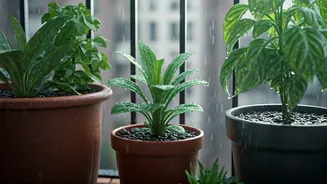
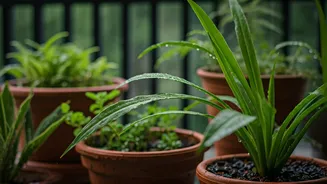
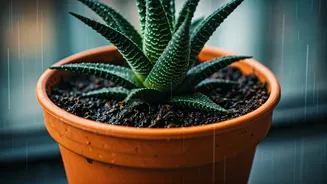
The number one enemy during monsoon is waterlogging. When roots sit in stagnant water, they can't breathe, leading to root rot. Before the heavy showers begin, check every pot to ensure drainage holes are clear and unobstructed. A simple but effective
trick is to elevate your pots. Placing them on bricks, wooden blocks, or terracotta 'pot feet' creates a small gap that allows excess water to escape freely. If you use saucers or trays, make sure to empty them promptly after every downpour so your plants aren't left standing in water.
Rethink Your Soil Mix
Heavy, clay-based soil is a nightmare during the rains as it retains too much water. The ideal monsoon potting mix is light, airy, and well-draining. Before the season starts, consider repotting your plants in a mix that includes coarse sand, cocopeat, or perlite. These materials improve the soil structure, preventing it from becoming a dense, soggy mass. A good ratio for a monsoon-friendly mix is around 40% cocopeat, 30% compost for nutrients, and 30% perlite or sand to ensure water drains through quickly.
Adjust Your Watering Schedule
It may seem counterintuitive, but you still need to monitor your watering schedule during the rains. Don't assume the daily showers are providing the right amount of moisture. Sometimes, the rain might not be heavy enough to penetrate the soil, while at other times, it's far too much. The golden rule is to always check the soil before watering. Poke your finger about two inches into the soil; if it feels damp, hold off on watering. Overwatering is a more significant risk than underwatering during this humid season.
Provide Shelter from Wind and Rain
Monsoon storms often bring strong winds that can topple pots and damage delicate stems. If possible, move smaller or more fragile plants to a sheltered part of your balcony, away from the direct path of wind and heavy, slanting rain. For larger pots that are difficult to move, consider grouping them. Placing taller, sturdier plants in front of more delicate ones can create a natural windbreak. Some gardeners even install temporary shields like netting or waterproof curtains to block the harshest gusts.
Guard Against Pests and Fungi
The high humidity and constant moisture of the monsoon create a perfect breeding ground for fungal diseases and pests. Powdery mildew, leaf spot, and root rot are common issues. To combat this, ensure there is good air circulation between your plants by not overcrowding them. Regularly inspect leaves for any signs of trouble, like white powdery coatings or dark spots. A preventive spray of neem oil solution every 10-15 days can be highly effective at keeping both pests and fungal infections at bay.
Prune and Tidy Up
A little bit of housekeeping goes a long way. Before the heaviest rains set in, prune your plants by trimming away any dead or weak branches and yellowing leaves. This not only makes the plant stronger against winds but also improves air circulation, which helps prevent fungal growth. Regularly remove any fallen leaves or flowers from the soil surface, as this decaying organic matter can encourage diseases and pests. Hold back on using a lot of fertiliser during this period; since plants are often stressed, they can't absorb excess nutrients effectively.