



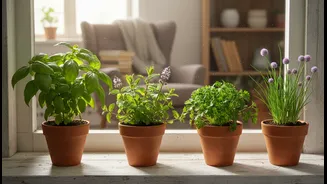


1. Mighty Mint (Pudina)
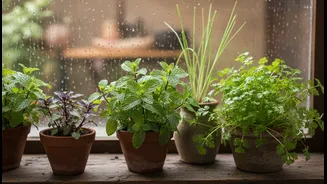
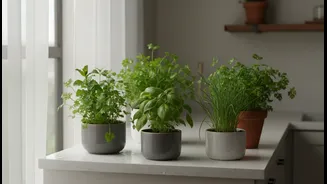
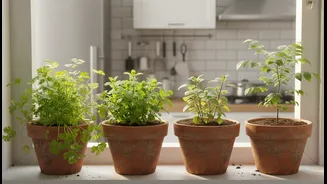
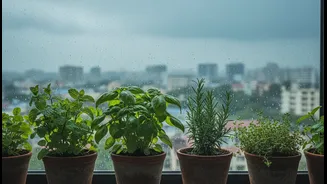
Mint is a famously resilient and fast-spreading herb, making it perfect for beginners. Its love for moisture means it adapts well to the high humidity of the rainy season. While it enjoys sunlight, it can tolerate the partial shade and indirect light common
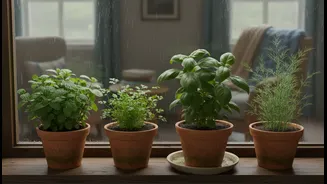
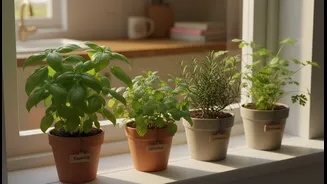
on monsoon days, making it an ideal windowsill candidate. For best results, plant mint cuttings in a wide pot to give their runners space to spread. Use a well-draining potting mix, combining soil with cocopeat and compost, to prevent waterlogging. The most critical monsoon task is to avoid overwatering; check that the top inch of soil is dry before adding more water. Place your pot on an east-facing windowsill for gentle morning sun and rotate it every few days for even growth. Harvest leaves regularly by pinching off the tops to encourage a bushier, fuller plant.
2. Classic Coriander (Dhania)
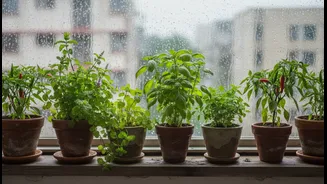
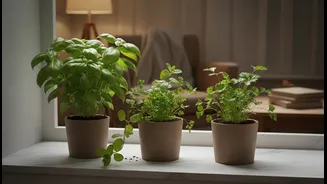
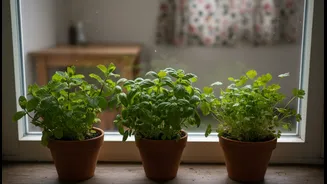
No Indian kitchen is complete without fresh coriander, and the good news is that it flourishes during the monsoon's cooler temperatures and moist air. The cloudy skies provide the gentle, filtered sunlight that coriander prefers, preventing it from bolting (flowering prematurely), which can happen in intense summer heat. To start, lightly crush whole coriander seeds to split them, then soak them overnight to speed up germination. Sow them in a pot with excellent drainage, using a light potting mix of soil, sand, and compost to prevent root rot. Coriander needs about four to six hours of indirect sunlight, so a bright windowsill is perfect. Be cautious with watering; the monsoon air is already humid, so only water when the soil feels dry to the touch. For a continuous supply all season, sow a new batch of seeds every two to three weeks.
3. Holy Basil (Tulsi)
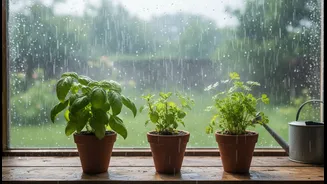
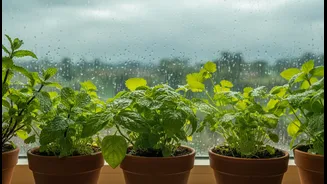
Tulsi is a staple in many Indian homes for its sacred and medicinal properties, but it requires some specific care during the monsoon. While it loves sunlight, it's susceptible to root decay from overwatering, a major risk during the rainy season. The key is a well-draining soil mix and a pot with drainage holes. Mixing loamy soil with cocopeat is an effective combination. Place your Tulsi plant on a windowsill where it can receive at least four to five hours of sunlight daily; morning sun is ideal. During prolonged downpours, you might even consider moving the pot to a more sheltered spot to prevent it from getting waterlogged. Always check if the top layer of soil is dry before watering. Pruning is also essential—pinch off the flowering buds as they appear to encourage the plant to grow bushier and produce more lush leaves.
4. Fragrant Lemongrass
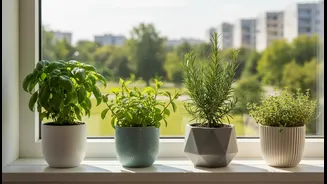
Lemongrass thrives in the exact conditions the monsoon provides: warmth and humidity. This fragrant herb is not only a fantastic addition to teas and Asian cuisine but also acts as a natural insect repellent. While it is a sun-loving plant, it can grow well indoors on a sunny windowsill that gets at least four to six hours of light per day. The easiest way to start is by rooting fresh stalks from the market in a glass of water. Once roots develop, plant the stalk in a deep pot with a well-draining soil mix made of garden soil, compost, and sand. Lemongrass prefers consistently moist but not soggy soil, so proper drainage is crucial to prevent root damage, especially during the humid monsoon. Position it near your brightest window and enjoy its refreshing, citrusy aroma filling your home.