






What Exactly Is Fungal Acne?
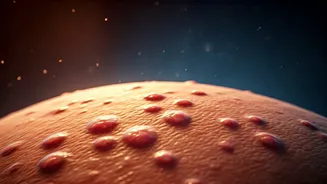
Despite its name, fungal acne isn't actually acne. [7] Medically known as Malassezia folliculitis or Pityrosporum folliculitis, it's an infection of the hair follicles caused by an overgrowth of a yeast called Malassezia. [2, 3] This yeast naturally lives
on everyone's skin, coexisting with bacteria and other microorganisms. [1] However, when certain conditions cause this yeast to multiply excessively, it can invade the hair follicles, leading to inflammation and a breakout of small, rash-like bumps. [1, 3] Unlike bacterial acne, which involves clogged pores, oil, and bacteria, fungal acne is a yeast-driven issue. This is a crucial distinction, as treatments for the two conditions are very different. [18]
Why Does It Flare Up During Monsoon?
The Indian monsoon creates the perfect storm for Malassezia to thrive: warmth, moisture, and oil. [4, 21] The high humidity in the air means that sweat doesn't evaporate easily from your skin, creating a constantly damp environment. [14, 23] This trapped moisture, combined with the body's natural oils (sebum), becomes a feast for the yeast, causing it to proliferate rapidly. [5, 23] Wearing tight, synthetic fabrics like polyester or nylon can make things worse by trapping heat and sweat against the skin. [5, 15] Even staying in sweaty gym clothes for too long after a workout can trigger a flare-up. [7] This is why many people notice these itchy bumps appearing on their chest, back, shoulders, and forehead specifically during the rainy season. [20, 26]
How To Tell It Apart From Regular Acne
Misdiagnosing fungal acne is common because it looks like a regular breakout at first glance. [14] However, there are key differences. The biggest clue is the sensation: fungal acne is often very itchy, a symptom rarely associated with typical bacterial acne. [2, 13, 18] Visually, fungal acne appears as clusters of small, uniform bumps, all roughly the same size (about 1-2mm). [6, 18] In contrast, bacterial acne (acne vulgaris) presents as a mix of lesions of different sizes, such as blackheads, whiteheads, and painful pustules or cysts. [13, 17] Fungal acne commonly appears on the chest, upper back, shoulders, and forehead, whereas bacterial acne is often scattered across the face. [17, 20] Furthermore, if your breakout doesn't improve or even worsens with standard acne treatments like benzoyl peroxide or antibiotics, it's a strong sign you might be dealing with a fungal issue. [4, 13]
The Right Way To Treat It
Since fungal acne is caused by yeast, it requires antifungal treatments. [17] Many standard anti-acne products can disrupt the skin's balance and make the problem worse. [1] The most accessible and effective treatments are often found in the anti-dandruff aisle. Shampoos containing ingredients like ketoconazole, selenium sulfide, or zinc pyrithione can be used as a face or body wash. [8, 22] Lather the product on the affected areas, leave it on for about five minutes to allow the antifungal agent to work, and then rinse it off. [22] For more persistent cases, a dermatologist might prescribe topical antifungal creams like clotrimazole or miconazole, or even oral antifungal medications like fluconazole or itraconazole for widespread or stubborn infections. [2, 4, 10]
Prevention Is The Best Strategy
Managing fungal acne during the monsoon is all about controlling the environment on your skin. Start by choosing your clothing wisely; opt for loose, breathable fabrics like cotton and linen to allow for better air circulation. [5, 15] Make it a rule to shower as soon as possible after sweating or working out. [1] When it comes to skincare, switch to lighter, gel-based, or water-based products that won't trap moisture. [16] Avoid heavy, oily creams that can feed the yeast. [10] You can also use antifungal powders on sweat-prone areas to help keep them dry. [16] Simple hygiene changes, like washing your face twice daily with a gentle cleanser and changing your pillowcase frequently, can also make a significant difference in keeping the yeast overgrowth in check. [12, 14]